Disclaimer for Podcasts and YouTube Channels: Sponsorships, Opinions, and Guest Content
The sponsored-content, personal-opinion, and guest-liability disclaimer language a podcast or YouTube channel needs, distinct from a written blog's disclaimer.
The third-party-data-accuracy and no-brokerage-relationship language a property listing aggregator needs, distinct from an individual agent's disclaimer.
The high-risk-asset and 'not investment advice' language a crypto or trading-education creator's financial disclaimer needs beyond a standard investment blog's.
The injury-liability and 'consult a physician first' language a fitness coach's medical disclaimer needs, distinct from a general health-content disclaimer.
The exact FTC disclosure language, placement, and timing an affiliate disclaimer needs for Amazon Associates and other affiliate links to stay compliant.
The FTC-required 'results not typical' language and testimonial-disclosure rules coaches and course creators need before publishing client success stories.
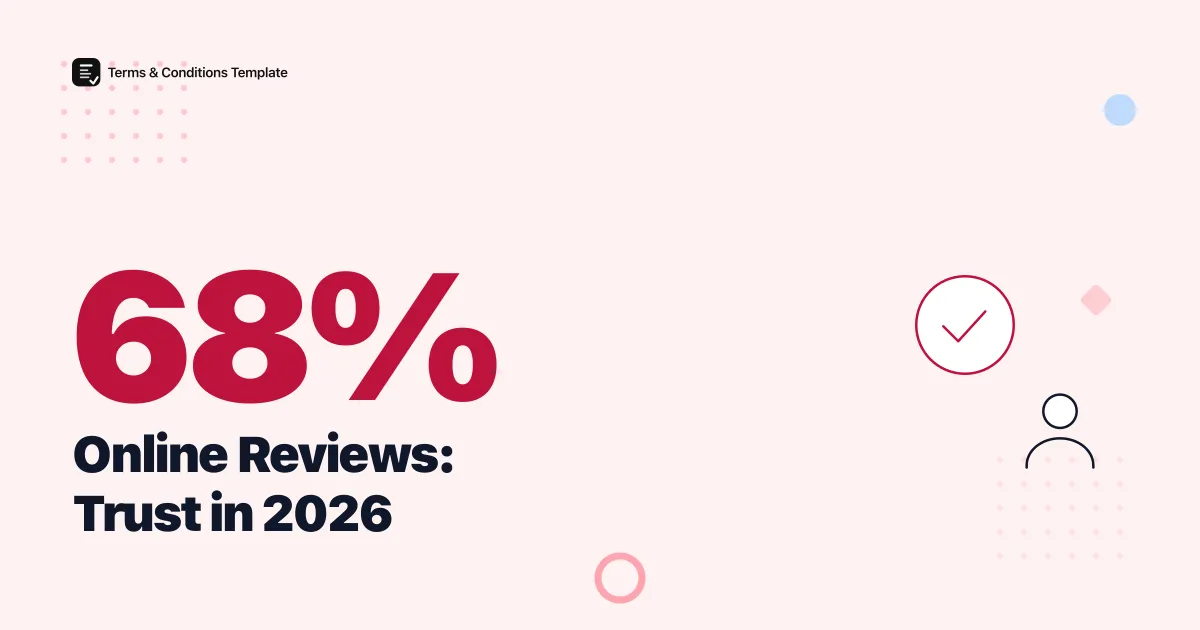
68% of consumers will not choose a business rated below 4 stars, up from 55% a year earlier, according to BrightLocal's Local Consumer Review Survey (February 2026, n=1,002 US adults). See the 2026 data on review trust, star-rating thresholds, and how negative and fake reviews shape buying decisions.
US brands spent an estimated $37 billion on creator and sponsored content advertising in 2025, up 26% year over year, per IAB's November 2025 Creator Economy Ad Spend and Strategy Report. Here is what that spend collides with: a $53,088 maximum FTC penalty per undisclosed post and a consumer base that says non-disclosure costs trust.
When a website or blog needs an AI-authorship notice, what an accuracy-liability disclaimer should say, and how FTC guidance and new state and EU rules treat AI-content disclosure.
Amazon's top standard Associates commission rate has fallen to 10% in 2026, per Amazon's own live rate table, down from a 20% ceiling in past years. See how 7 major affiliate programs compare on commission rates, cookie windows, and network size.
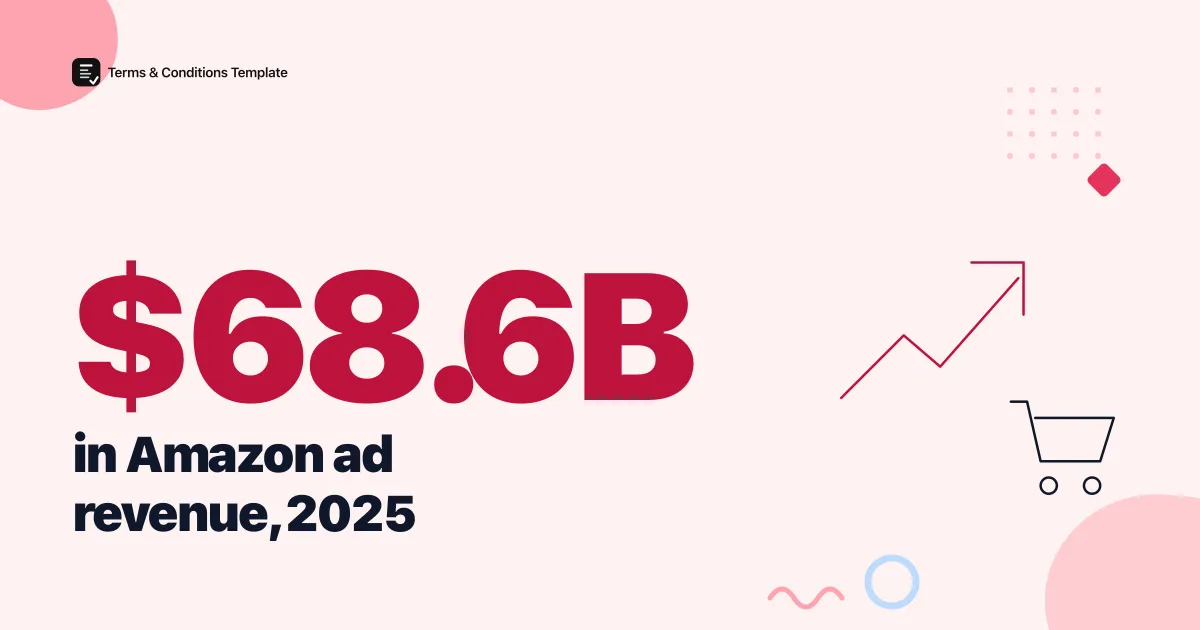
Amazon's advertising business generated $68.6 billion in 2025, up 22.1% year over year and now 9.6% of total company revenue, according to Amazon's own quarterly SEC filings. See the 2026 data on ad spend, retail media market share, and seller disclosure rules.
An estimated 614 million websites run on WordPress in 2026, calculated from Netcraft's 1.49 billion total-site count (June 2026) and W3Techs' 41.2% WordPress market share (July 2026). See the 2026 data on blog counts, publishing volume, and why no tracker publishes one official number.
Up to 15% of online reviews are fake, according to UK government-commissioned research published in April 2023 that audited 2.1 million reviews across nine e-commerce platforms. See the 2026 data on prevalence, platform enforcement, and FTC penalties.
A disclaimer limits liability for your content and advice, while Terms and Conditions govern user conduct, IP, and account termination. Here is when a site needs both.
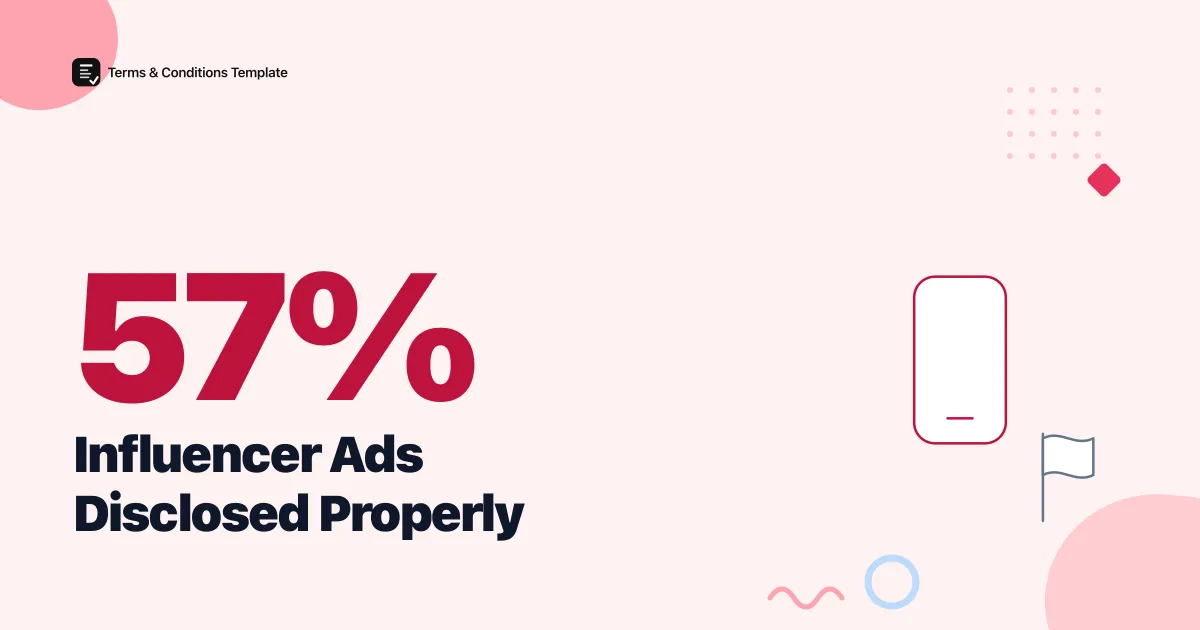
57% of UK influencer ads on Instagram and TikTok met disclosure rules in 2024, per the ASA and CMA's monitoring report published in May 2025. See the 2026 data on disclosure compliance by platform, region, and content category.
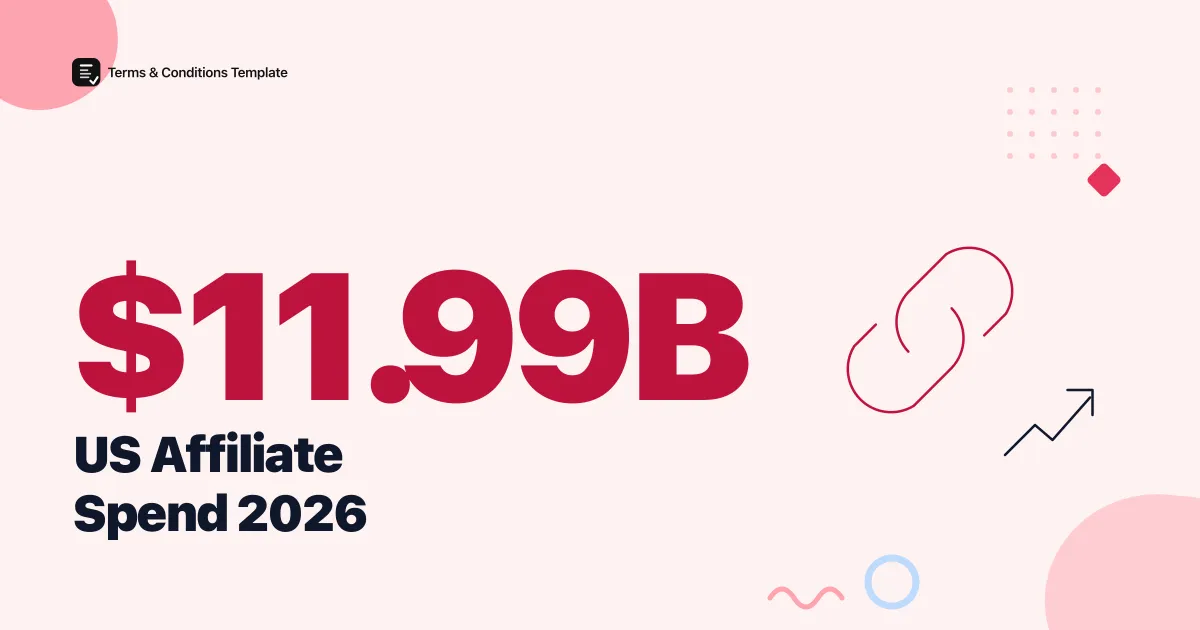
US affiliate marketing spending crossed $10 billion for the first time in 2025, reaching an estimated $11.99 billion, according to Statista. See the 2026 data on market size, affiliate earnings, commission rates, and disclosure rules.
96% of sponsored influencer posts in a 100M-post Twitter study carried no disclosure, per peer-reviewed research published in Marketing Science. See the 2026 data on disclosure rates, FTC enforcement, and what actually changes behavior.
Learn what a website disclaimer is, the different types (affiliate, medical, legal, general), and when your website legally needs one.