Acceptable Use Policy for a Developer API Platform
The rate-limit, scraping-prohibition, and API-key-revocation language an acceptable use policy needs for a platform serving third-party developers.

The Terms and Conditions Template team is a small group of legal researchers, compliance writers, and engineers building document generators for online businesses. The site was founded by Vikas Thakur to give small businesses and solo founders the same quality of legal documentation that larger companies pay lawyers for, without the hourly rate.
Our content splits the same way our product does: research into how ecommerce, SaaS, and consumer-protection law actually applies to online businesses, plain-language guides that translate that research into a decision a founder can act on, and generators that turn that decision into a document ready to publish.
Our statistics content is built from named primary research, platform data, and regulator reports, cited by name and year rather than repeated secondhand from another blog, and refreshed regularly so the numbers stay current instead of quietly going stale.
If you spot something that needs updating, a law that has changed, or a generator missing a document type you need, get in touch and let us know.
The rate-limit, scraping-prohibition, and API-key-revocation language an acceptable use policy needs for a platform serving third-party developers.
What an accessibility statement should say for a native mobile app under current ADA Title III guidance, and how it differs from a website's WCAG statement.
What a SaaS product's accessibility statement should say about WCAG 2.2 conformance for logged-in dashboard screens, not just the public marketing site.
How to write an accessibility statement for an ecommerce site, with the WCAG 2.1/2.2 checkout-flow criteria that matter most for cart, forms, and payment, and why retail is the most ADA-lawsuit-prone category online.
Only 35% of iOS users opted in to app tracking in 2025, per Adjust's ATT benchmark data, while the average website still loads trackers from 5 companies per page (Ghostery WhoTracks.me). See 2026 ad tracking data on methods, reach, and decline.
29.5% of internet users worldwide, an estimated 1.77 billion people, used an ad blocker at least sometimes as of Q2 2025, per GWI data cited by DataReportal. See ad blocker usage rates by country for 2026, from Indonesia's 40.1% to Japan's 15.8%.
Affiliate links convert at just 0.5% to 1% on average, according to Awin, even as US affiliate marketing spend is set to hit $13.81 billion in 2026, per eMarketer. See 2026 data on click-through rates, conversion rates, commission rates, and industry spend.
US affiliate marketing spending crossed $10 billion for the first time in 2025, reaching an estimated $11.99 billion, according to Statista. See the 2026 data on market size, affiliate earnings, commission rates, and disclosure rules.
Enterprise AI deployment spending reached an annualized $176.8 billion by September 2026, up 5.4x from $33 billion a year earlier, according to Menlo Ventures' 2026 State of Enterprise AI report. See the 2026 data on AI apps, SaaS budgets, and SaaS pricing benchmarks.
Airbnb's 2025 annual report shows 533 million nights and seats booked, $91.3 billion in gross booking value and $12.2 billion in revenue. See the regional split, the fee model, and the Terms of Service every host and guest accepts.
Aptoide, the largest alternative app marketplace, reports more than 430 million users and over 1 million apps across platforms in 2026. See the full market data on alternative app stores, including EU Digital Markets Act marketplaces on iOS.
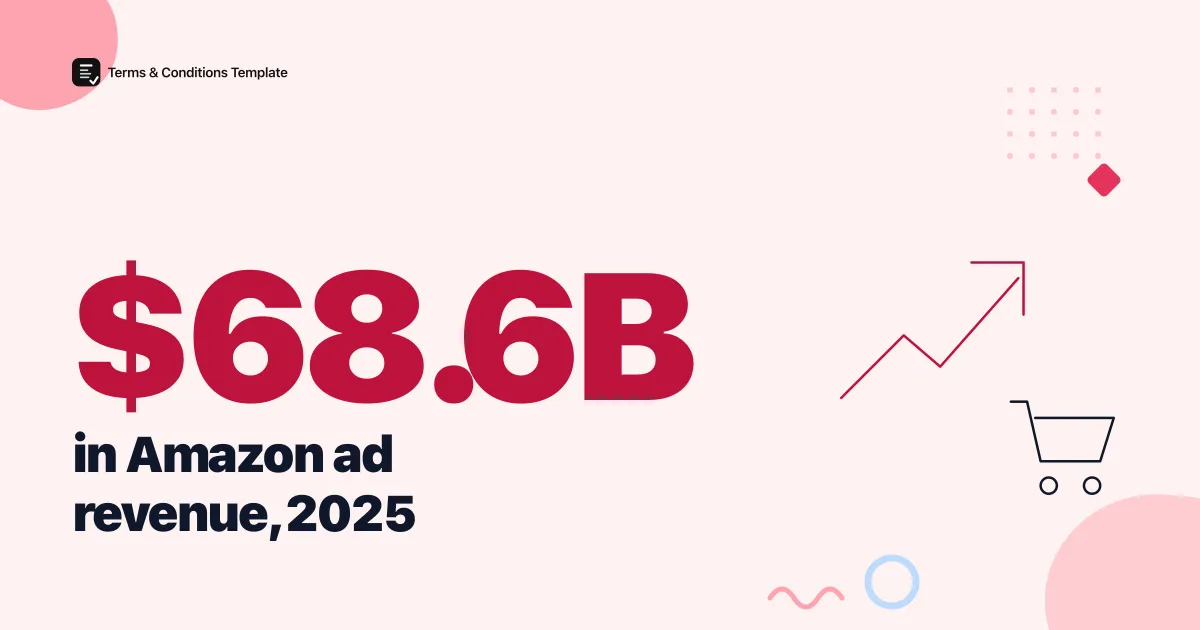
Amazon's advertising business generated $68.6 billion in 2025, up 22.1% year over year and now 9.6% of total company revenue, according to Amazon's own quarterly SEC filings. See the 2026 data on ad spend, retail media market share, and seller disclosure rules.
Amazon quietly cut some Amazon Associates commission rates by up to 50% starting in 2026, with premium categories falling from roughly 10% to 4-5%, per Adweek reporting confirmed by eMarketer and others. See the current rate table and what changed.
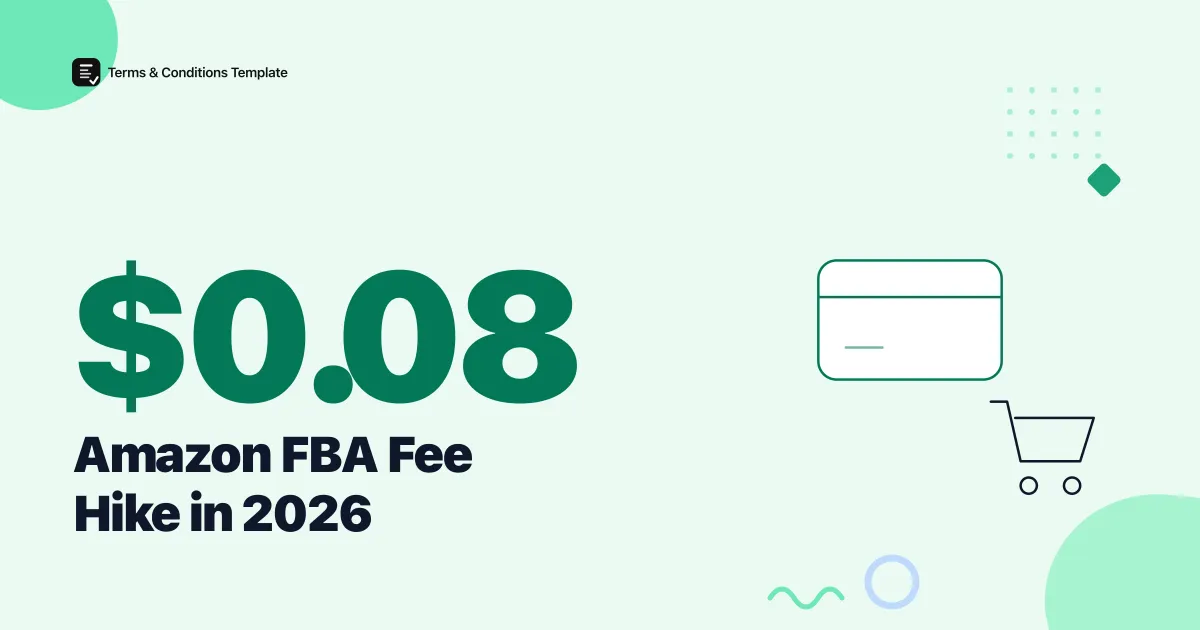
Amazon raised FBA fulfillment fees by an average of $0.08 per unit starting January 15, 2026, its first increase since a full-year freeze in 2025. See the 2026 data on FBA sellers, fees, and sales.
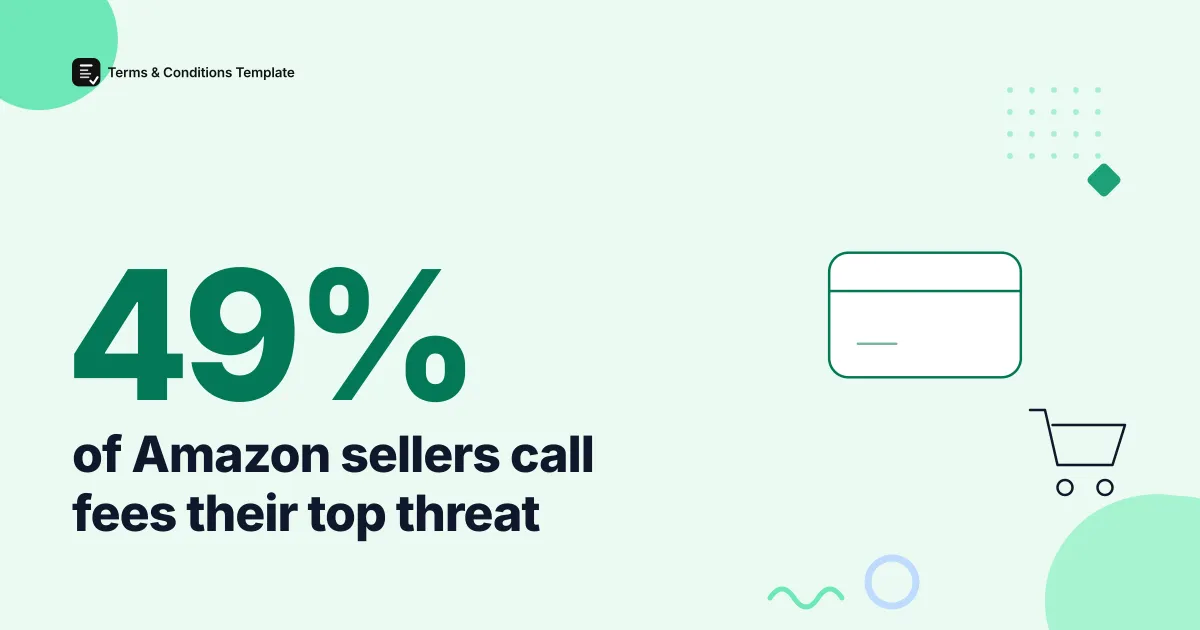
49% of Amazon sellers name marketplace fees as their top margin concern, according to Marketplace Pulse's 2026 Seller Index of 181 sellers representing over $2 billion in revenue. See referral, FBA, and returns fee data for 2026.
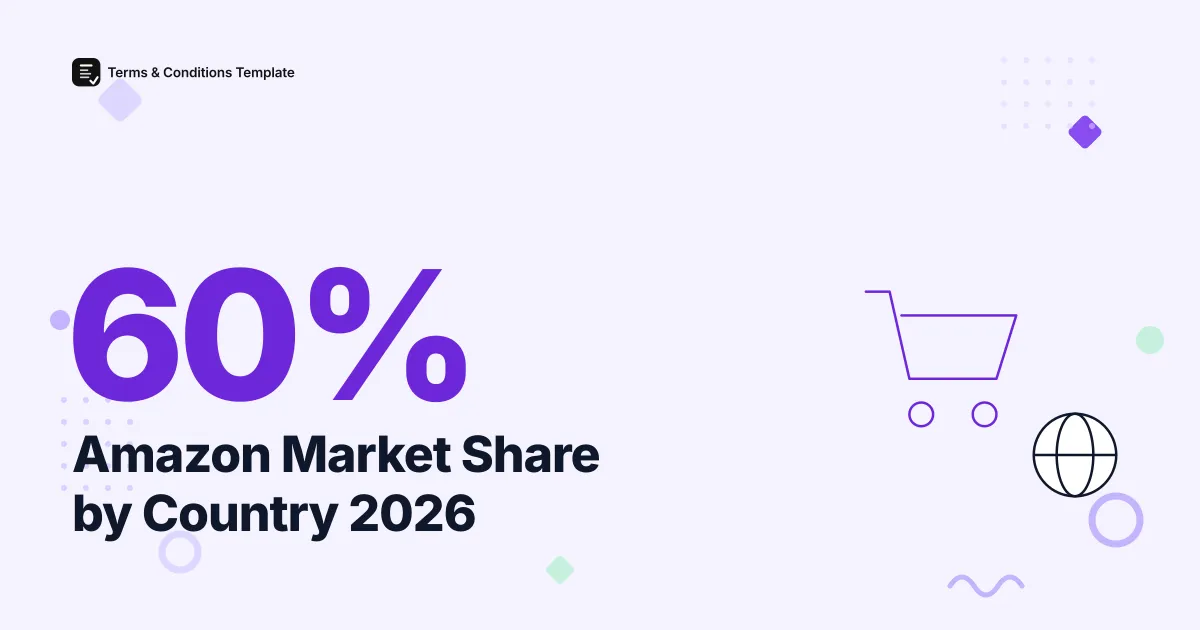
Amazon controls 60% of online retail sales in Germany, per the Bundeskartellamt, and 35.7% of the US ecommerce market, per Marketplace Pulse. See Amazon's market share by country for 2026, from Germany to Japan to India.
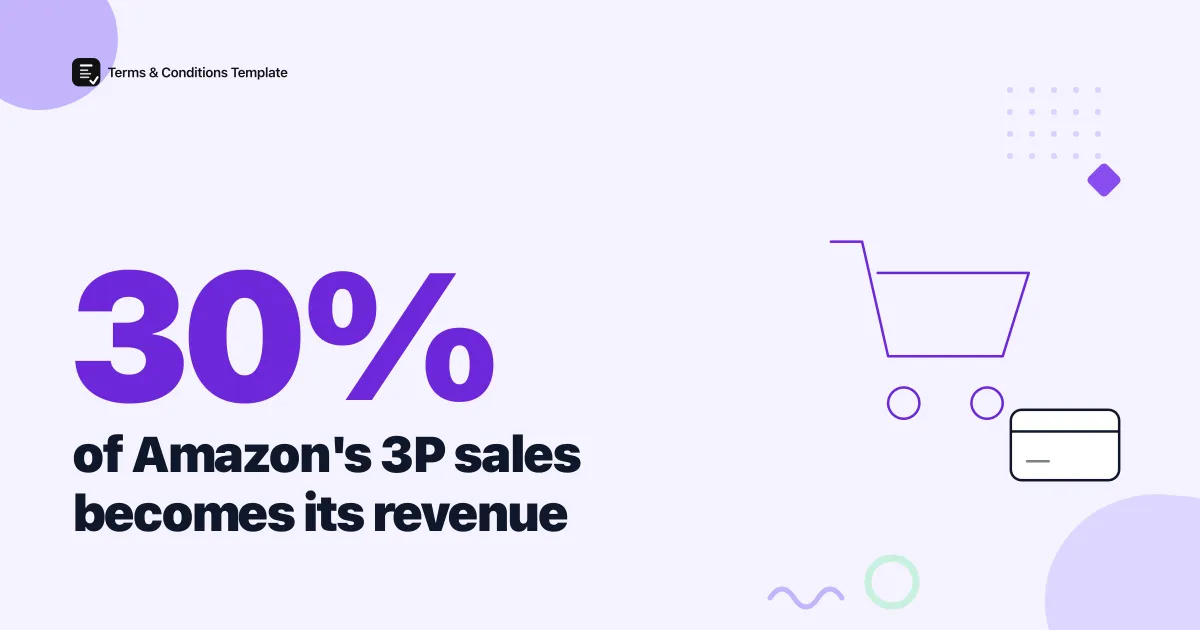
Amazon collected an estimated 30% of every dollar sold through its third-party marketplace in 2025, weighing its disclosed $172.2 billion seller-services revenue against Marketplace Pulse's third-party GMV estimate. See the 2026 data on Amazon's marketplace revenue mix and the 1P vs 3P split.
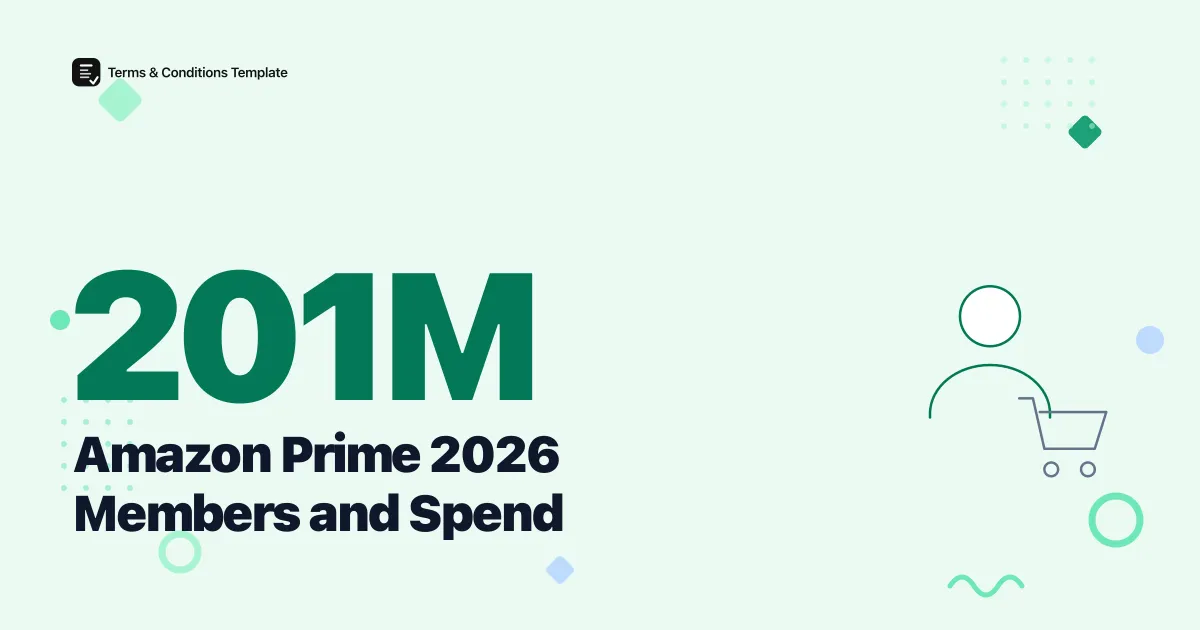
Amazon Prime reached 201 million US members in the December 2025 quarter, per Consumer Intelligence Research Partners survey data, with members spending more than double what non-Prime shoppers spend. Here is the 2026 data on Prime membership, spend, and Prime Day sales.
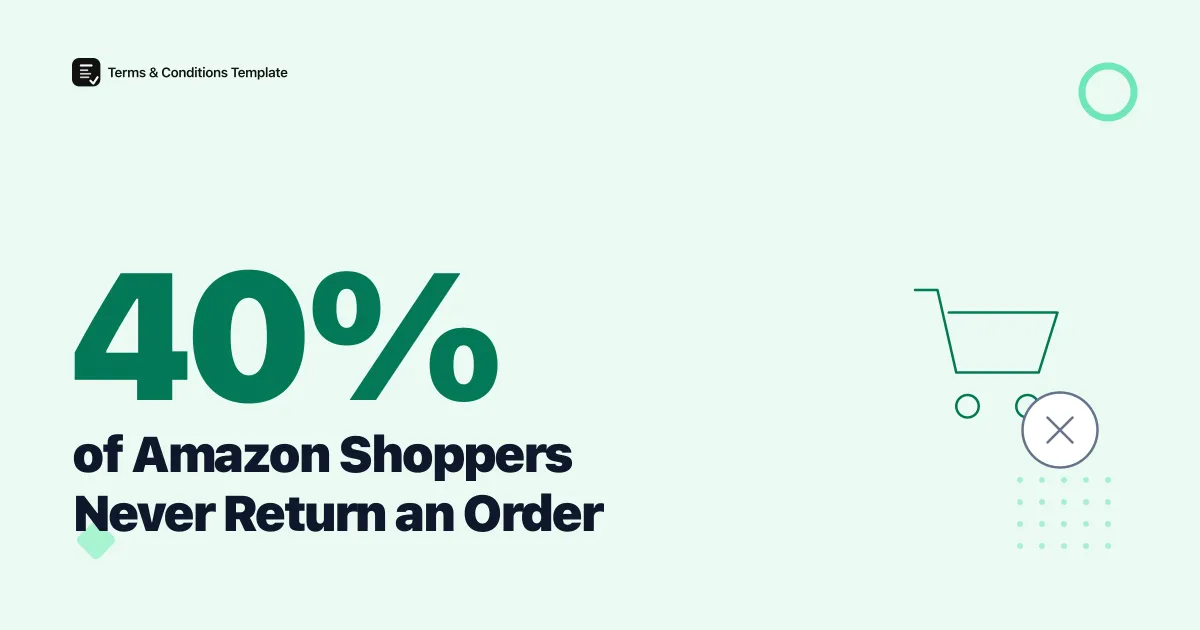
40% of US Amazon shoppers say they have never returned a purchase, and only about a third returned something in the prior six months, according to Consumer Intelligence Research Partners survey data. See the 2026 data on Amazon's return window, restocking fees, and recent policy changes.
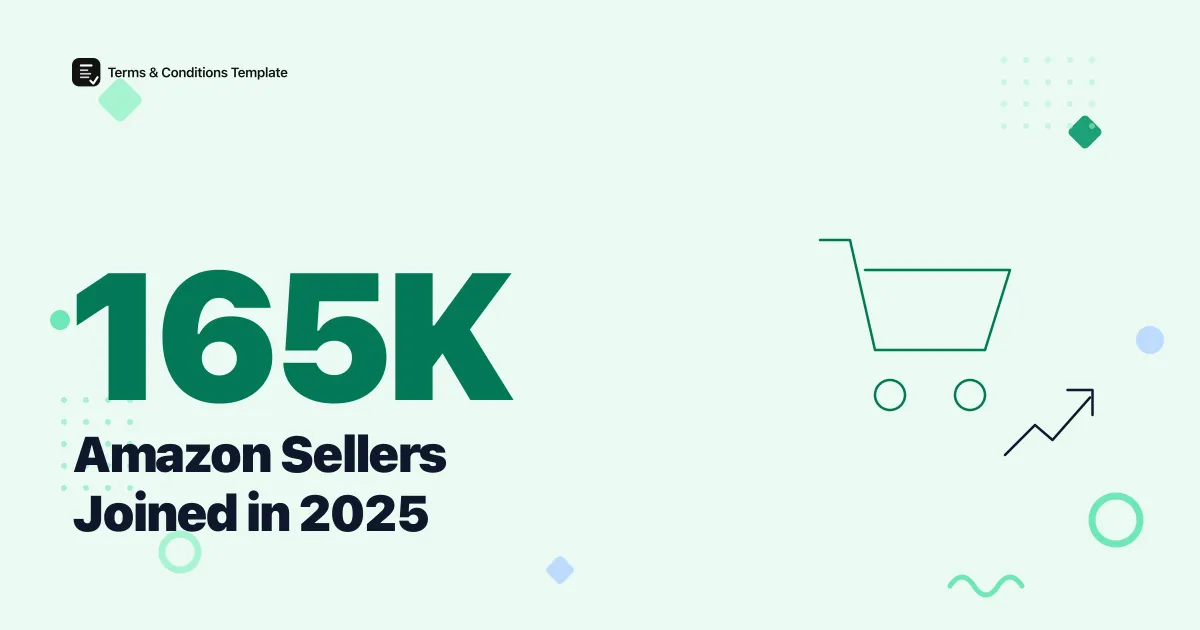
Only 165,000 new sellers launched on Amazon in 2025, a decade low, even as third-party sellers pushed past 61% of units sold. See the 2026 data on Amazon sellers, sales, and market share.
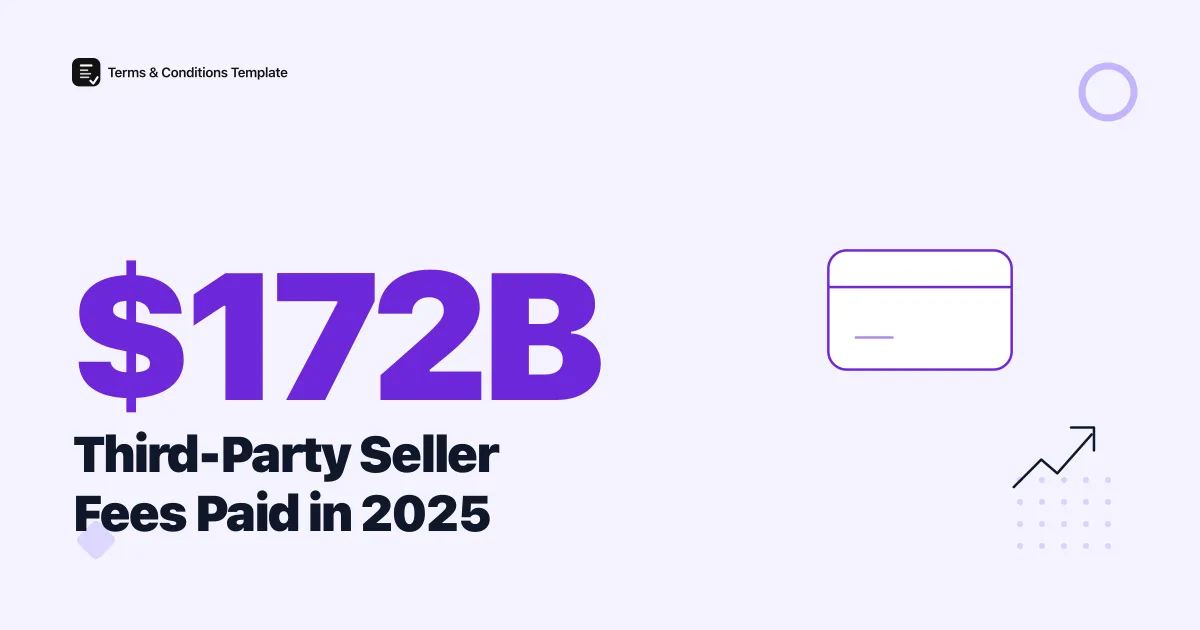
Third-party sellers generated $172.2 billion in fee revenue for Amazon in 2025, 24% of the company's total net sales, according to Amazon's own SEC filings. See the 2026 data on seller fees, sales share, and growth.
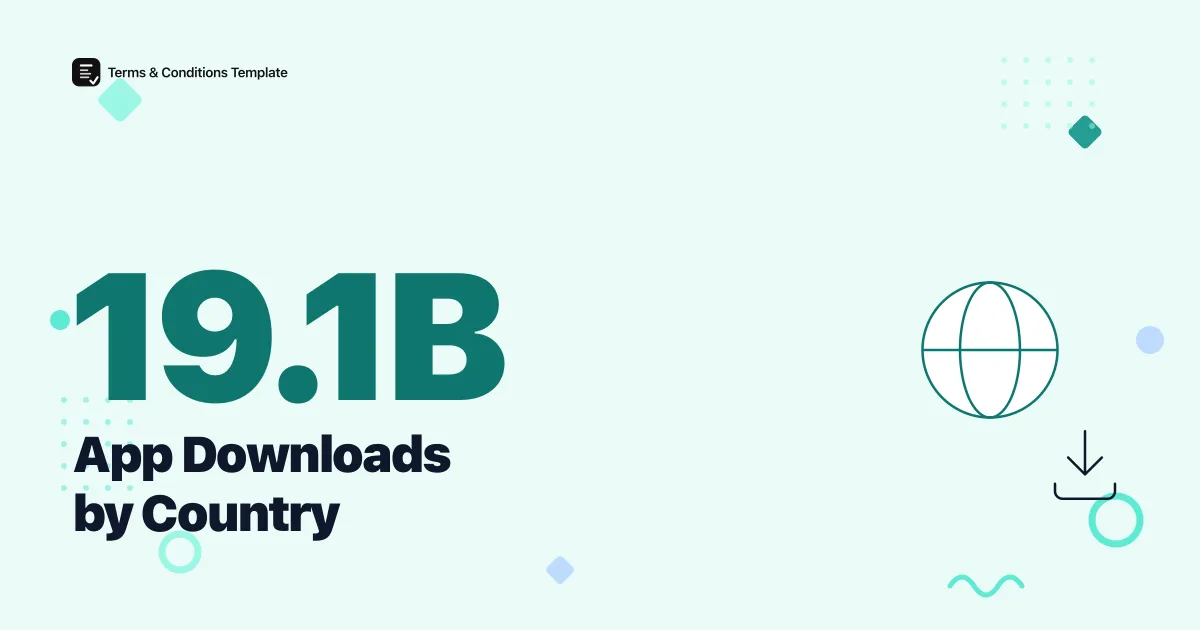
India generated 19.1 billion app downloads across the App Store and Google Play in the 12 months to November 2025, 17% of the world's total and more than any other country, according to AppTweak's app store intelligence report (December 2025). See the full country ranking, iOS versus Android splits, and why Sensor Tower's own India estimate runs far higher.
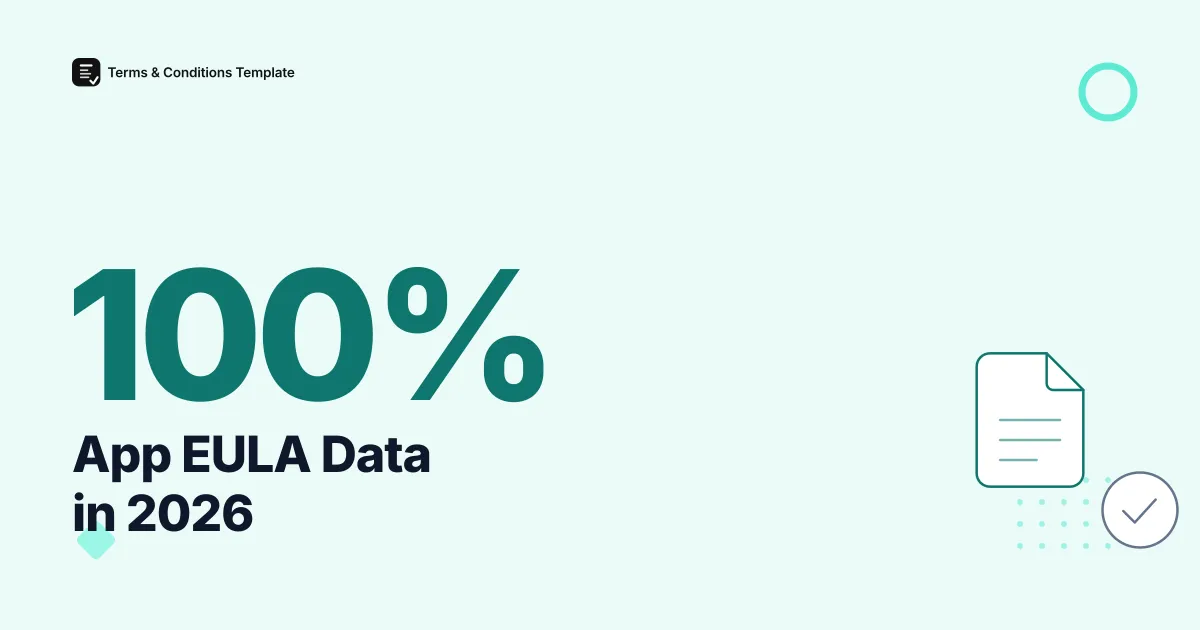
Every one of the roughly 2.49 million apps on Apple's App Store is bound by a EULA, either Apple's Standard EULA or a developer's custom one, by policy. Google Play, hosting about 1.96 million apps, does not require one at all. See the full 2026 data.
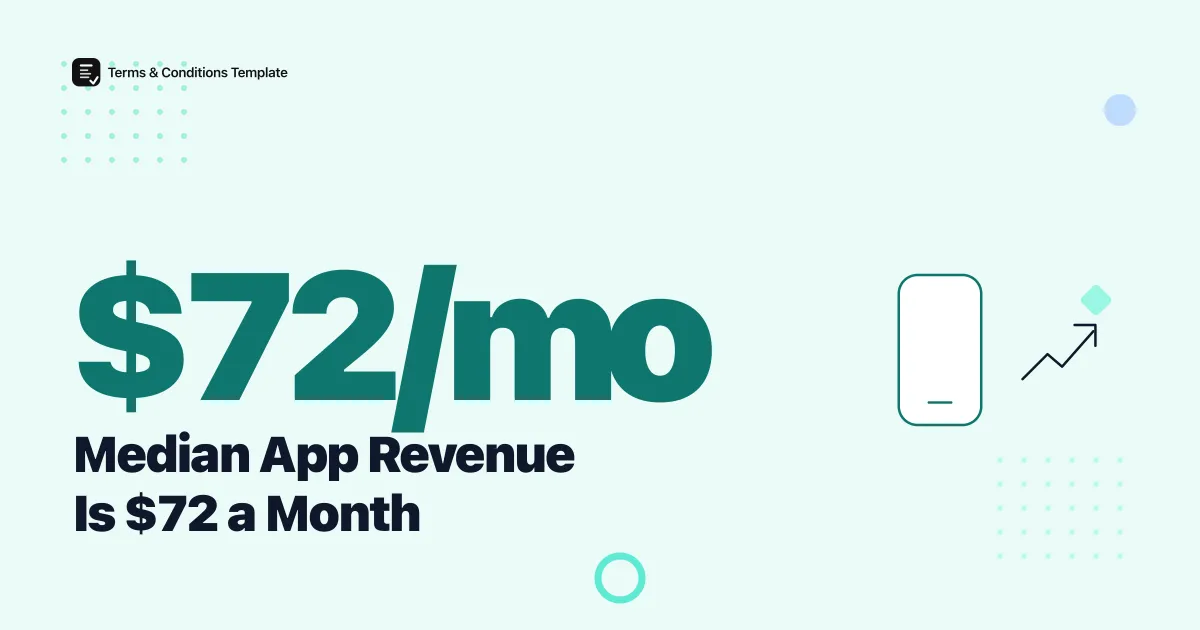
The median subscription app earns about $72 a month in revenue during its first year, according to RevenueCat's State of Subscription Apps 2026 report (115,000+ apps, $16 billion analyzed). See revenue by percentile, conversion rates, and how much older apps still dominate.
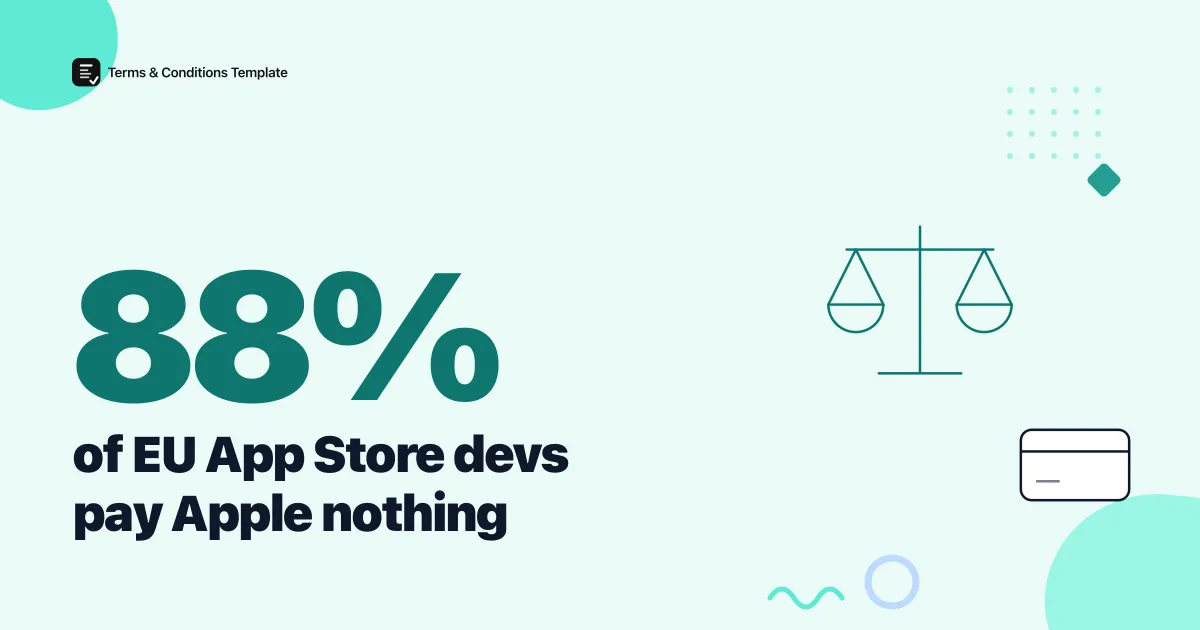
88% of developers on the App Store in the EU now pay Apple no commission at all, per Apple's own 2026 developer terms. See Apple's 30%/15% tiers, Google Play's rates, and how the Epic v. Apple ruling changed external payment fees.
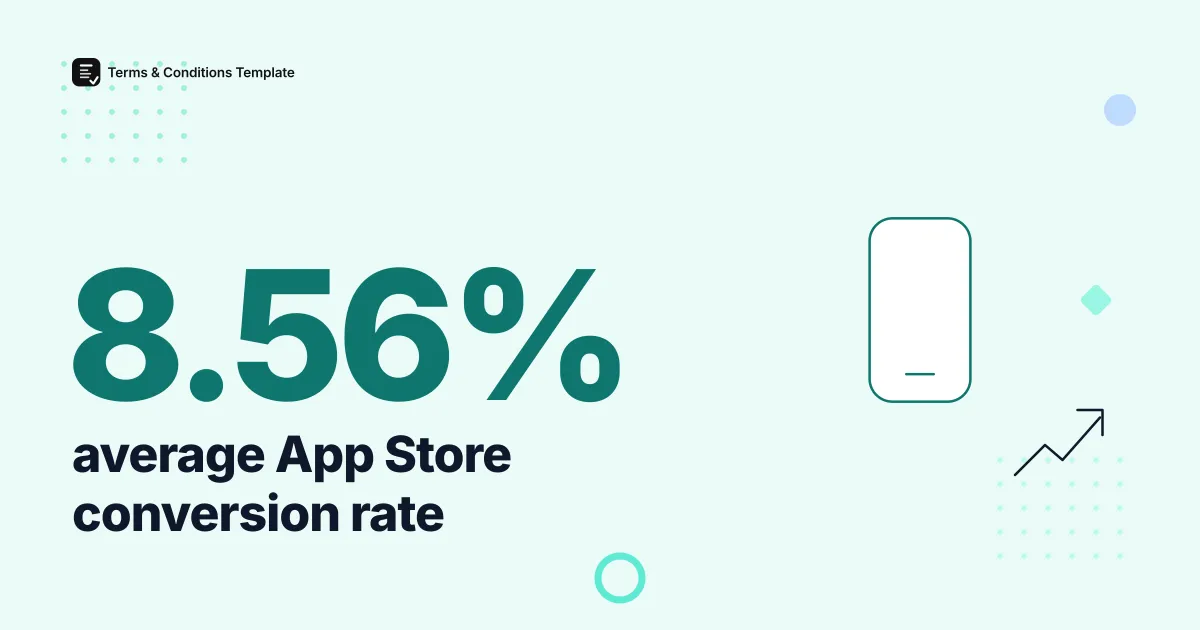
The average US App Store product page converts 8.56% of visitors into installs in 2025, per AppTweak benchmark data, versus 16.15% on Google Play. See conversion rate, discovery, and rating benchmarks for App Store Optimization in 2026.
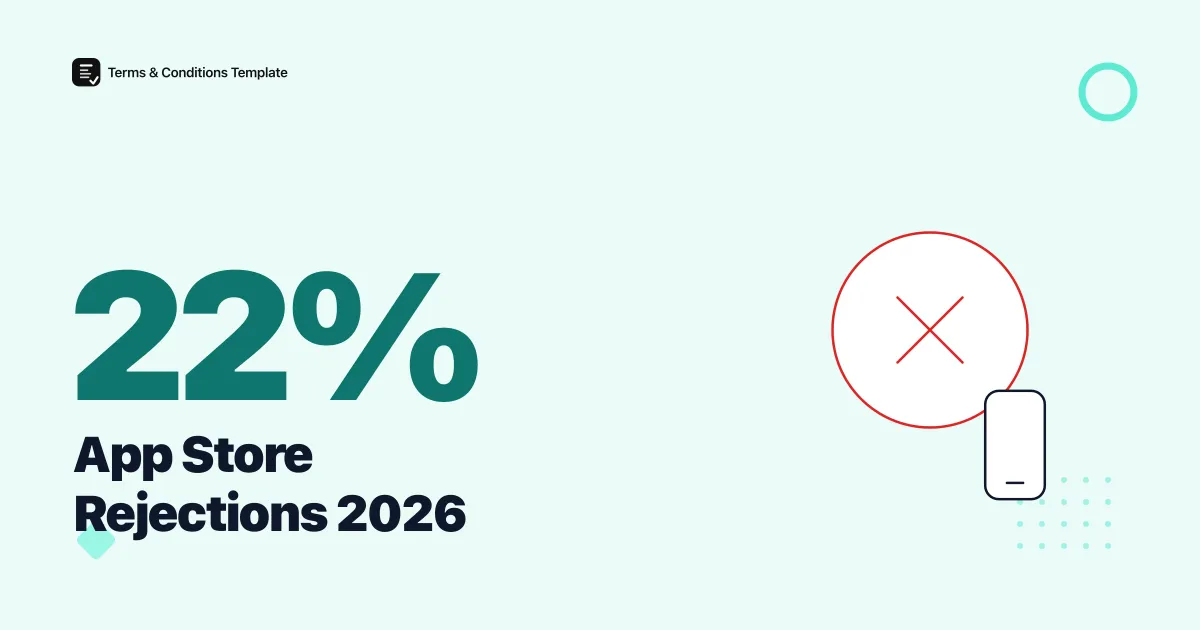
Apple rejected more than 2 million of the 9.1 million-plus App Store submissions it evaluated in 2025, a rejection rate near 22%, per Apple's own 2026 transparency data. See every reason ranked, from performance failures to privacy violations.
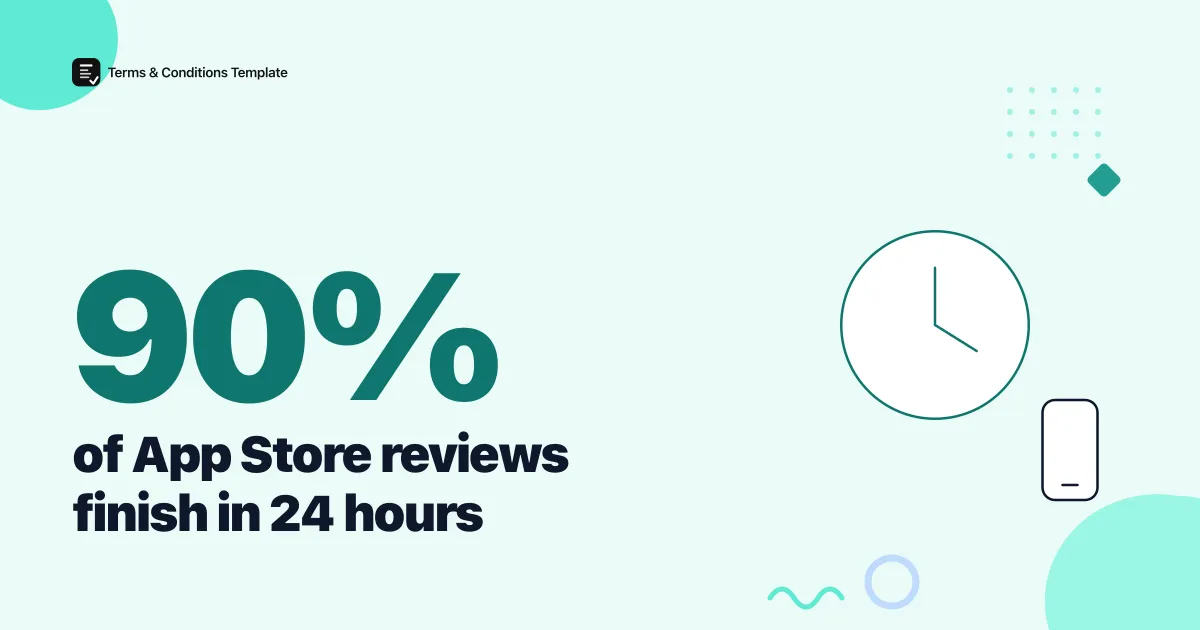
Apple says 90% of App Store submissions are reviewed in less than 24 hours, per its own live App Review status page (checked July 2026). Google Play's own help docs put its standard review window at a few hours up to seven days. Here is what both platforms actually publish about review speed, and what still slows a submission down.
Apps were downloaded 149 billion times in 2025 and consumers spent $167 billion inside them, per Sensor Tower's State of Mobile 2026 report. See app counts, revenue splits, and rejection data for Apple App Store and Google Play.
Global app subscription and in-app purchase revenue hit $167 billion in 2025, up 10.6% year over year, while nearly 30% of annual subscriptions cancel within the first month, per Sensor Tower and RevenueCat's 2025-2026 data.
46.1% of Android app installs were uninstalled within 30 days in 2024, according to AppsFlyer's App Uninstall Report, based on 402 million tracked uninstalls. See why users delete apps and how uninstall rates vary by category and country in 2026.
What a compliant auto-renewal and negative option clause needs to say, where it belongs in your terms and conditions, and how to avoid the disclosure mistakes that draw regulator attention.
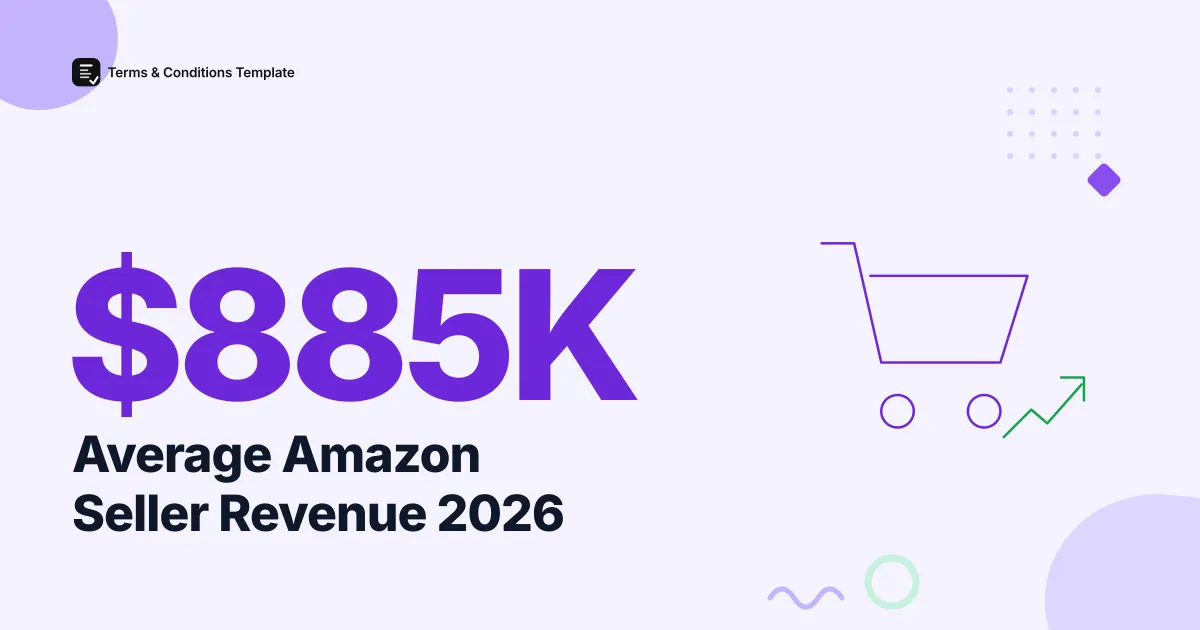
The average US-based Amazon seller generated $884,958 in revenue in 2025, per Marketplace Pulse, more than double China's $393,557. See 2026 data on seller revenue tiers, profit margins, and how many sellers hit $1 million.
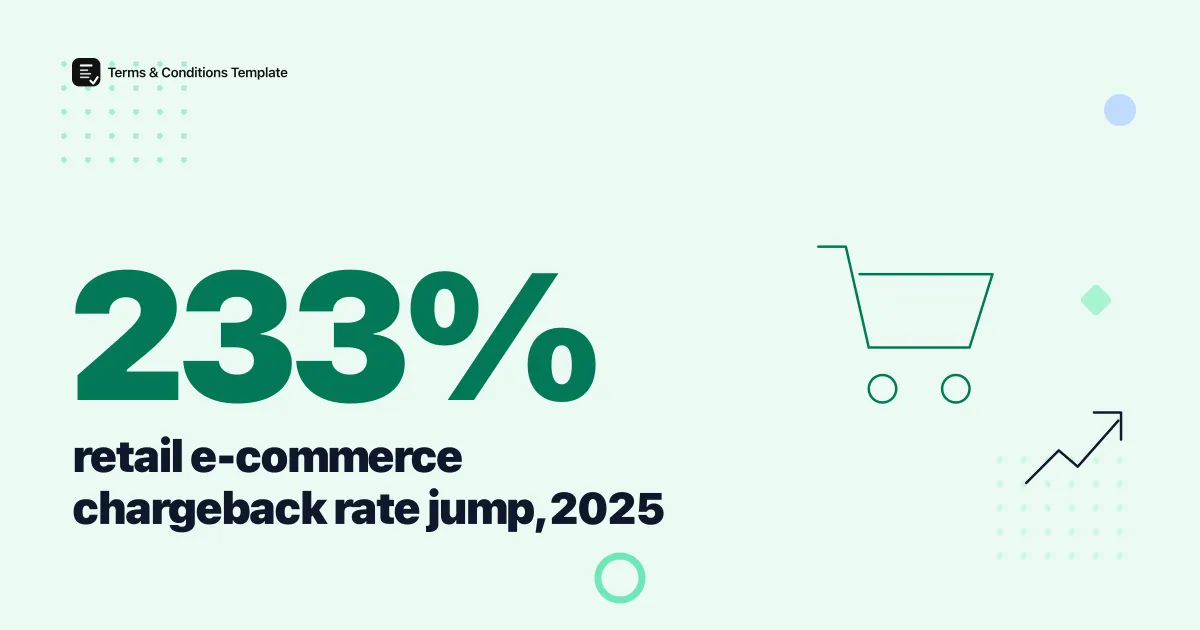
Retail e-commerce chargeback rates rose 233% year over year in 2025, the sharpest jump of any category Sift tracked in its Q4 2025 Digital Trust Index. Here is the 2025-2026 data on how chargeback rates and dispute costs vary by industry, and why so many widely-cited 'rate by industry' tables are older than they look.
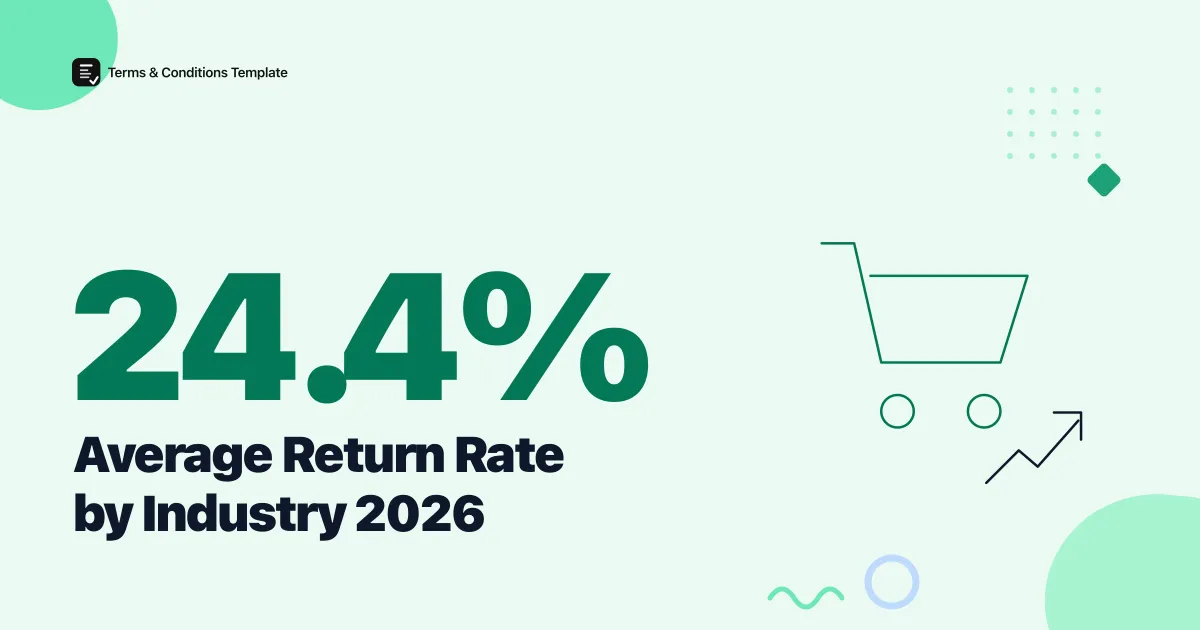
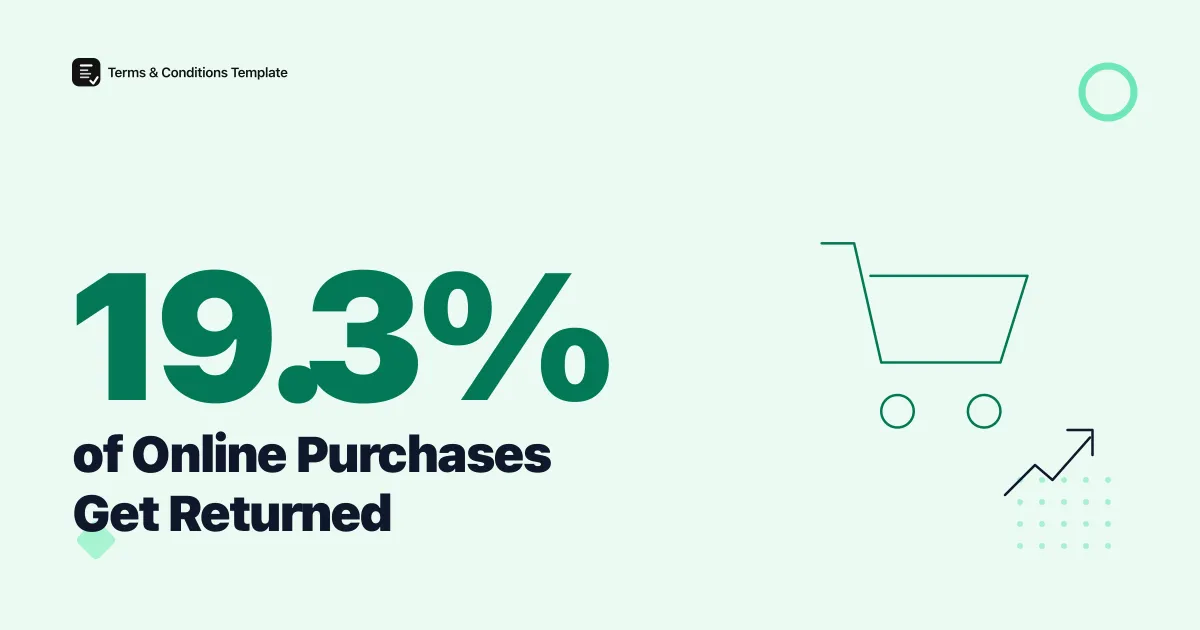
Apparel and footwear return at 24.4% online, well above the 19.3% blended ecommerce average, according to Coresight Research (2023) and the National Retail Federation (2025). See return rate benchmarks by industry, channel, and category for 2026.
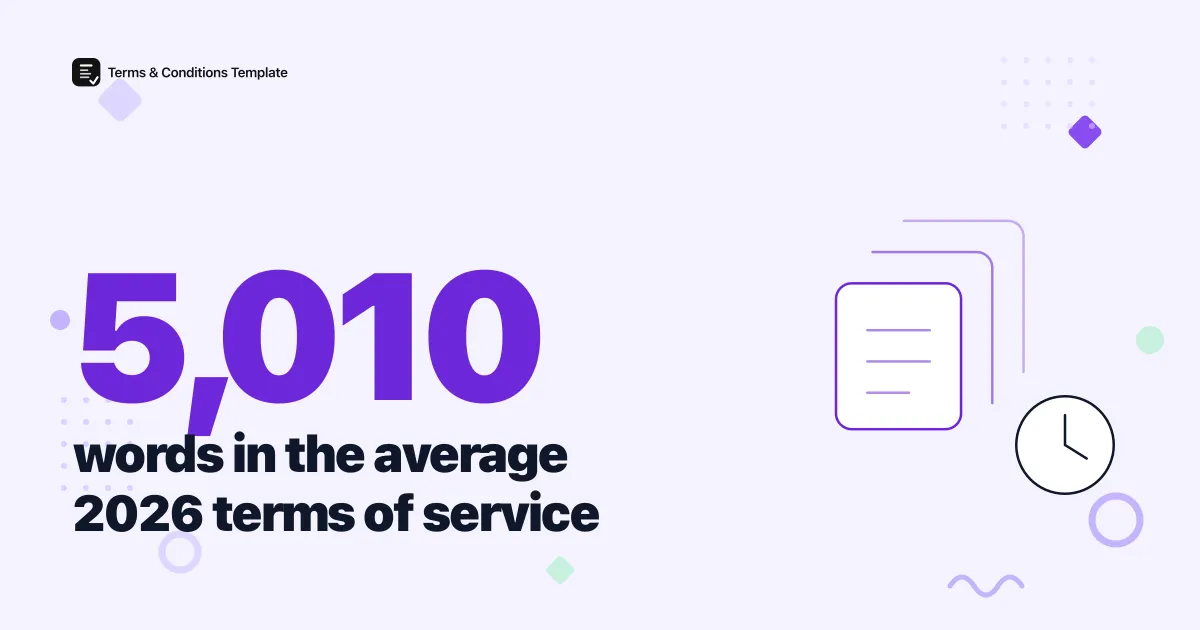
Terms of service documents on 13 major platforms average 5,010 words in 2026, per a Swinburne University of Technology preprint by Kang and McCosker. See average length by platform, by industry, and how long it actually takes to read one.
An estimated 4% to 12% of beauty and personal care purchases were returned online in 2025, the lowest rate of any major ecommerce category, versus a 19.3% all-category average from the National Retail Federation and Happy Returns. See the hygiene rules, shade-match problem, and waste angle behind the numbers.
Black Friday 2025 online sales hit $11.8 billion in the US, up 9.1% year over year, according to Adobe Analytics. Here is how shopper turnout and return rates compare heading into the 2026 season.
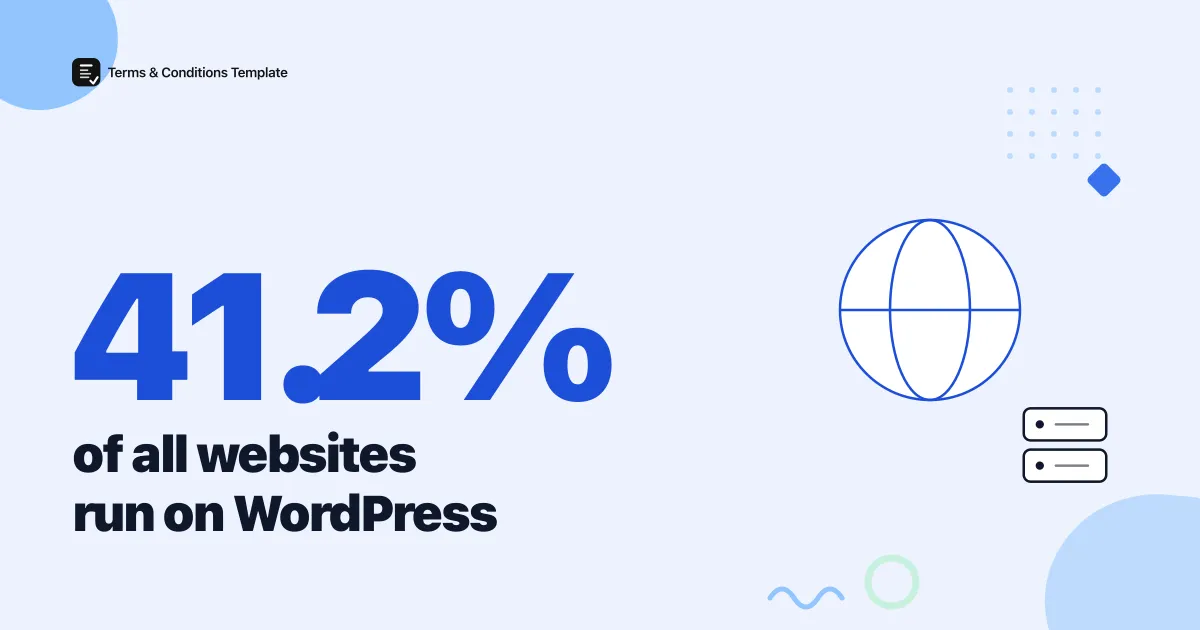
40.7% of all websites run on WordPress as of August 2026, per W3Techs, and WordPress.com users publish 70 million new posts every month. See 2026 data on blog word counts, time to write, and blogger income.
UK Boxing Day footfall rose 4.4% in 2025, the strongest increase in over a decade, according to retail analytics firm MRI Software, even as Barclays recorded planned spend falling to £3.6 billion. See the full UK Boxing Day spend, footfall, and returns data for 2026.
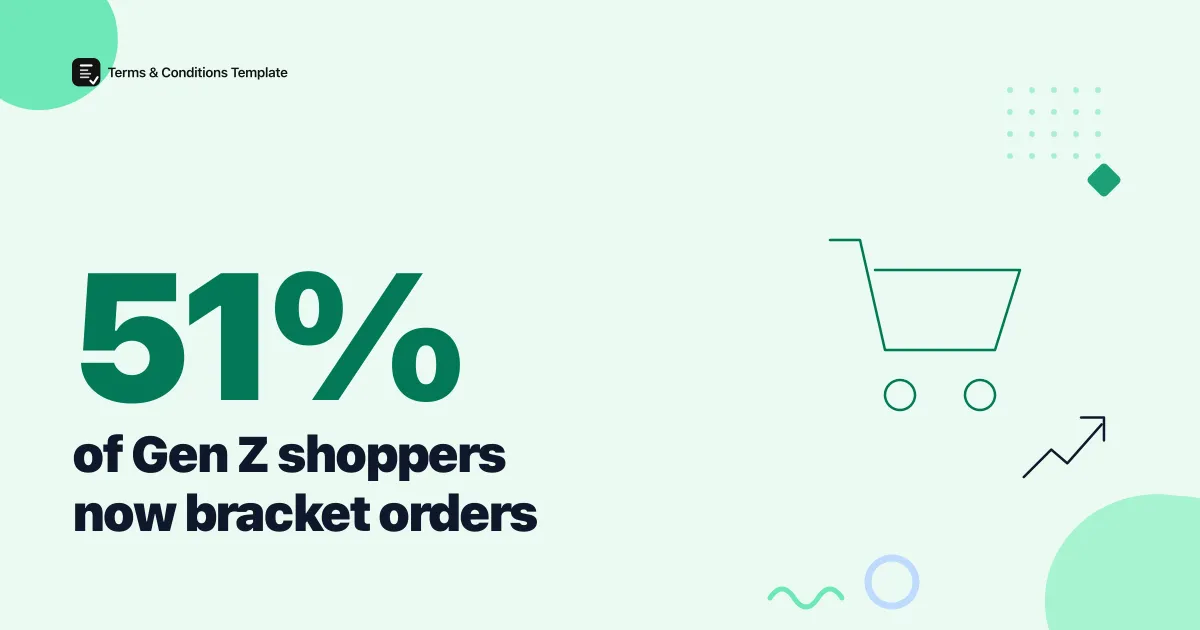
51% of Gen Z shoppers now bracket their online orders, buying multiple sizes or colors with a plan to return most of it, according to NRF and Happy Returns' 2024 Consumer Returns report (n=2,007). See how UK data, retailer costs, and return-fee policy compare going into 2026.
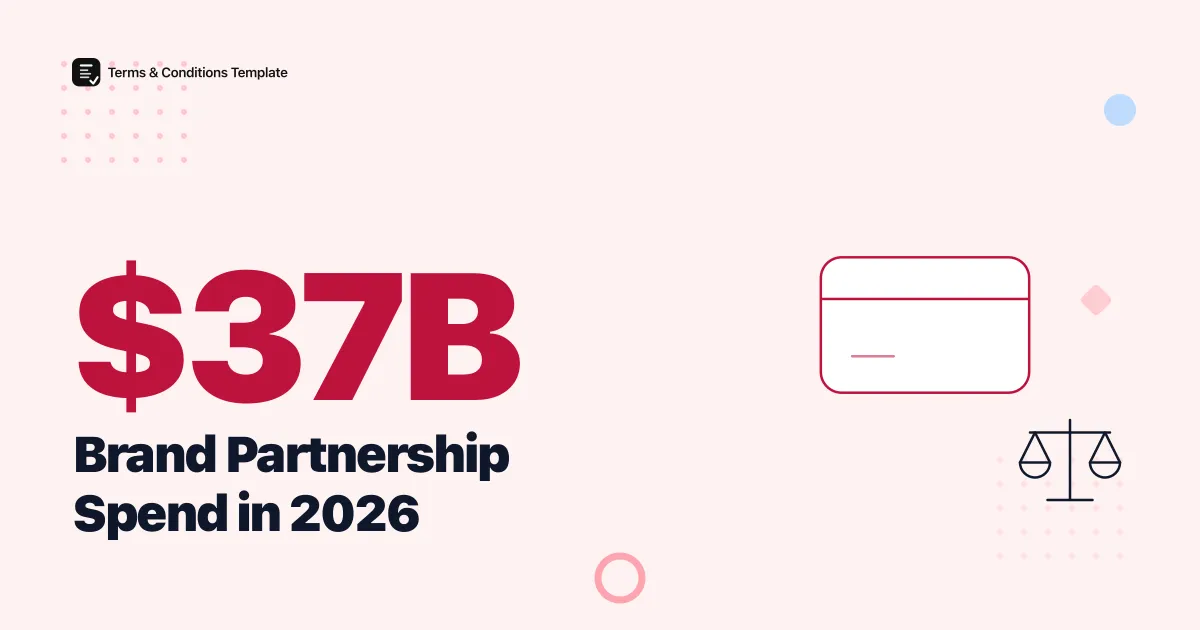
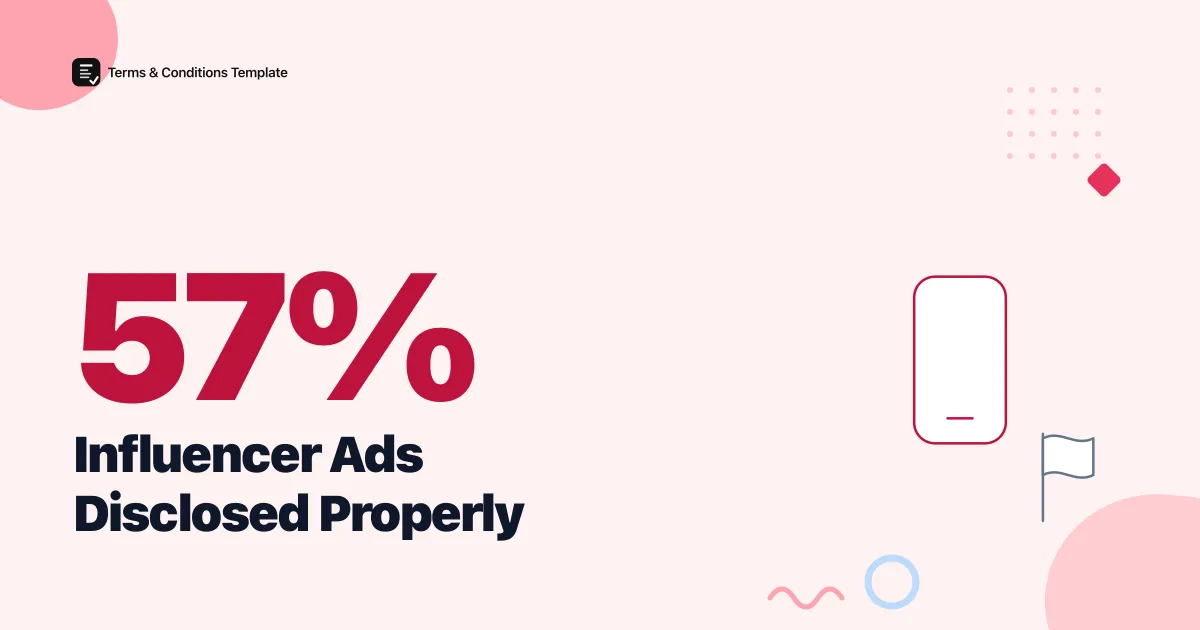
US brands spent an estimated $37 billion on creator and sponsored content advertising in 2025, up 26% year over year, per IAB's November 2025 Creator Economy Ad Spend and Strategy Report. Here is what that spend collides with: a $53,088 maximum FTC penalty per undisclosed post and a consumer base that says non-disclosure costs trust.
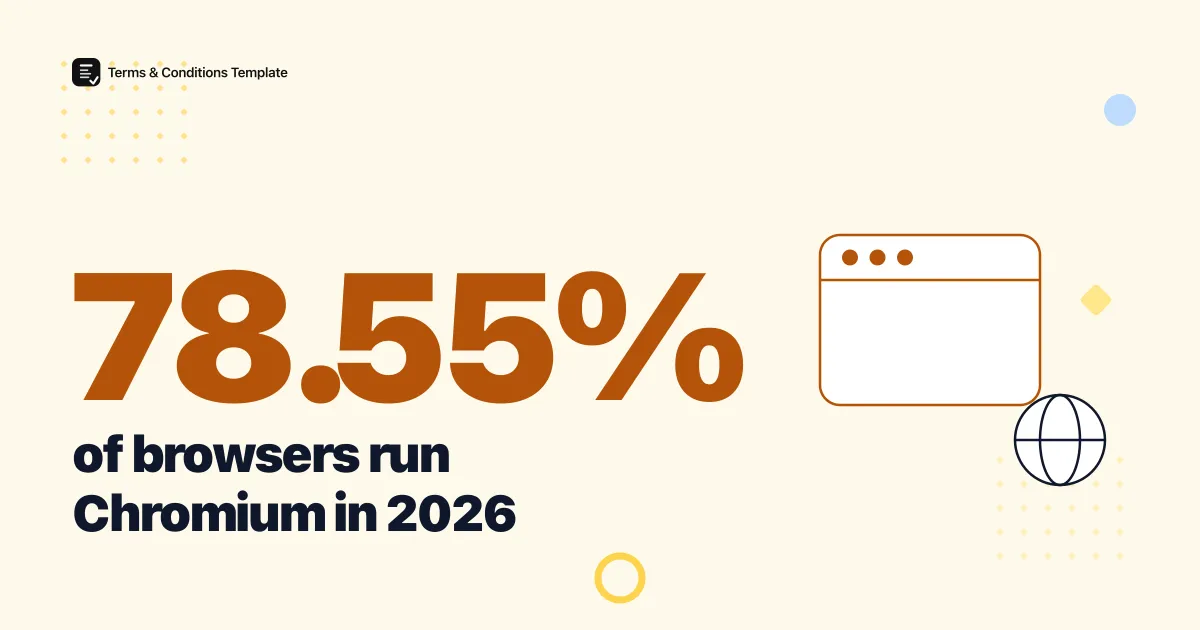
Chrome, Edge, Samsung Internet, and Opera together carried 78.55% of global browser traffic in June 2026, per StatCounter Global Stats, and none of them blocks third-party cookies by default. See the full leaderboard, engine split, and country variance.
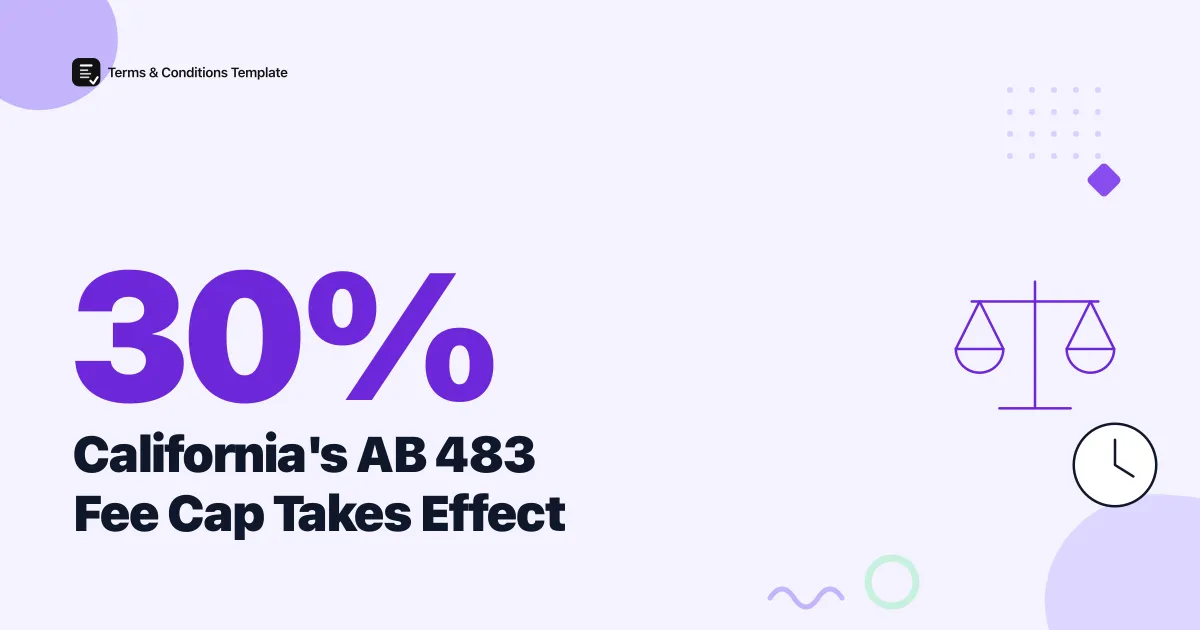
California's AB 483 took effect August 1, 2026, capping early termination fees on fixed-term installment contracts at 30% of the remaining balance and requiring clear written disclosure of the fee, per News Channel 3-12 (KEYT) coverage of the bill.
California's AI Transparency Act (CAITA, amended by AB 853) became operative on August 2, 2026, requiring large generative AI providers to label AI-generated images, video, and audio. Here is what actually changed, straight from the statute text.
Card-not-present (CNP) fraud accounted for 73% of all US card payment fraud losses in 2023, up from 57% in 2019, according to eMarketer's analysis of Federal Reserve and Commerce Department data. See the 2026 numbers on CNP fraud losses, growth, and cost.
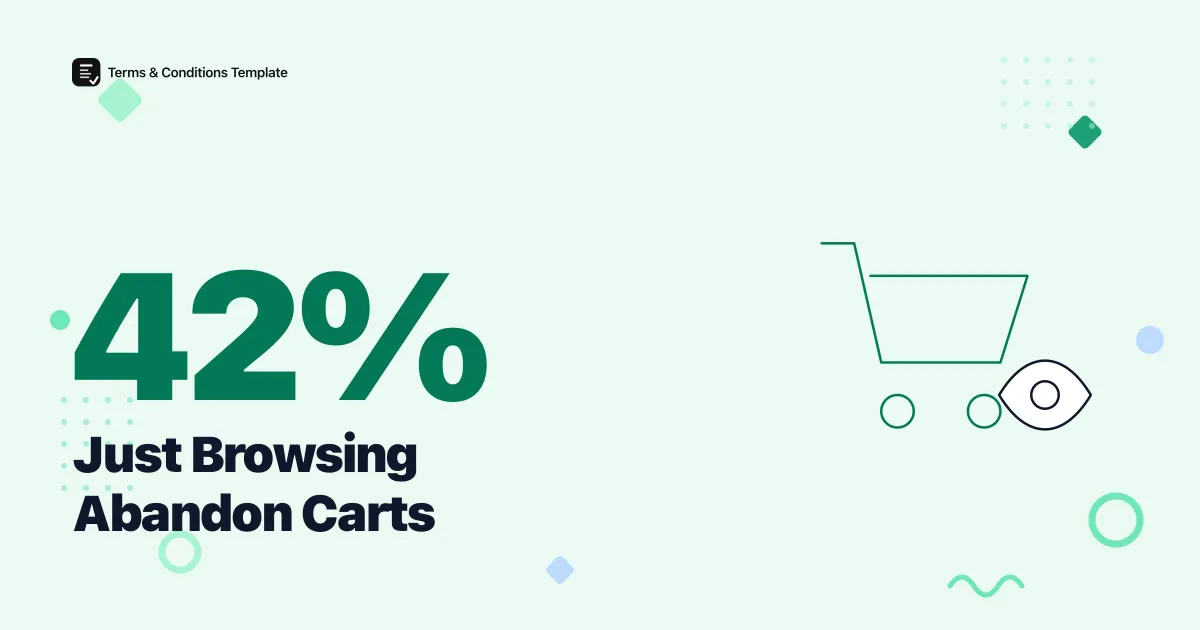
70.22% of online shopping carts are abandoned before checkout, per Baymard Institute's compilation of 50 studies through 2025. See abandonment rates by industry, top reasons, and how return policy clarity affects the number.
Cash's share of US consumer payments fell to 14% in 2024, down from 31% in 2016, according to the Federal Reserve's 2025 Diary of Consumer Payment Choice. See how cash stacks up against credit, debit, and euro area trends in 2026.
What a CCPA/CPRA-compliant privacy policy must disclose: sale and share opt-outs, sensitive personal information categories, and California consumer rights.
Processors and acquirers typically charge merchants $20 to $100 per filed chargeback, according to Chargebacks911's chargeback-fee guide, on top of the disputed transaction itself. See the 2026 data on network monitoring fees, Mastercard's escalating penalties, and what a single dispute actually costs to process.
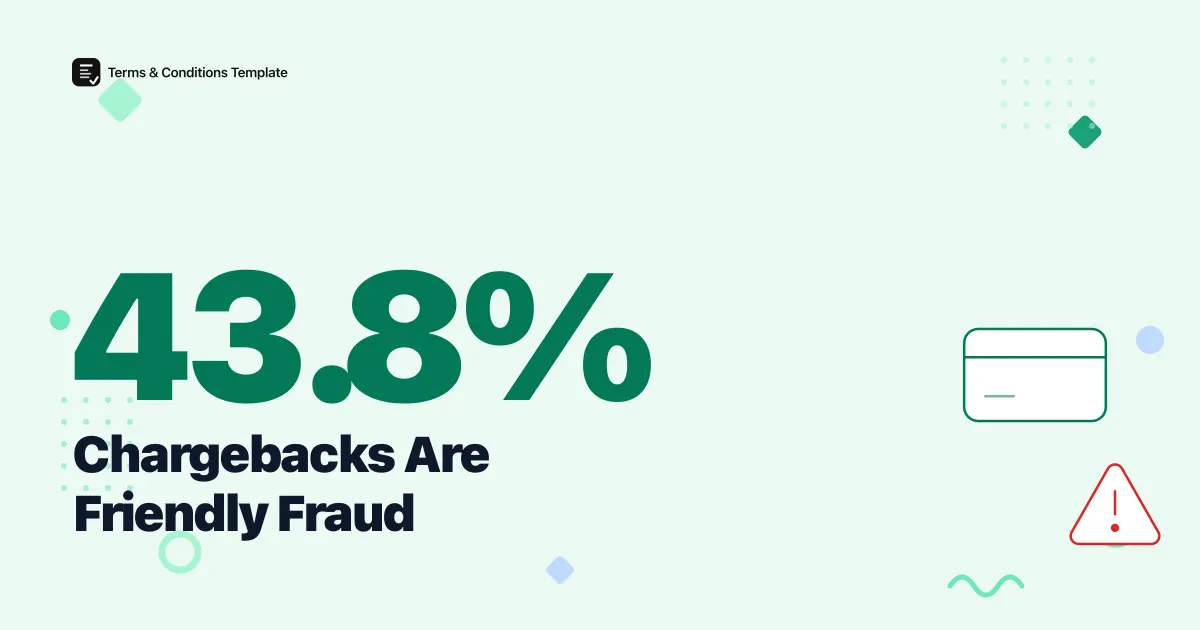
Chargeback fraud and misuse cost US merchants more than $170 billion a year, according to Chargebacks911's 2025 Cardholder Dispute Index. See the 2026 data on rates, costs, and friendly fraud by industry.
65% of ecommerce checkout flows score mediocre or worse for usability, per Baymard Institute's live 335-site Cart and Checkout Usability Benchmark, accessed 2026. See why shoppers abandon checkout once it starts, and how clear terms narrow the gap.
The average online checkout takes 5.1 steps and 11.3 form fields to complete, according to Baymard Institute's 2024 benchmark of top US and EU stores. See 2026 data on checkout steps, abandonment, and one-click adoption.
US shoppers plan to spend $890.49 per person on average this holiday season, the second-highest figure in NRF's 23-year survey history, based on Prosper Insights & Analytics' October 2025 survey of 8,247 consumers. See the full spend, timing, and payment breakdown heading into 2026.
Education has the highest churn rate of any major industry in 2026 at 4.99% annually, while SaaS holds the lowest at 3.22%, according to Recurly Research's July 2026 benchmark data across six industries.
The FTC says it logged more than 100,000 negative option complaints in five years, yet its Click to Cancel rule was vacated in July 2025. See the 2026 numbers on the rule, the court ruling, and $2.5 billion in cancellation enforcement.
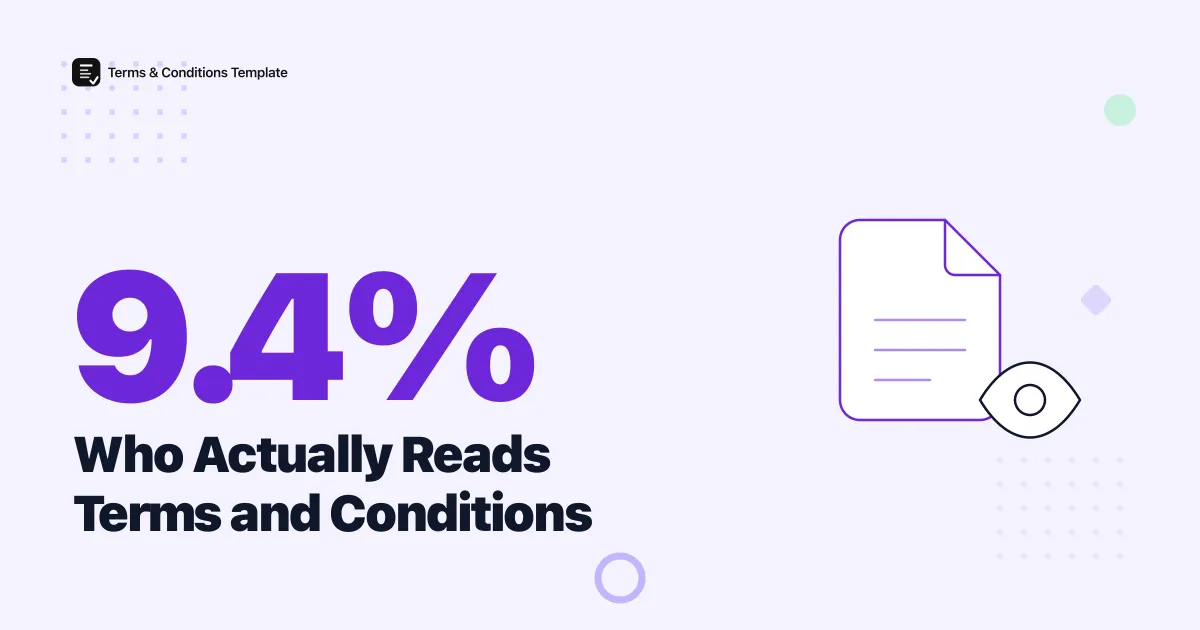
Only 0.1% to 0.2% of online shoppers ever open a clickwrap license agreement before clicking Agree, per a 2014 Journal of Legal Studies analysis of 45,091 households. See how courts, arbitrators, and lawmakers treat clickwrap terms as binding anyway.
Clickwrap and browsewrap are the two ways websites get users to agree to terms. One holds up in court much better than the other. Here is what you need to know.
56% of apparel and footwear brands report a return rate of 30% or higher, according to Radial and Two Boxes' State of Retail Returns 2025 survey of 200 US retailers. See what drives clothing returns, fraud, and refund policy design in 2026.
Cloud infrastructure spending hit $143.4 billion in Q2 2026, up 43% year over year and the fastest growth rate in eight years, according to Synergy Research Group. See the market size, AWS/Azure/Google Cloud share, and adoption data for 2026.
Usercentrics powers 17% of all detected consent management platform installations, more than any other vendor, according to a CHI 2025 study of 254,148 websites by Nouwens et al. See the full 2026 ranking of top CMPs, market concentration, and how installation share compares to revenue share.
53% of consent management platforms audited under IAB Europe's 2025 TCF Compliance Report failed to provide a working consent withdrawal option, and 80% failed to disclose TC string storage correctly. See the full 2026 CMP market, vendor, and enforcement data.
Amazon's top standard Associates commission rate has fallen to 10% in 2026, per Amazon's own live rate table, down from a 20% ceiling in past years. See how 7 major affiliate programs compare on commission rates, cookie windows, and network size.
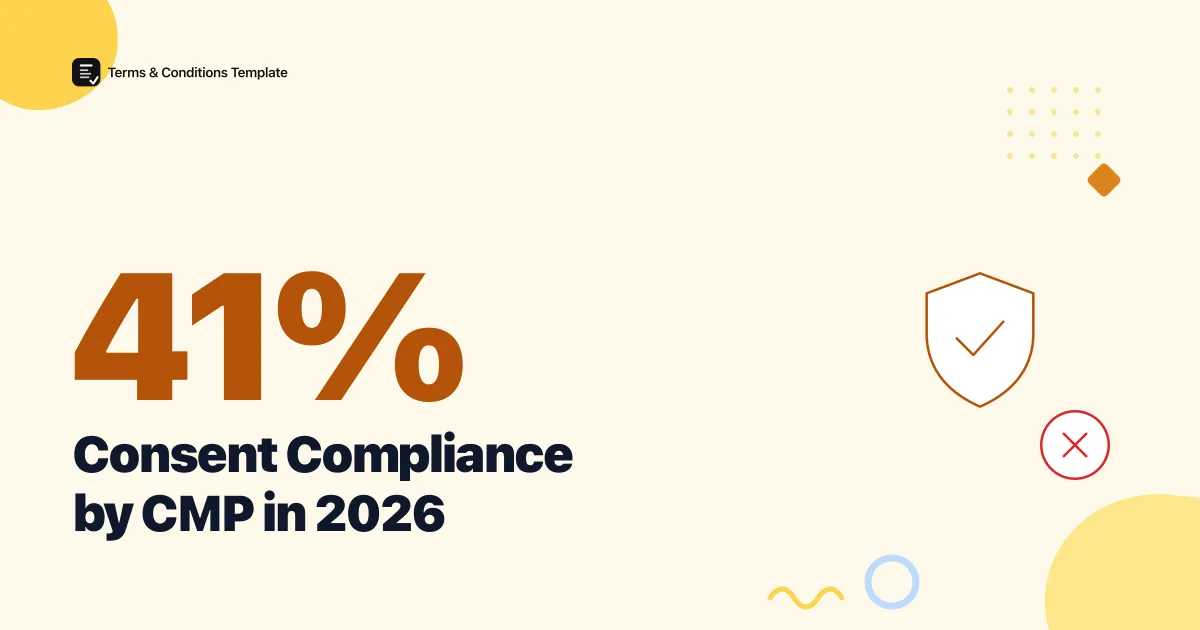
OneTrust's default cookie banner meets GDPR's minimum compliance bar 41% of the time versus 4% for Osano, per a CHI 2025 study of 254,148 websites by Nouwens et al. See the full 2026 compliance-rate benchmark by CMP vendor, plus real-world opt-in data from a 2,391-site vendor benchmark.
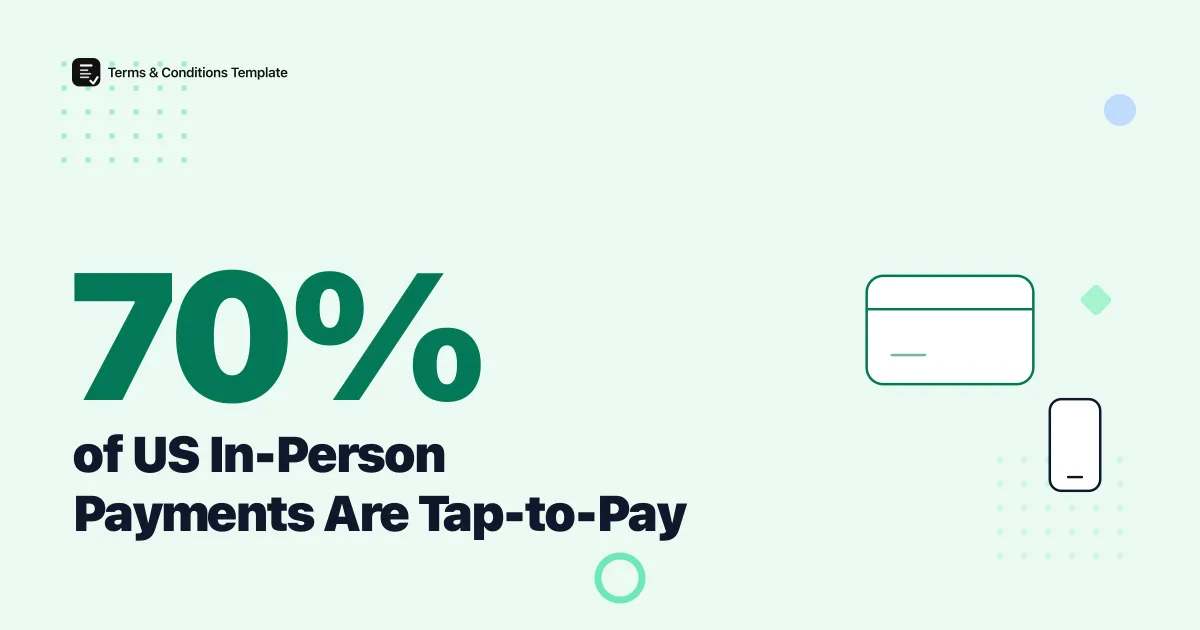
Nearly 70% of US in-person transactions are now tap-to-pay and the global figure has crossed 80%, according to Visa's own Q1 fiscal 2026 earnings disclosure. See the Visa and Mastercard contactless data, mobile wallet share, and growth trend for 2026.
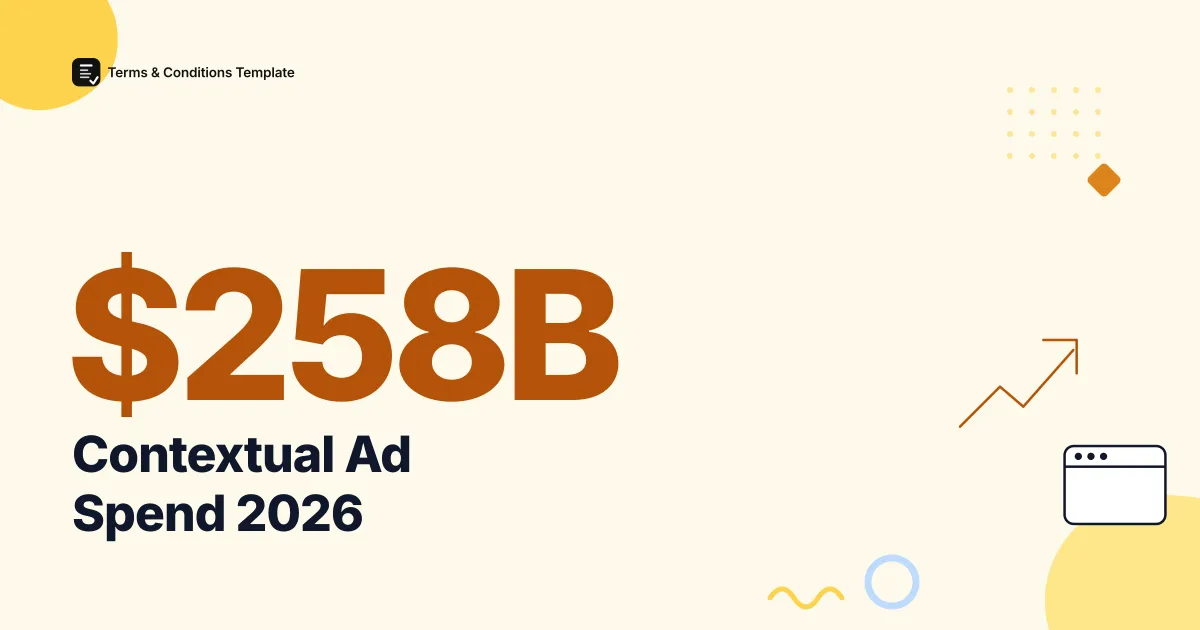
Global contextual ad spend is projected to reach $258.32 billion in 2026, up 10.4% from 2025, per The Business Research Company's January 2026 report. See the spend forecasts, consumer preference data, and growth numbers behind the shift.
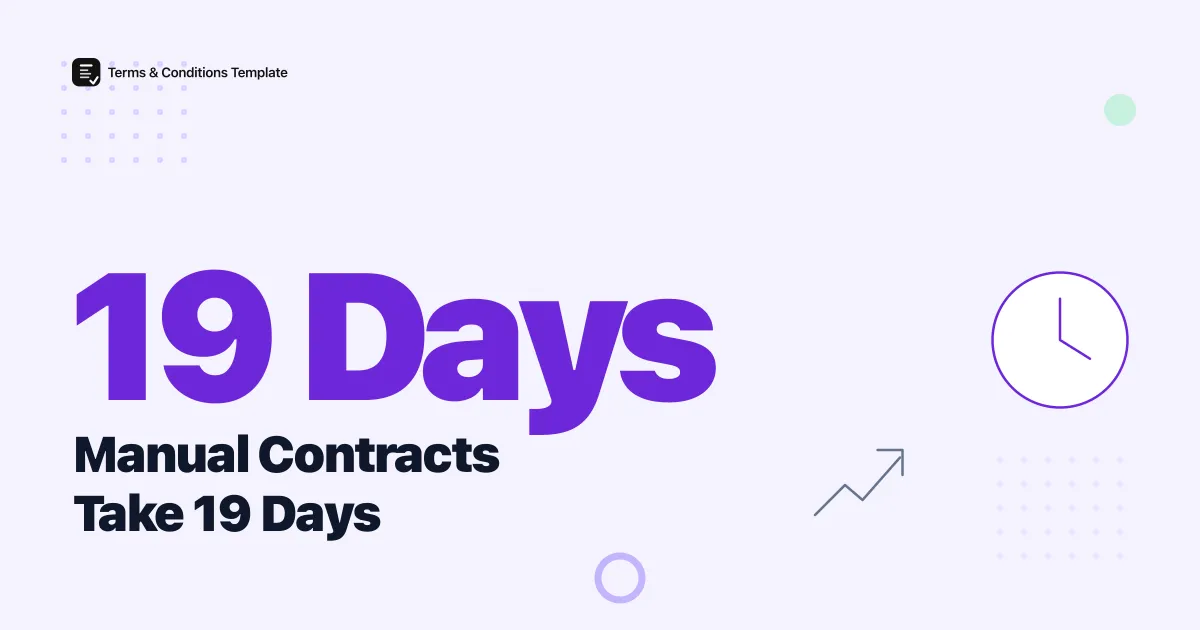
Legal teams take 19 days on average to turn around a contract manually versus 3 days with automation, per SpotDraft's 2025 benchmarking survey of 100+ legal leaders. See 2026 data on legal review hours, contract cost, and CLM software market growth.
88% of cookie banners display an Accept button but only 45% display a Reject button, per a CHI 2025 study of 254,148 websites across 31 European countries. Here is what the design data says about buttons, wording, and pre-checked boxes.
Media, telecoms, and broadcasting companies absorb 70% of the fines imposed on companies under the GDPR, per CMS's 2025 Enforcement Tracker Report. Here is how cookie and consent enforcement risk breaks down by industry heading into 2026.
Spain's cookie banners lead Europe at 28% GDPR compliance while Slovenia trails at just 3%, per a CHI 2025 study of 254,148 sites across 31 countries. See the full country-by-country cookie consent rate list for 2026.
Mobile visitors accept cookie banners at an 80.6% rate compared with 77.8% on desktop and 77.4% on tablet, per Didomi's 2026 State of Data Privacy Benchmark of European sites measured throughout 2025. Here is the full device breakdown and why the gap exists.
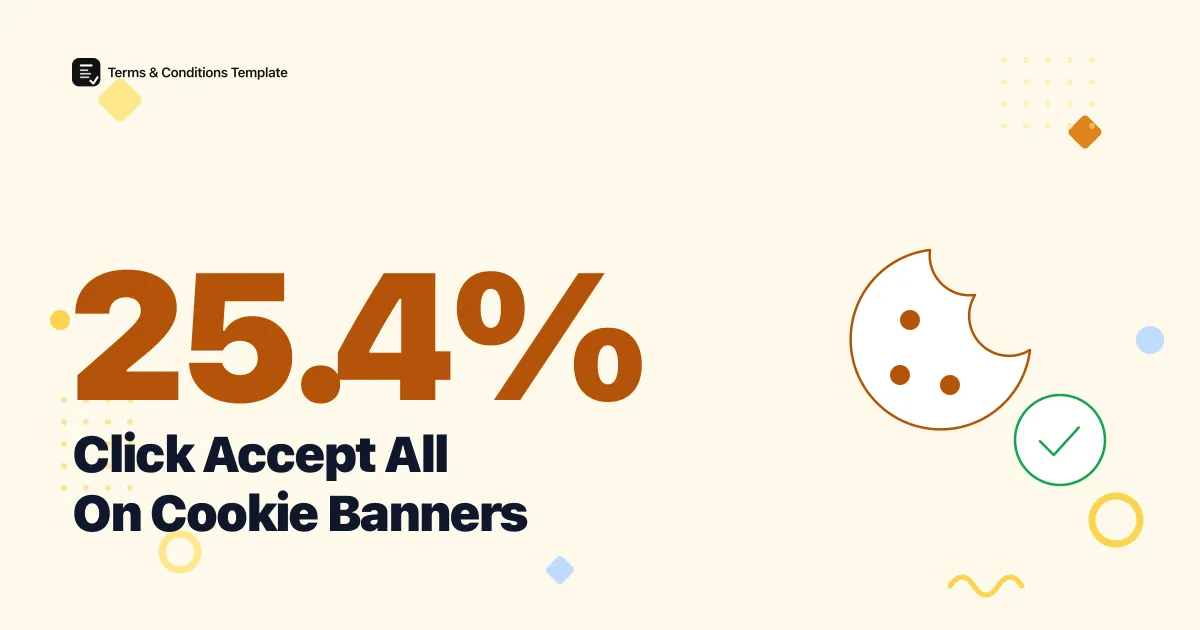
Only 15% of cookie banners are minimally GDPR-compliant and about 25% of visitors accept all cookies on first click. See the 2026 cookie consent data by device, region, and banner design.
Hiding the reject button on a cookie banner raises accept rates from 55% to 77%, a 22-point jump, per a CHI 2020 field experiment. See 2026 data on how visitors actually click cookie banners, by button design, region, and device.
How to disclose Google Analytics, Meta Pixel, and other ad-tracking cookies in a cookie policy, and how that text should match what your consent banner actually blocks.
A privacy policy and a cookie policy cover different ground and answer to different laws. Here is what each one actually discloses, where they overlap, and when a site needs both.
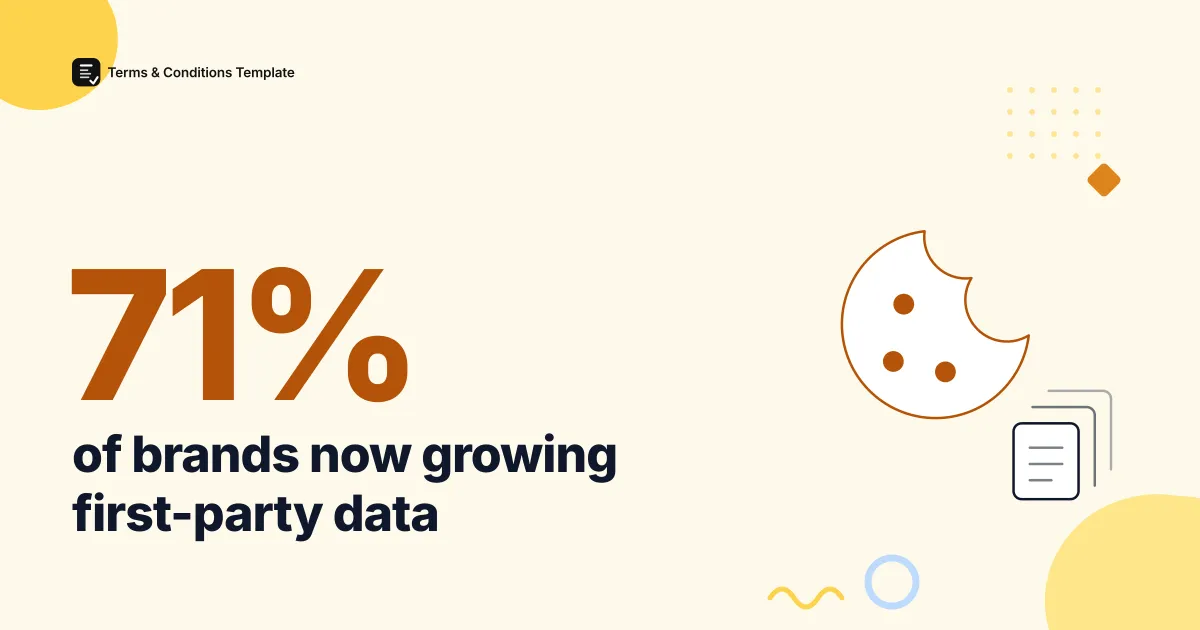
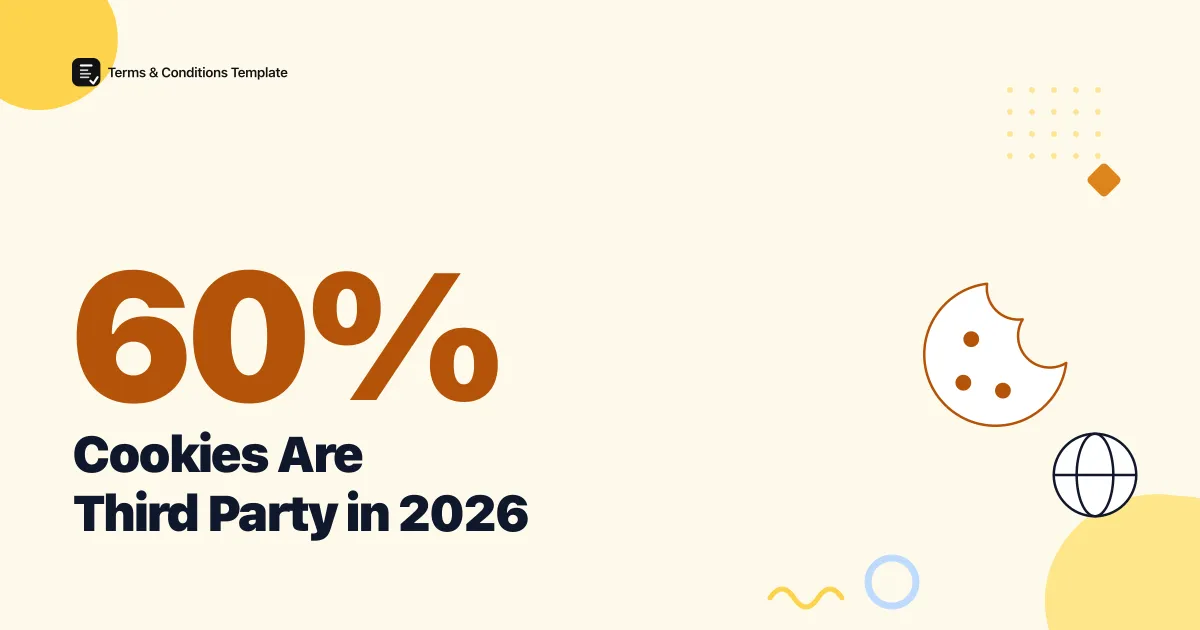
71% of brands, agencies, and publishers are now growing first-party data, nearly double 2022's 41%, per IAB's 2024 State of Data report. See where third-party cookies, Privacy Sandbox, and contextual ads actually stand in 2026.
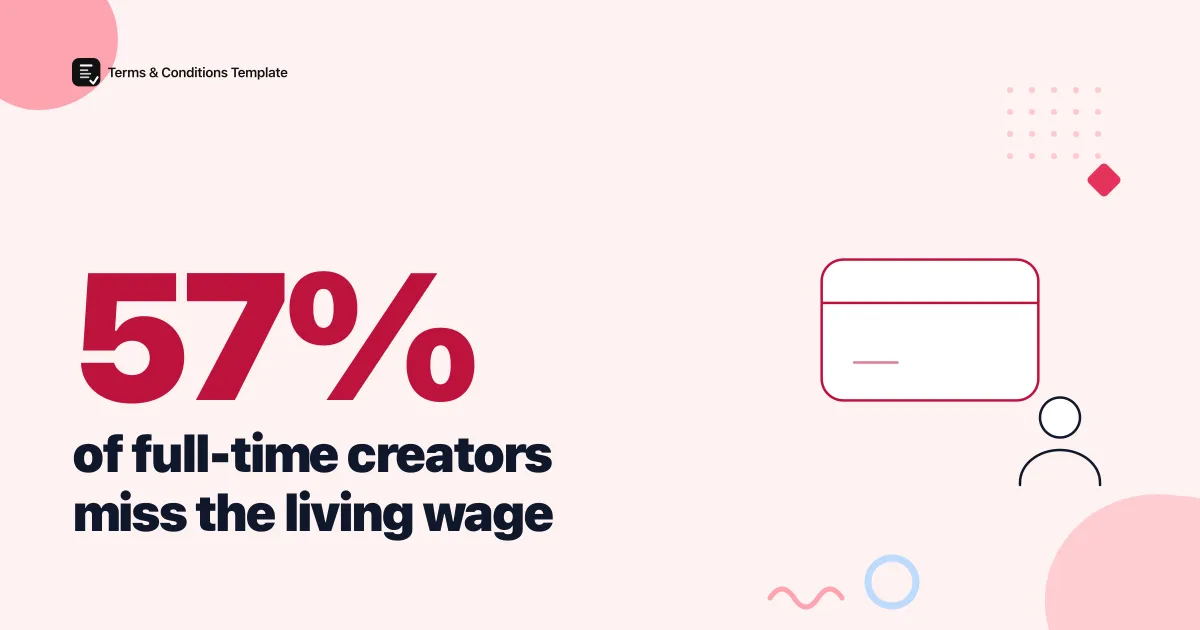
Nearly 57% of full-time creators earn less than the $44,000 US living-wage benchmark, according to the NeoReach / Influencer Marketing Hub Creator Earnings Report published July 2026 (n=3,000+ creators). See how pay differs across YouTube, Patreon, and Substack.
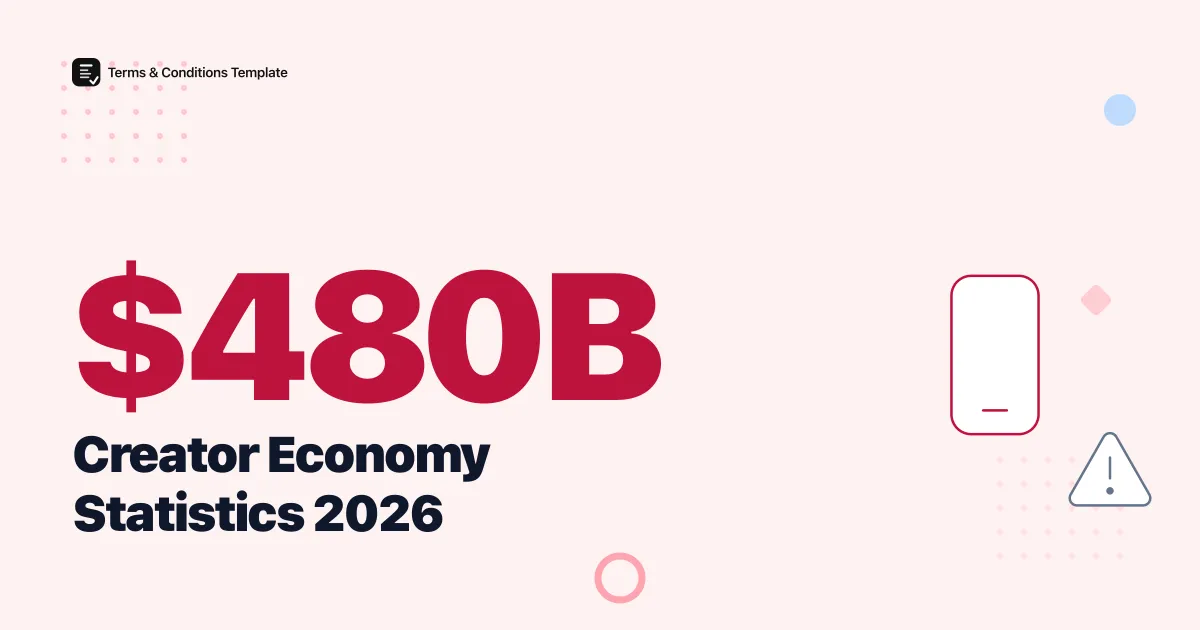
The creator economy could nearly double to $480 billion by 2027, per Goldman Sachs, while most individual creators still earn under $15,000 a year. See the 2026 data on market size, platform payouts, and earnings inequality.
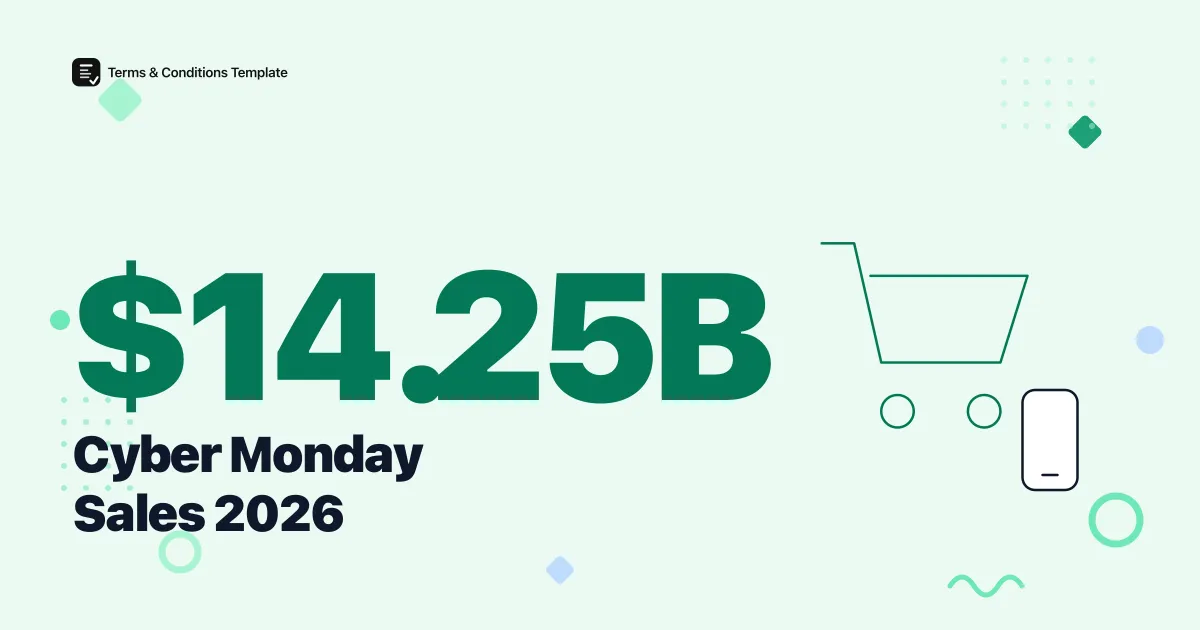
Cyber Monday 2025 online sales hit $14.25 billion in the US, up 7.1% year over year, according to Adobe Analytics. Here is what shoppers bought, how mobile and AI changed the picture, and what it means for return policies heading into 2026.
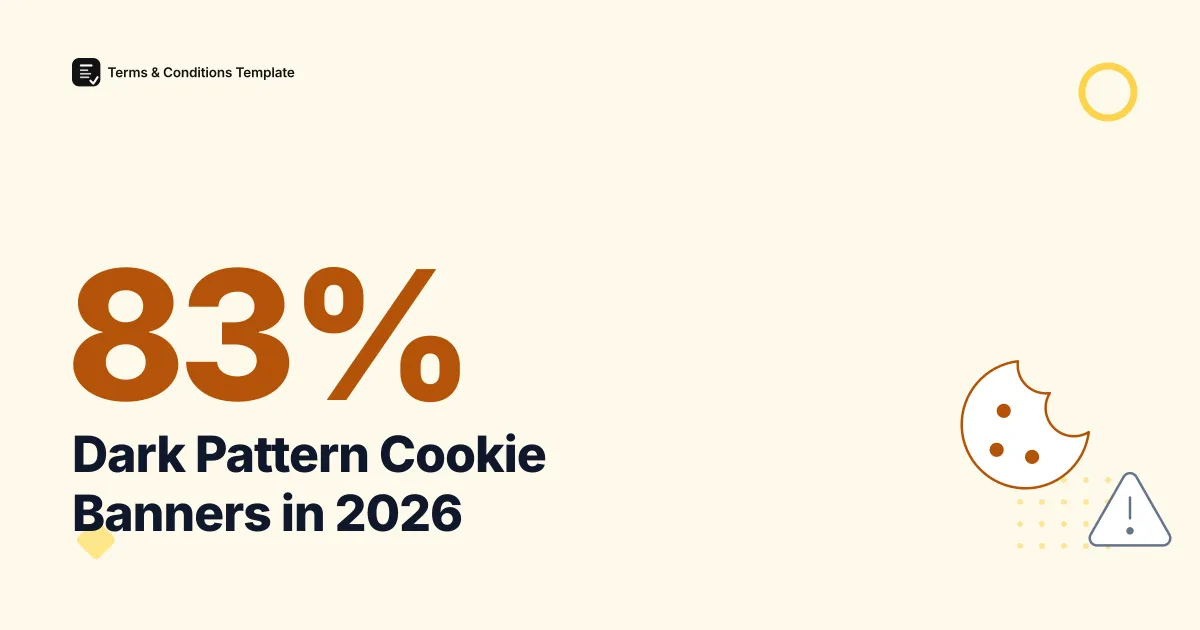
83% of US websites and 44% of EU websites set tracking cookies before a visitor clicks anything on the consent banner, per a 2025 study of 14,000 sites. See the 2026 data on which dark patterns are most common and how regulators are responding.
The model-training-data prohibition, output-retention limits, and sub-processor disclosure a DPA needs when the vendor is an AI or ML tool, not a standard SaaS processor.
US digital advertising revenue reached $294.6 billion in 2025, up 13.9% year over year, according to the IAB/PwC Internet Advertising Revenue Report released in April 2026. See 2025 revenue by format and channel, how the IAB channel figures overlap, and what IAB found on first-party data and Google decided on cookies.
Poor digital contract management drains an estimated $2 trillion a year from the global economy, per Deloitte and DocuSign's 2024-2025 Digital Agreement Management studies. See the contract management software market size, AI adoption data, and where the friction actually happens.
1,294,188 verified signatures backed the EU's Stop Killing Games initiative, and 51% of US console gamers still prefer physical copies, per YouGov's July 2026 poll. See what the data says about owning the games you buy.
56% of global e-commerce transaction value moved through digital wallets in 2025, per Worldpay's Global Payments Report 2026 (63,000+ consumers, 42 markets). See how wallets, cards, cash, and real-time payments compare worldwide.
When a website or blog needs an AI-authorship notice, what an accuracy-liability disclaimer should say, and how FTC guidance and new state and EU rules treat AI-content disclosure.
The sponsored-content, personal-opinion, and guest-liability disclaimer language a podcast or YouTube channel needs, distinct from a written blog's disclaimer.
A disclaimer limits liability for your content and advice, while Terms and Conditions govern user conduct, IP, and account termination. Here is when a site needs both.
How a DMCA takedown policy changes for a platform hosting third-party uploads or listings, including repeat-infringer termination and counter-notice handling at scale.
How to register a designated agent, structure the notice-and-counter-notice process, and meet the safe harbor requirements a DMCA policy depends on.
Learn why Terms and Conditions are essential for any website or app, what you're legally required to include, and how to generate one in minutes.
Why 'cookies' don't exist in mobile apps but SDK trackers and advertising IDs raise the same disclosure obligations, and what to put in an app's policy instead.
A practical guide to when GDPR requires a signed Data Processing Agreement with subprocessors like payment processors, email tools, and analytics vendors, what the agreement must contain, and how it differs from a privacy policy.
On October 26, 2026, the FTC and 20 states sued Dollar General in federal court in Tennessee, alleging it charged more at the register than the advertised price. Here is what a price-error clause and refund policy should cover.
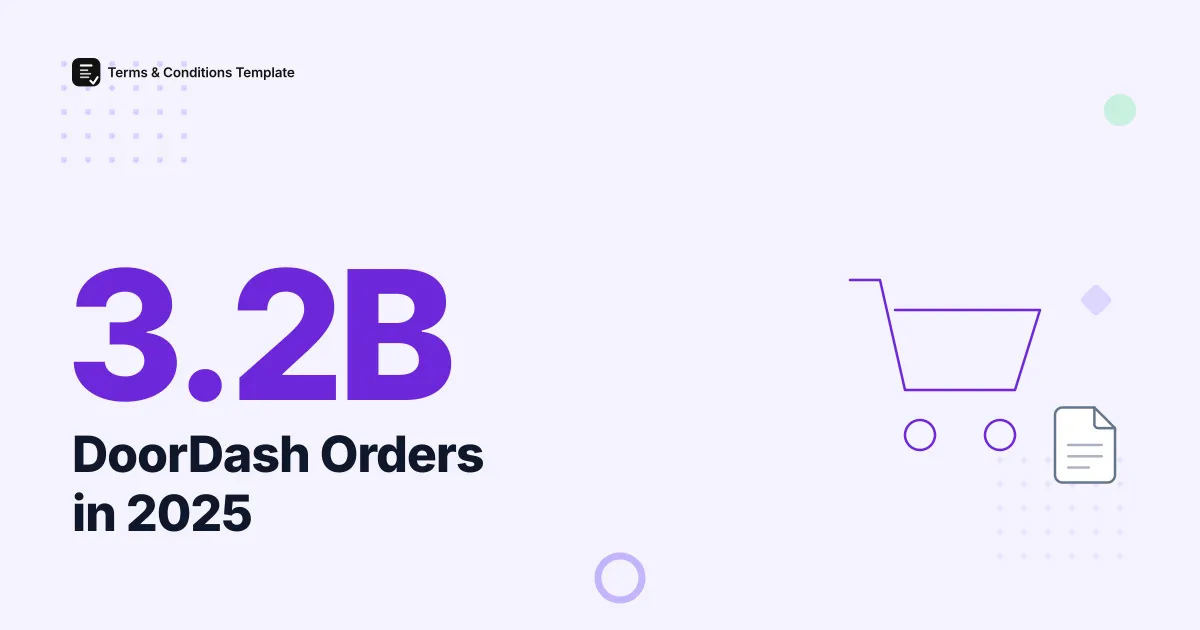
DoorDash's 2025 annual report shows 3.17 billion orders, $102.0 billion in Marketplace GOV and $13.7 billion in revenue. See the margin, the profit swing, and the contractor and arbitration terms the company flags as risks.
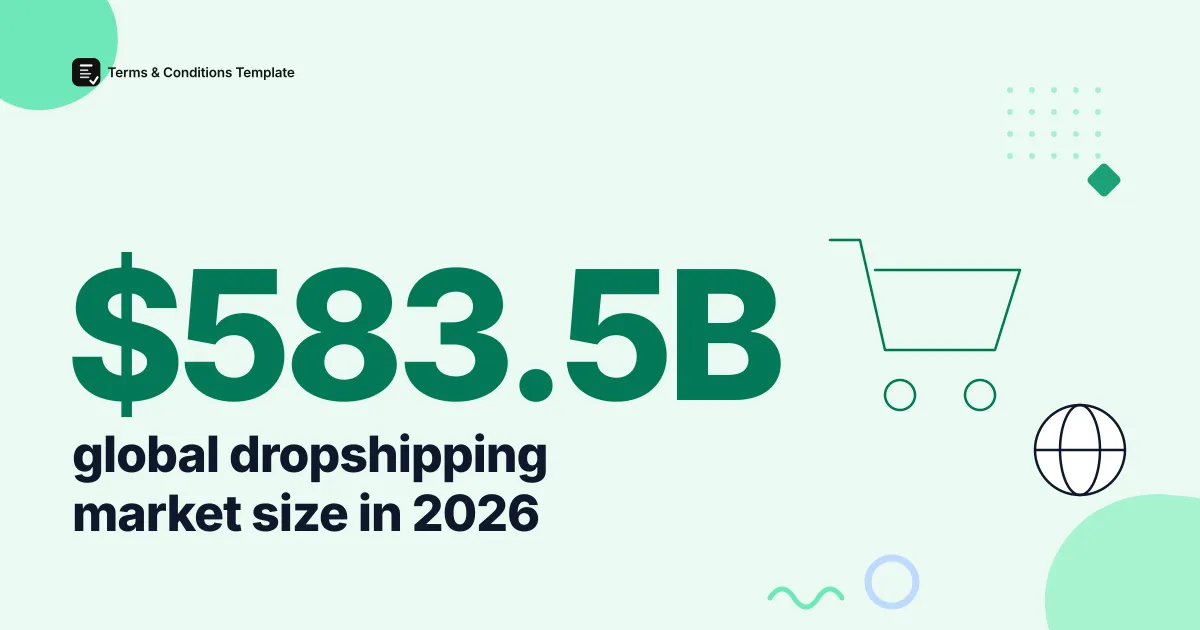
The global dropshipping market is projected at $583.5 billion in 2026, up from $464.4 billion in 2025, according to Grand View Research. See dropshipping margins, category share, and failure-rate data with sourcing caveats.
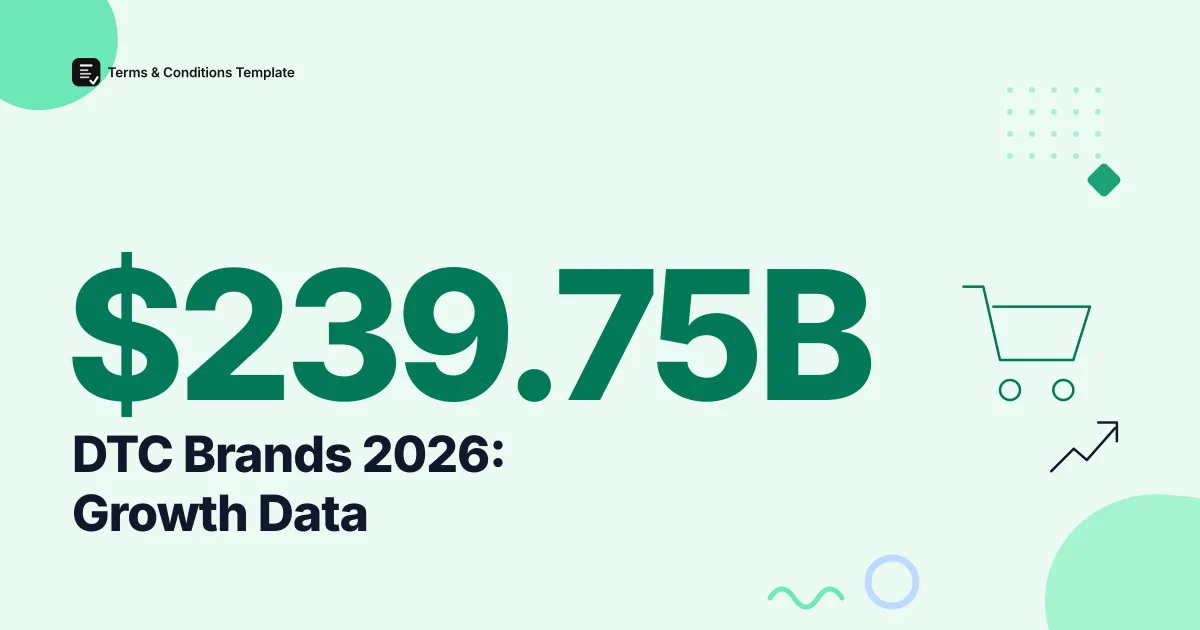
US direct-to-consumer brands generated $239.75 billion in sales in 2025, 19.2% of all US retail ecommerce, according to eMarketer. See DTC growth, margin, and customer acquisition cost data for 2026.
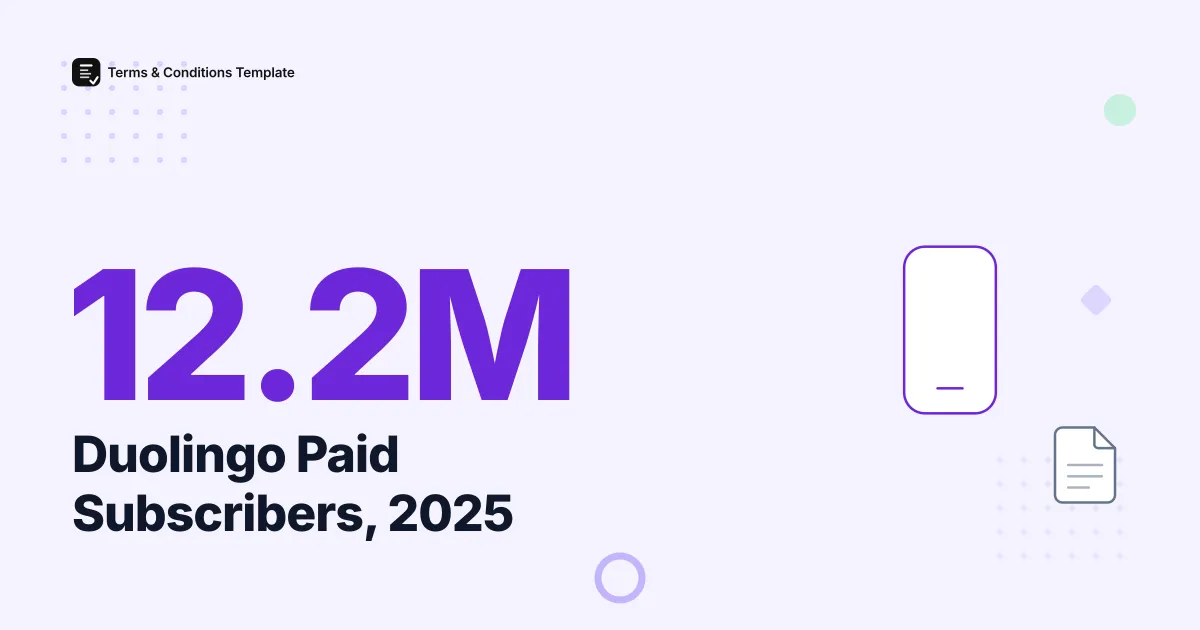
Duolingo's 2025 annual report shows 12.2 million paid subscribers, $1.04 billion in revenue and 133.1 million monthly users in Q4. See how a free app earns, what Apple and Google take, and the auto-renewal law the company flags.
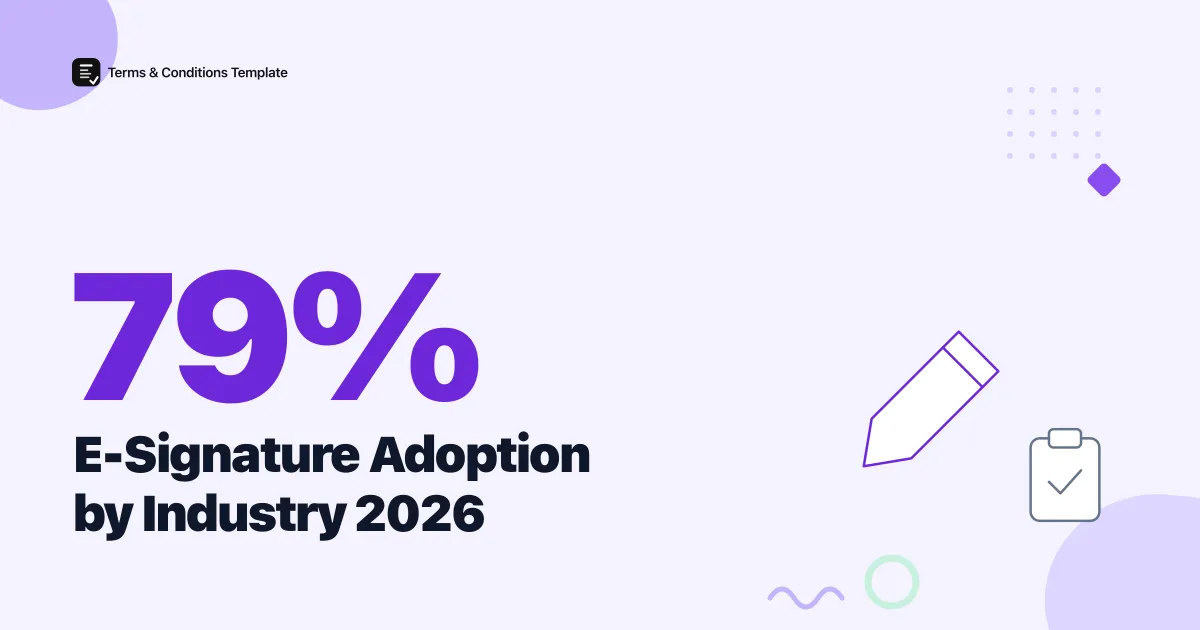
79% of Realtors now use e-signature tools, the most-adopted technology in the profession, according to NAR's 2025 Technology Survey. See 2026 e-signature adoption data for legal, financial services, healthcare, and HR.
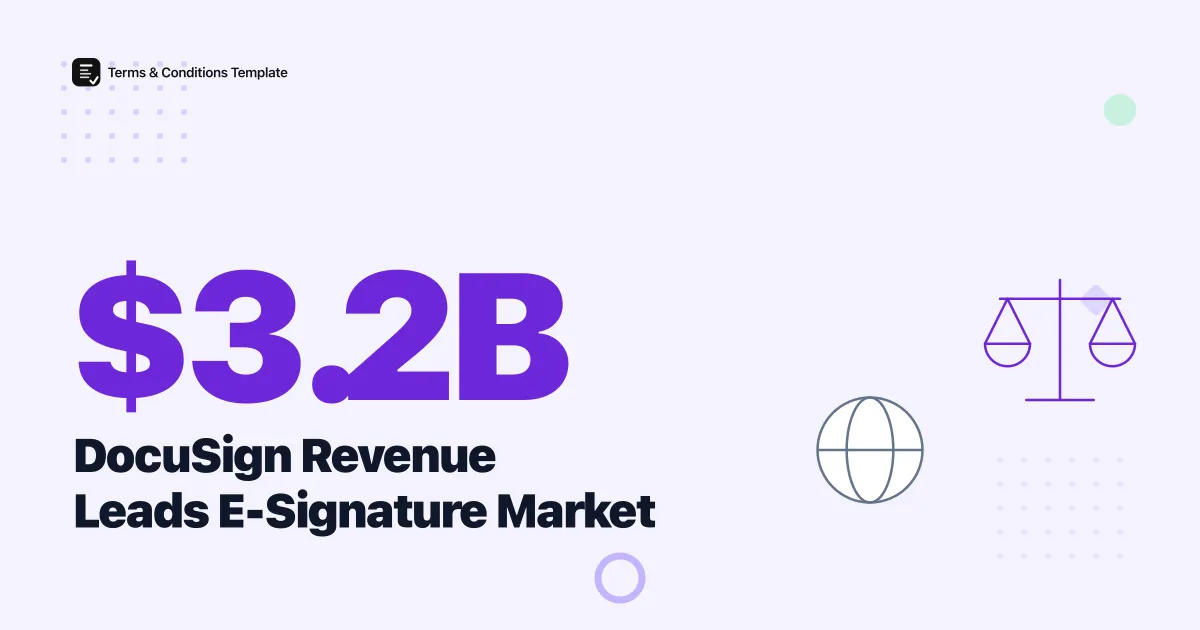
DocuSign's fiscal 2026 revenue hit $3.2 billion, up 8% year over year, according to the company's investor results published in March 2026. Here is the market-size data from independent analysts, plus the ESIGN Act, UETA, and EU eIDAS statutes that make an e-signed contract enforceable.
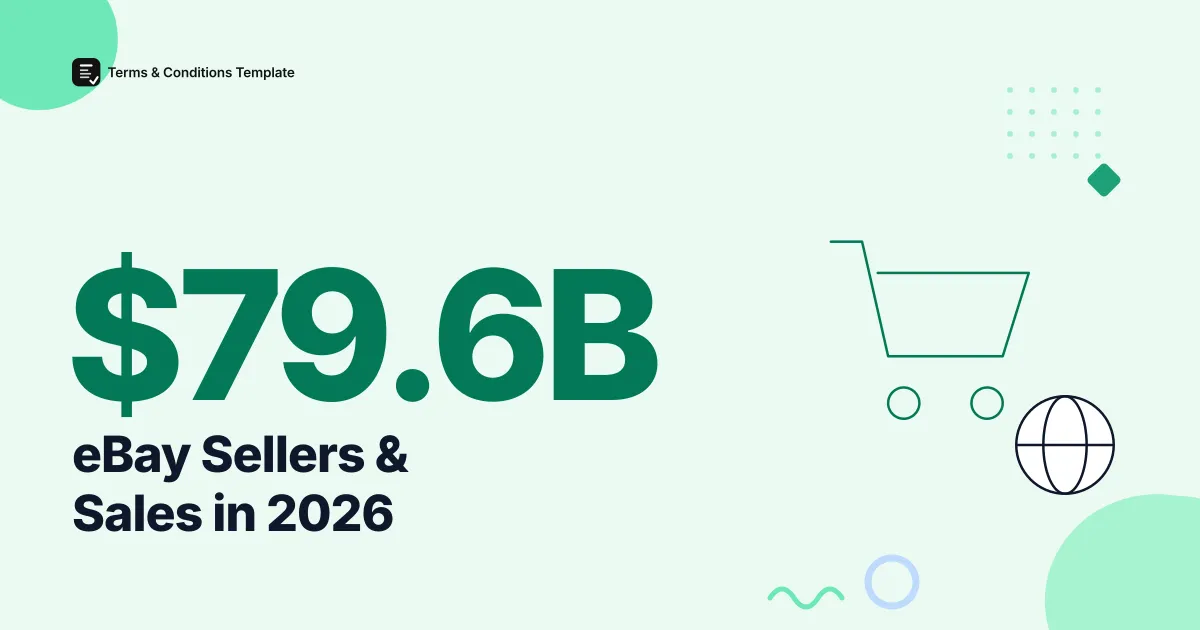
eBay moved $79.6 billion in gross merchandise volume in 2025, per its 10-K and Q4 results, and its Q3 2026 report shows 147 million active buyers. See sales, buyers, fees, and return rules for sellers.
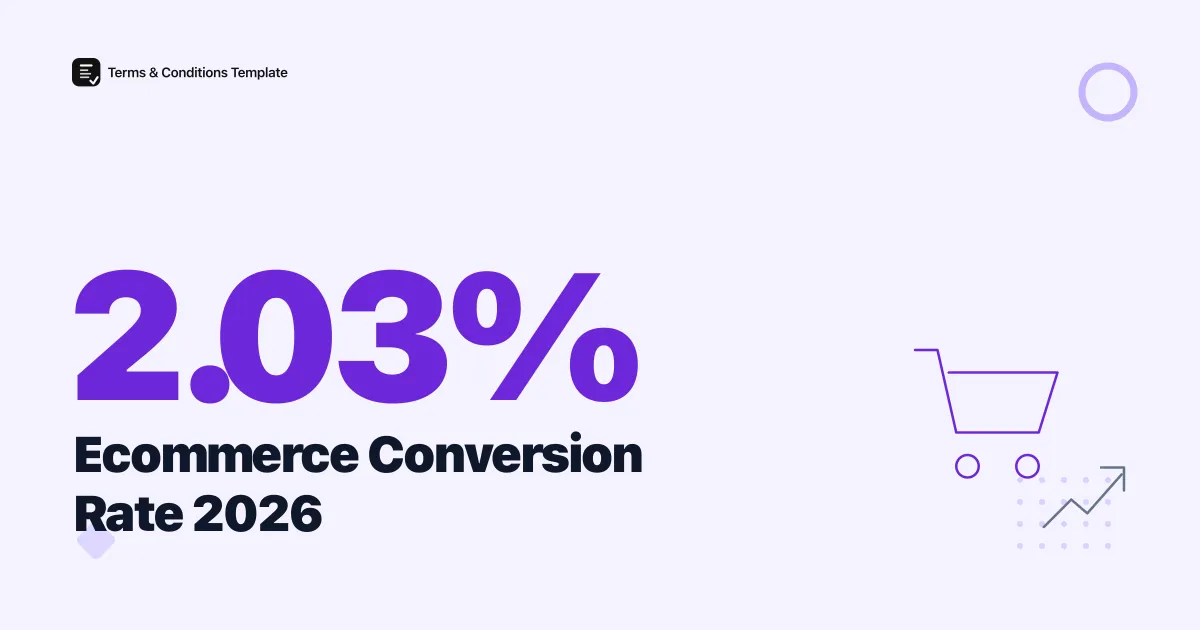
The UK ecommerce conversion rate hit 2.03% in June 2026, up from 1.85% a year earlier, per IRP Commerce's live merchant panel. See conversion rate benchmarks by device, industry, and traffic source for 2026.
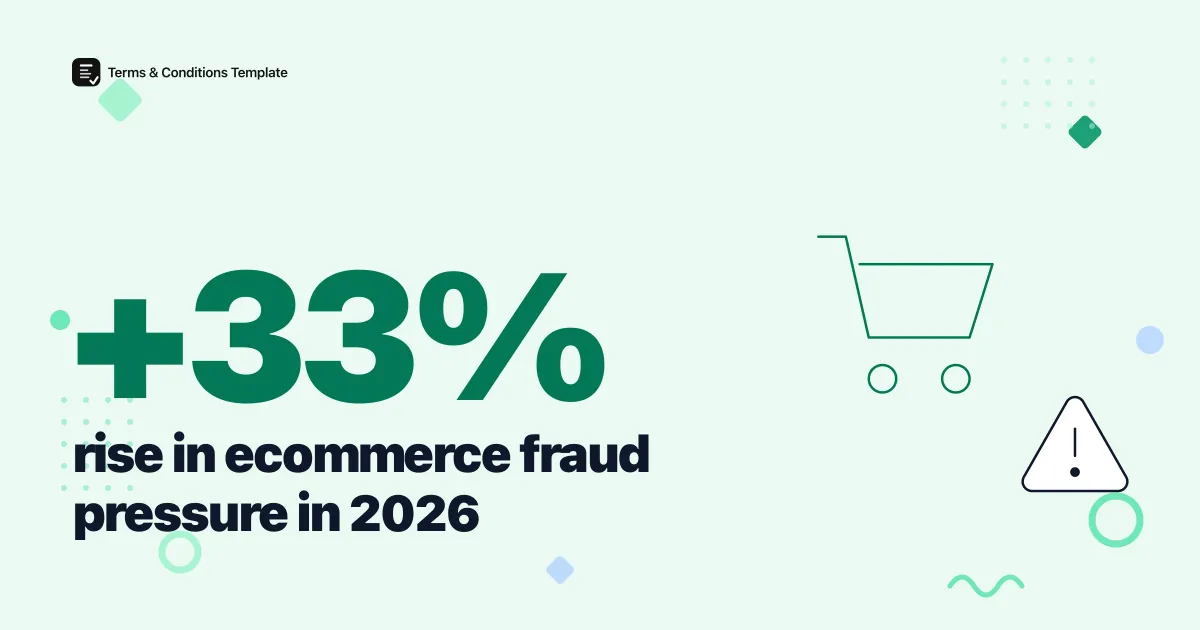
Ecommerce fraud pressure rose 33% year over year in early 2026, per Signifyd's 2026 State of Fraud Report, while global losses head toward $107 billion by 2029 (Juniper Research). See the 2026 data on losses, attack types, and refund abuse.
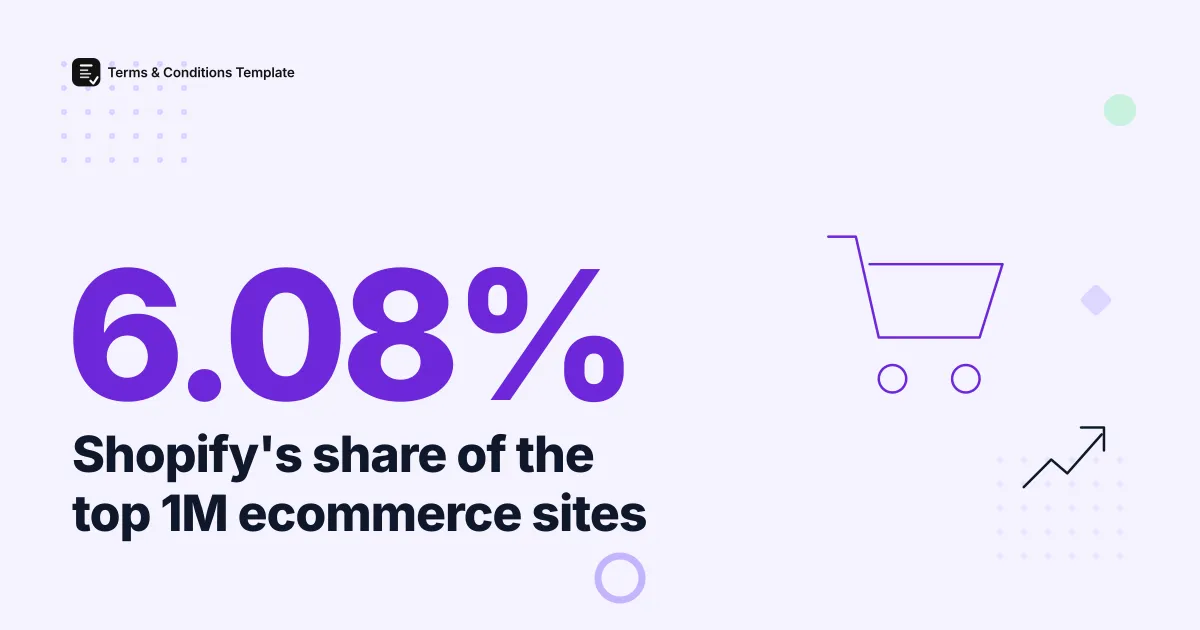
Shopify leads the top 1 million ecommerce sites with 6.08% share, nearly double WooCommerce's 3.12%, per HTTP Archive's May 2026 crawl of 8.9 million sites. See the full ranked platform list, growth trends, and Shopify's $378B GMV.
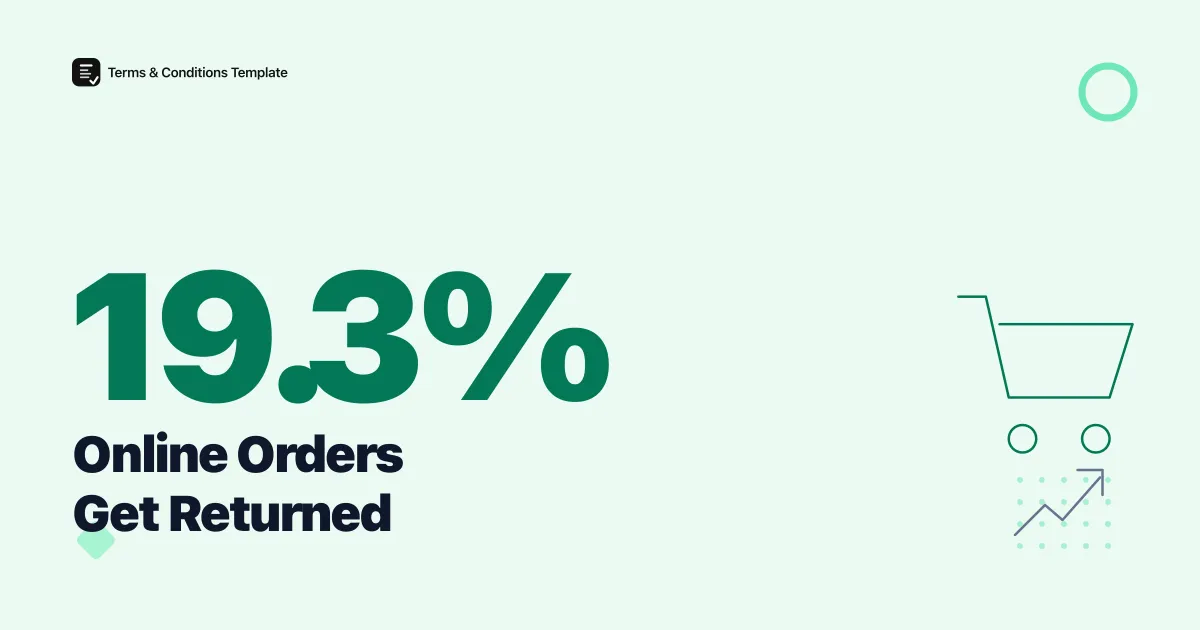
An estimated 19.3% of online sales were returned in 2025, according to the National Retail Federation and Happy Returns. See return rate benchmarks by category, cost, and fraud for 2026.
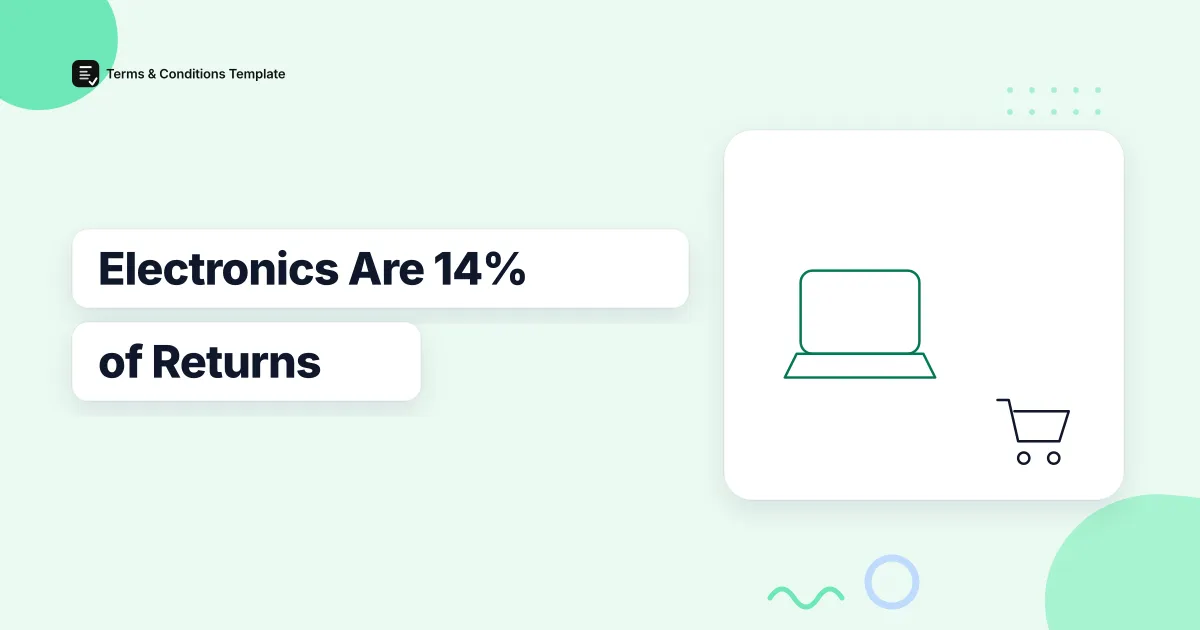
Electronics accounted for just 14% of all product returns in 2024, far below fashion's 62% share, according to Loop Returns' State of Returns report. See why no major 2025 survey publishes a national electronics return rate, plus fraud and benchmark data for 2026.
The clauses every employment contract needs: at-will terms, compensation, IP assignment, and termination, plus how they change for exempt and contract-term hires.
Why an offer letter alone doesn't cover IP assignment, non-solicitation, or termination terms, and when a business needs a full employment contract instead.
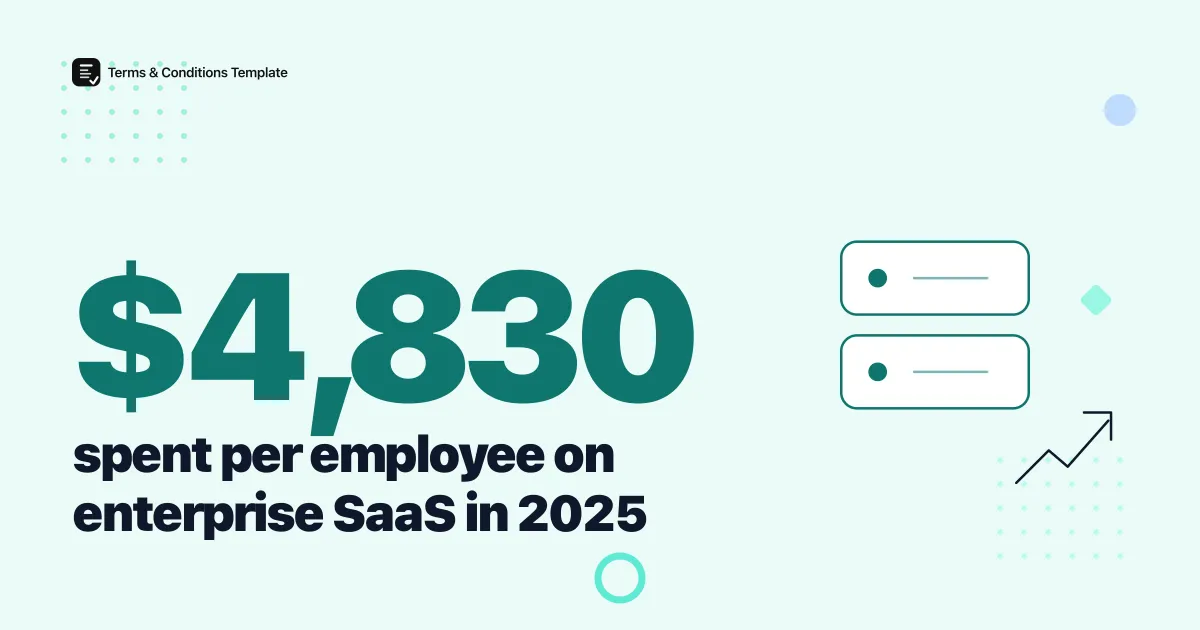
Companies spent $4,830 per employee on SaaS software in 2025, up 21.9% year over year, according to Zylo's 2025 SaaS Management Index (40 million-plus licenses, $40 billion in tracked spend). See how enterprise software spend and seat counts scale by company size in 2026.
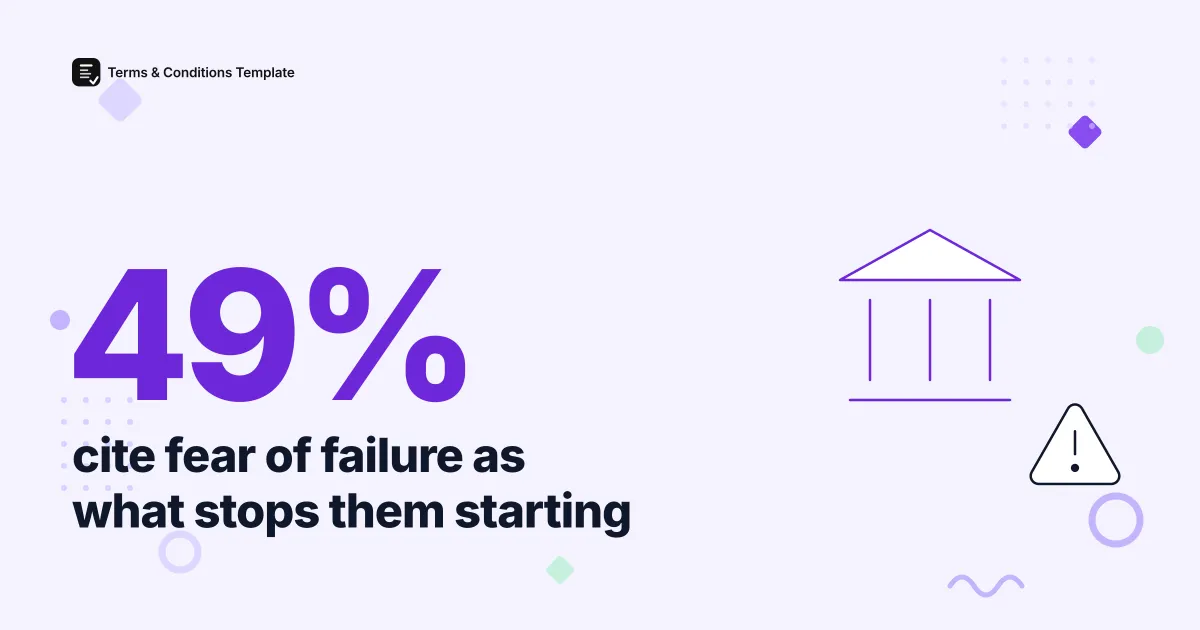
49% of adults who see a good business opportunity say fear of failure stops them from starting, up from 44% in 2019, according to the Global Entrepreneurship Monitor's 2024/2025 report. See global entrepreneurship benchmarks for 2026.
Etsy reported 5.6 million active sellers and $11.92 billion in consolidated gross merchandise sales for 2025, according to Etsy Inc.'s official Q4 and full-year results. See seller, buyer, fee, and return-policy data for 2026.
The European Commission's 2024 Fitness Check sweep of digital subscription traders found only 54% gave information on the 14-day withdrawal right. See the EU withdrawal rules, the problems consumers report, and what changed in June 2026.
The EU AI Act is now in force. If your product uses AI features, your privacy policy needs to say so. Here's exactly what to add, with real examples from OpenAI, GitHub Copilot, Canva, and Figma.
A browser extension has no installer, no license key, and no separate acceptance click, the permission dialog itself is often the only consent moment a user sees. Here is what a browser extension EULA needs to cover.
What a mobile app EULA must cover for App Store and Google Play compliance, and how it differs from the desktop and browser-extension EULAs already covered.
A desktop application involves a real installer, a local license key, and files left behind after uninstall, none of which a web app or mobile EULA has to address. Here is what a desktop EULA needs to cover.
Why a downloadable SDK needs an EULA while a hosted API needs terms of service instead, and what changes in the license grant when there's no installed software.
An EULA restricts what an individual end user can do with your software. A Software License Agreement structures a negotiated commercial deal. Here is how to tell which one you need.
Understand the difference between an End-User License Agreement (EULA) and Terms and Conditions; and which one your app or website needs.
The high-risk-asset and 'not investment advice' language a crypto or trading-education creator's financial disclaimer needs beyond a standard investment blog's.
What a financial disclaimer needs to cover for investment blogs and newsletters, and why it is not the same thing as an affiliate or paid-content disclosure.
71% of brands, agencies, and publishers are now growing their first-party datasets, nearly double the 41% rate from two years earlier, according to the IAB's State of Data 2024 survey of 500+ decision-makers. See the 2026 data on first-party cookie usage and growth.
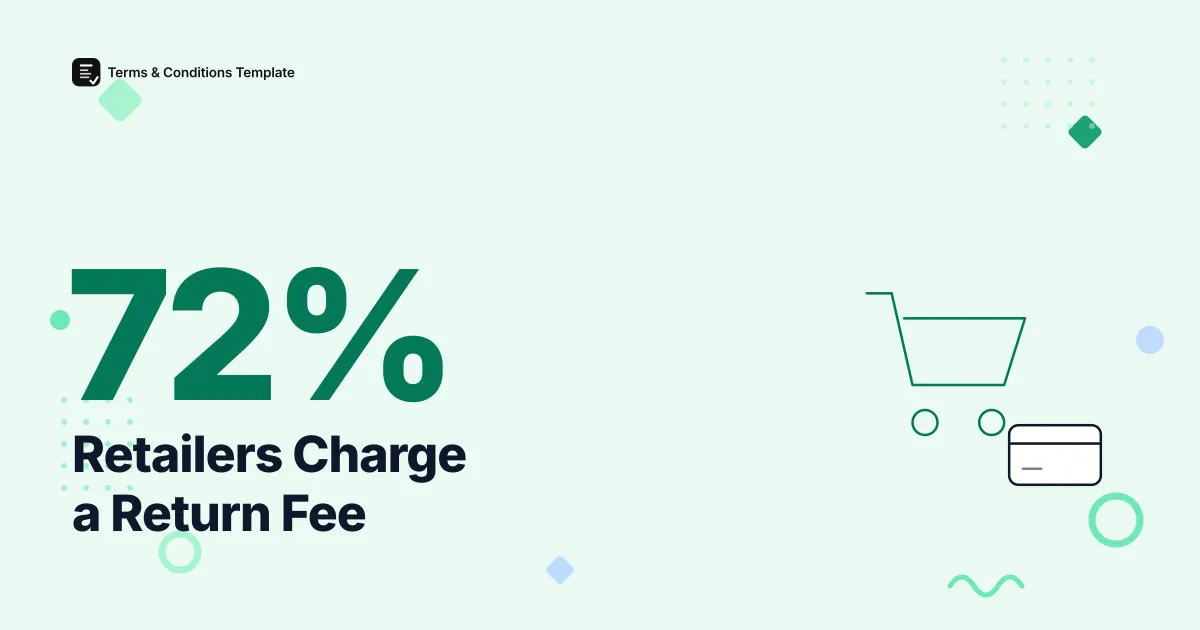
72% of US retailers charged a fee on at least one type of return in 2025, up from 66% in 2024, according to the National Retail Federation and Happy Returns. See who still offers free returns and how shoppers are reacting.
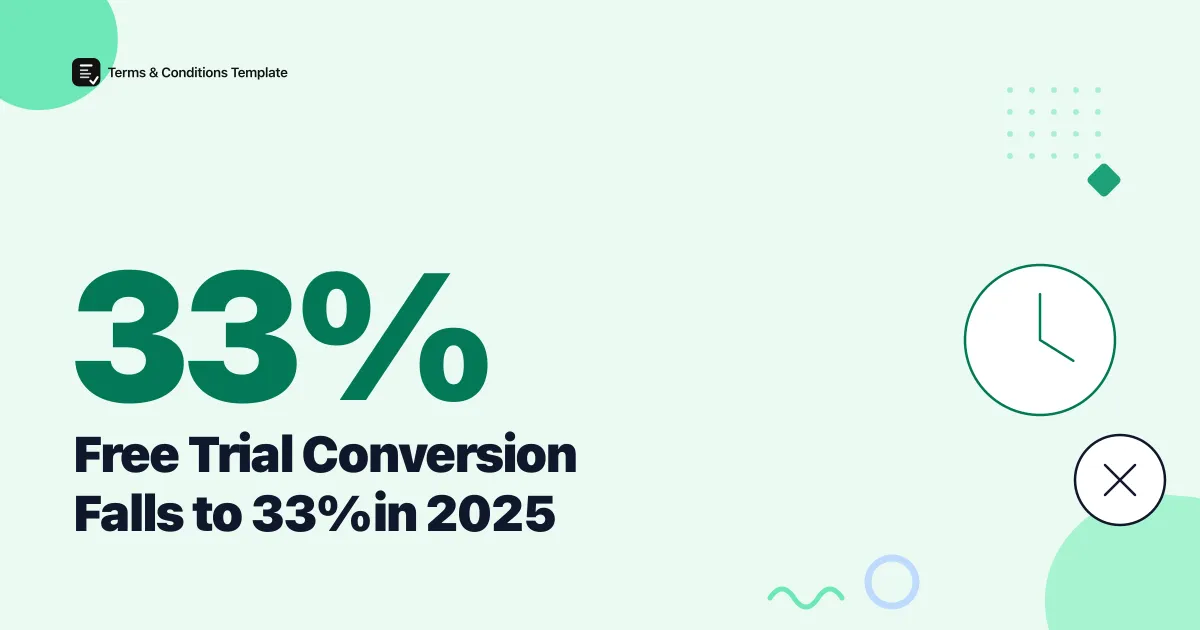
Free trial to paid conversion fell from 46% in 2021 to 33% in 2025, according to Recurly's subscriber acquisition benchmarks covering 67 million unique subscribers. See conversion by category, trial length, and cancellation timing.
The scope, payment, kill fee, and IP transfer language a freelance contract needs to stop scope creep and unpaid invoices before they happen.
The control, payment, and IP-ownership terms that separate an independent contractor agreement from an employment contract, and the misclassification risk of blurring them.
Freelancers charge a typical $39 an hour in 2026 in the US, per Upwork's own rate guide, while the global average sits closer to $28, per Payoneer. See rates by skill, region, and the AI premium.
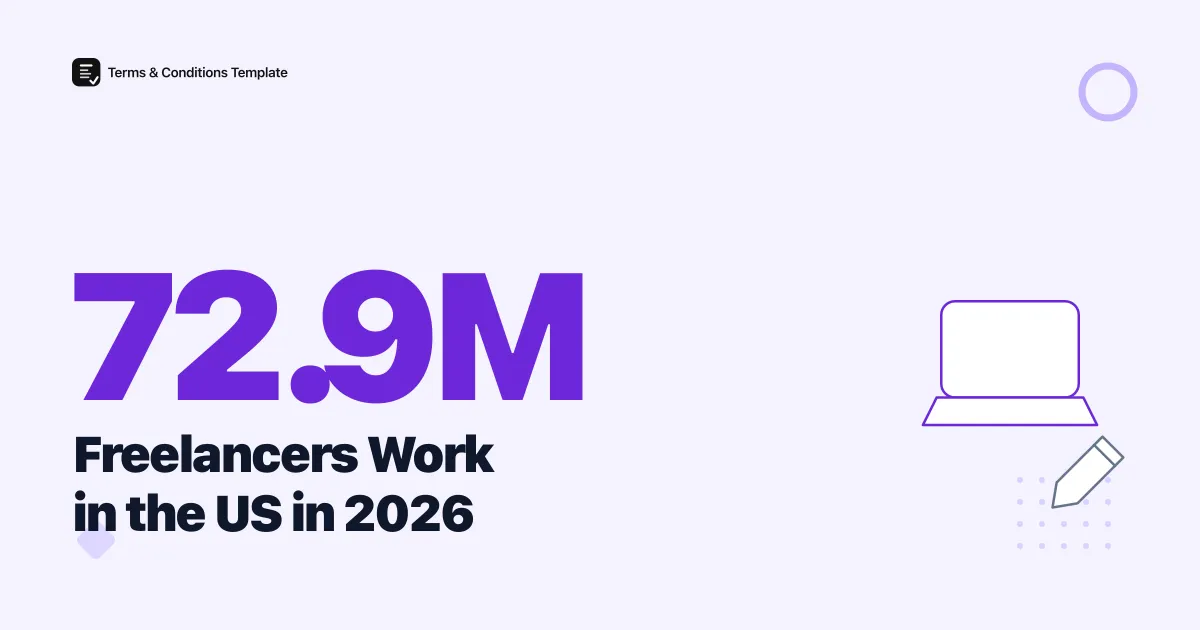
72.9 million people freelanced independently in the US in 2025, per MBO Partners' 15th annual State of Independence report, while Upwork found 1 in 4 skilled knowledge workers now freelance, generating $1.5 trillion in 2024 earnings.
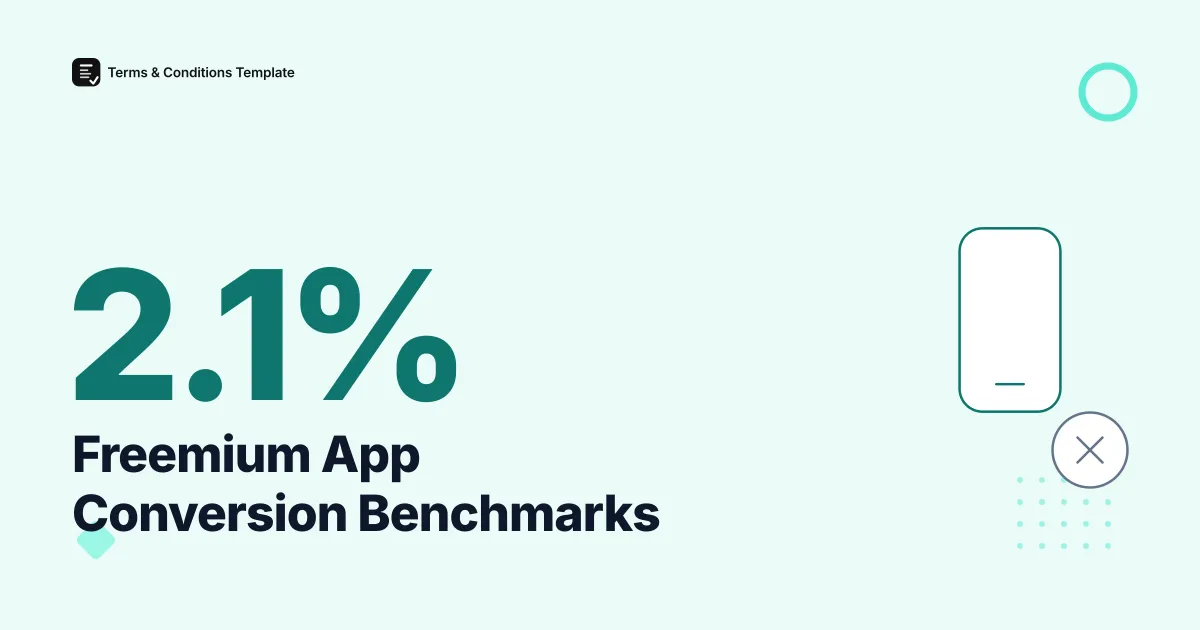
Freemium apps convert just 2.1% of downloads to paid by day 35 in 2026, versus 10.7% for hard-paywall apps, per RevenueCat. See revenue-per-install, category, and year-over-year conversion benchmarks.
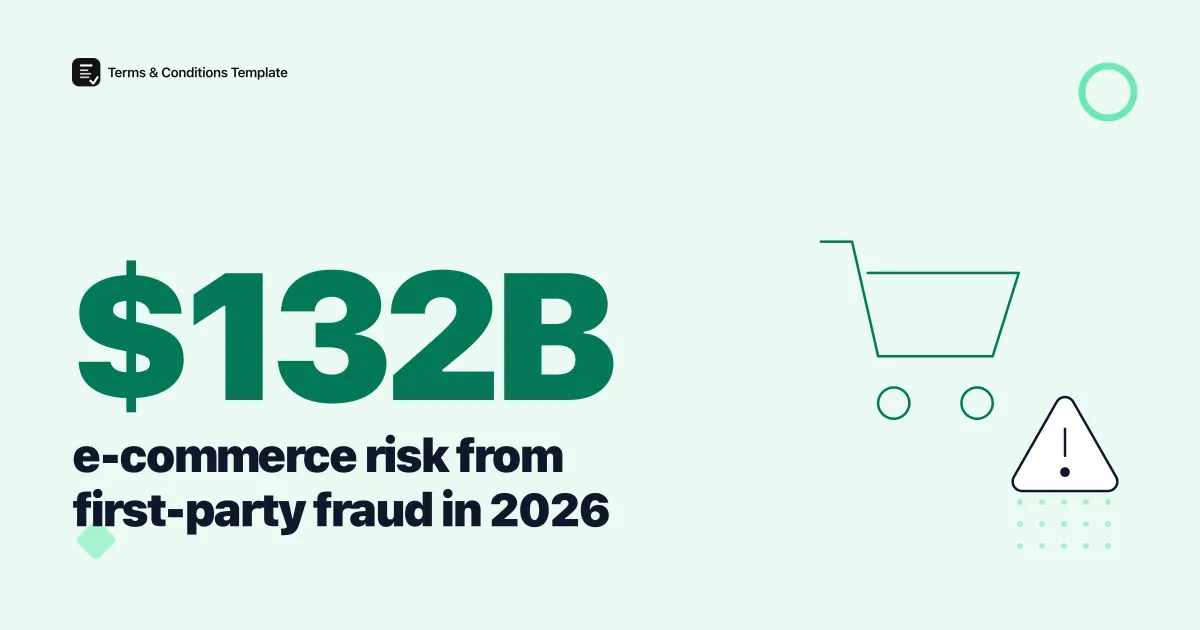
First-party fraud now puts $132 billion of e-commerce revenue at risk, according to Sift's Q4 2025 Digital Trust Index, based on an October 2025 survey of 1,075 US adults. Here is the 2025-2026 data on who commits it, where they learn it, and what it costs afterward.
On October 28, 2026 the FTC issued Section 6(b) study orders to nine companies about personalized pricing and worker pay. It is a study, not a rule. Here is what it means for the pricing language in your terms and conditions.
The FTC finalized its order against TruHeight (Vanilla Chip LLC) on July 15, 2026, over unsubstantiated height-growth claims and fake reviews. Here is what the order actually requires and what it means for health-claim disclaimers.
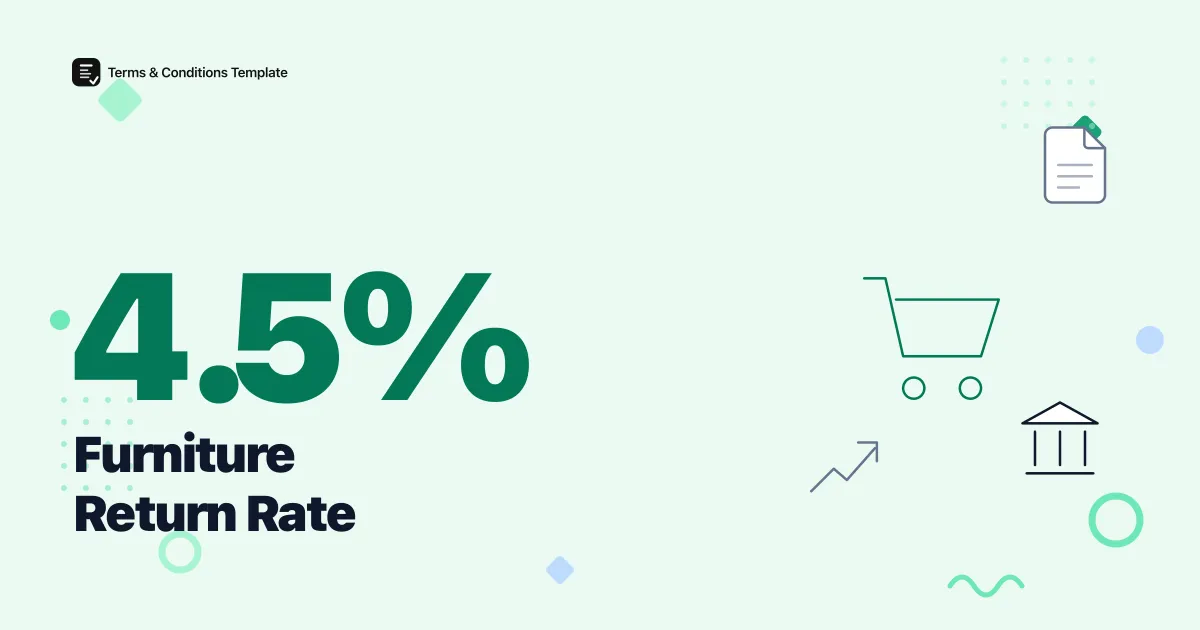
RH's actual furniture returns totaled 4.5% of net revenue in the fiscal year ended January 31, 2026, per its SEC 10-K filing, with Wayfair reporting a comparable 5.9% for calendar 2025, both far below the 19.3% blended online retail return rate.
48% of the web's 250 most-visited sites have at least one Google Consent Mode misconfiguration in 2026, per Privado AI's June 2026 audit. See the rollout timeline, EEA enforcement rules, and the conversion data impact.
A complete guide to what your Privacy Policy must contain under the EU General Data Protection Regulation (GDPR) in 2026.
US shoppers are expected to spend $29 billion on gift cards this holiday season, per the NRF, while 43% of Americans currently hold an unused gift card worth an average $244. See sales, unspent value, and breakage data.
20% of US adults performed gig work in the month before being surveyed in October 2024, according to the Federal Reserve's SHED survey (n=12,295), published in May 2025, up from 16% in 2021. See the 2026 data on who does gig work, how big the broader independent workforce is, and what businesses hiring gig talent need in writing.
Google Pay processed 34.6% of India's UPI transaction volume in July 2026, per NPCI's monthly data, while just 17% of US consumers use Google Wallet, according to Worldpay's Global Payments Report 2026. See Google Pay's global user and usage data for 2026.
Google rejected 1.75 million apps from Google Play in 2025 for policy violations, down 26% from 2.36 million in 2024, per Google's own annual security report. See why apps get rejected, how the rate has moved since 2023, and what changes in 2026.
Consumers spent $49.2 billion on Google Play in 2025, up 13% year over year, according to Business of Apps and Sensor Tower data. See app counts, download totals, rejection numbers, and category revenue for 2026.
Google's court-ordered Play Catalog Access and Third-Party App Store on Play programs went live July 22, 2026, after Epic and Google withdrew their injunction-modification request on July 15. Here is what changed and what it means for an app's EULA.
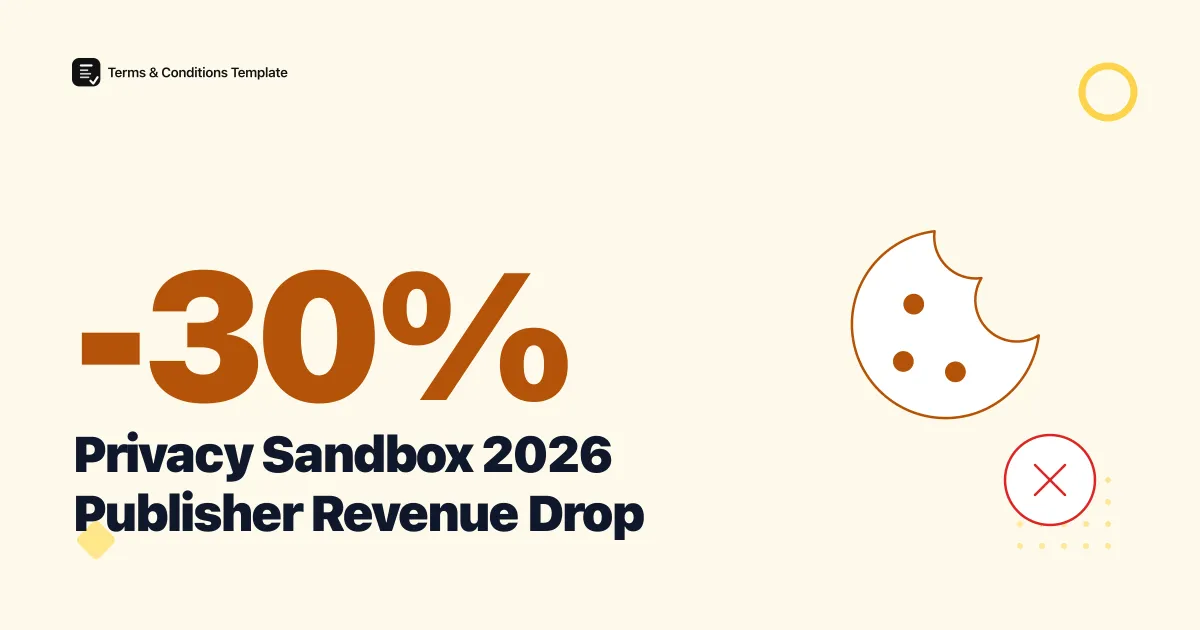
Publisher revenue per impression fell a median of 30% when third-party cookies were replaced with Google's Privacy Sandbox tools, per the UK Competition and Markets Authority's June 2025 testing report. Google retired 10 of the 13 technologies in October 2025, citing low adoption.
How to draft a governing law clause and pair it with the right dispute resolution method, litigation or arbitration, including which state's law to pick and why that choice is not automatic.
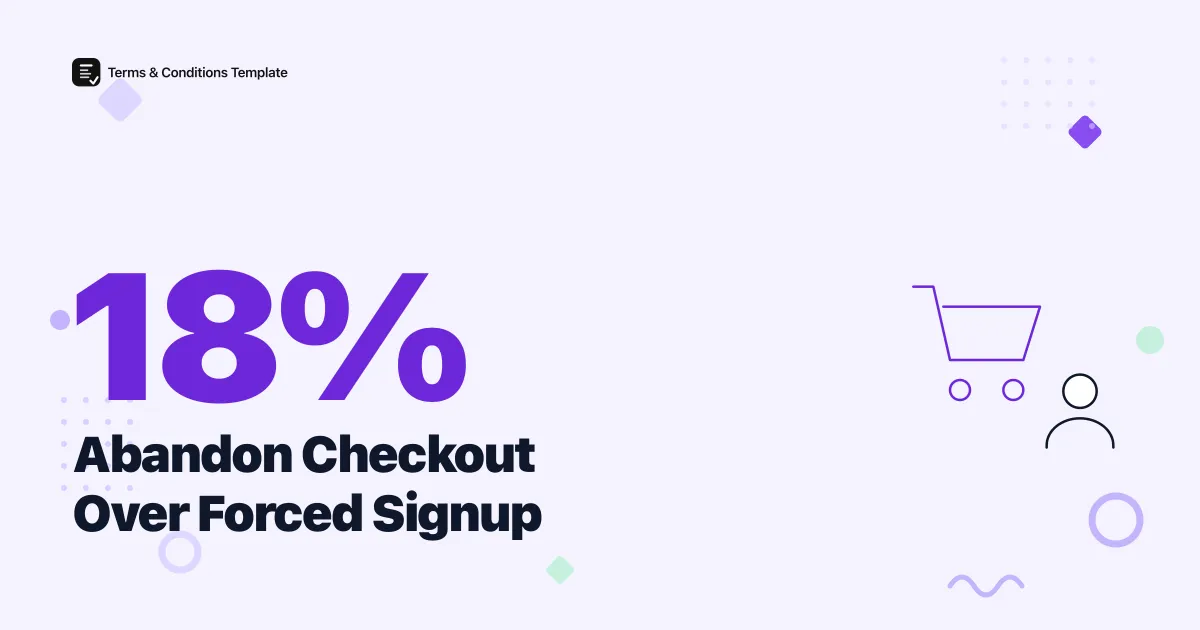
18% of shoppers who abandon checkout say it's because the site required them to create an account, per Baymard Institute's cart abandonment reasons research, last updated September 2025. See how guest checkout availability changes that outcome.
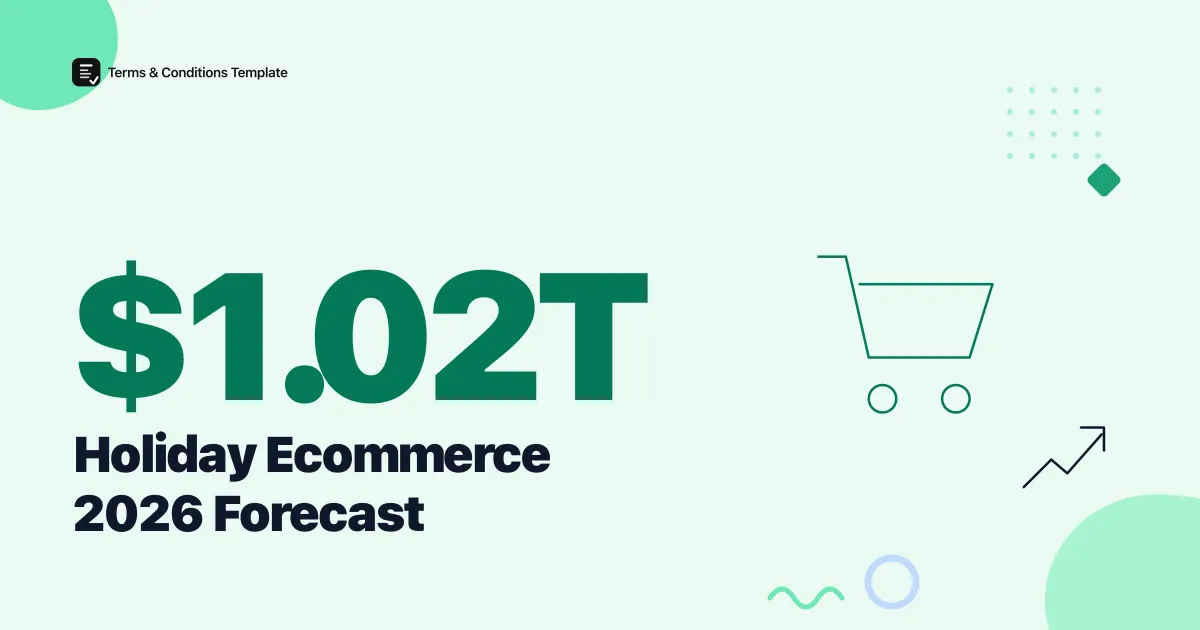
US holiday retail sales are forecast to reach $1.01 trillion to $1.02 trillion for the November-December 2025 season, the first time the season has been projected to cross $1 trillion, according to the National Retail Federation. See the online sales, single-day, payment, and return forecasts feeding into 2026 planning.
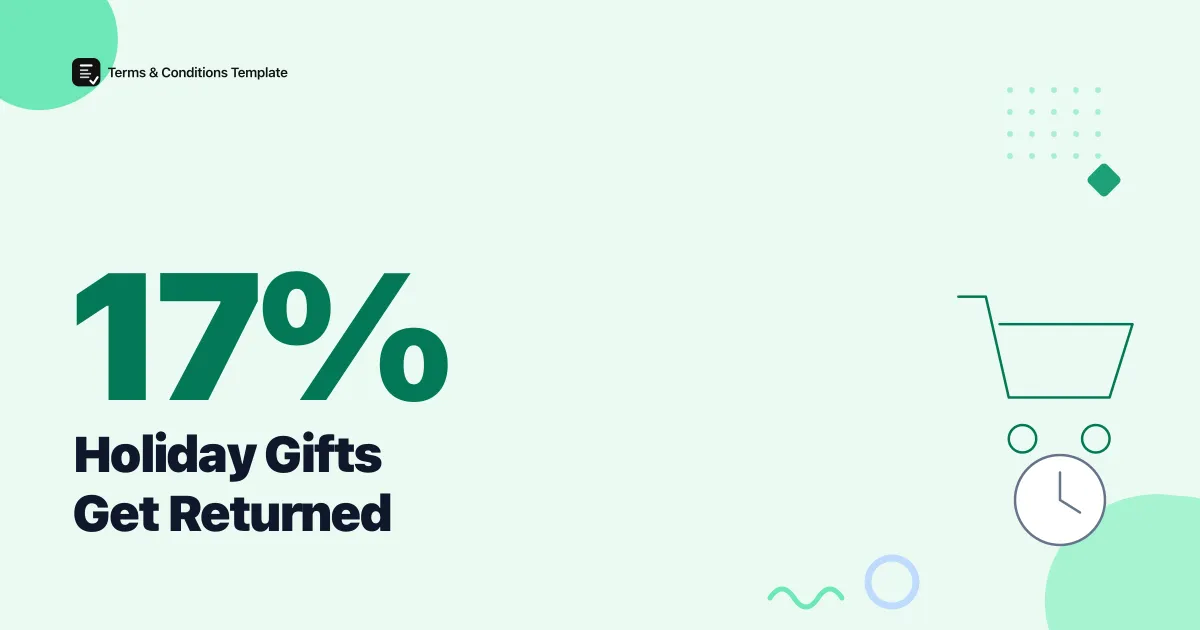
17% of holiday sales were expected to be returned in the 2025 season, according to NRF and Happy Returns' 2025 Retail Returns Landscape report (2,006 consumers, 358 retailers). See post-Christmas return rates, fraud data, and what shoppers want from a return policy.
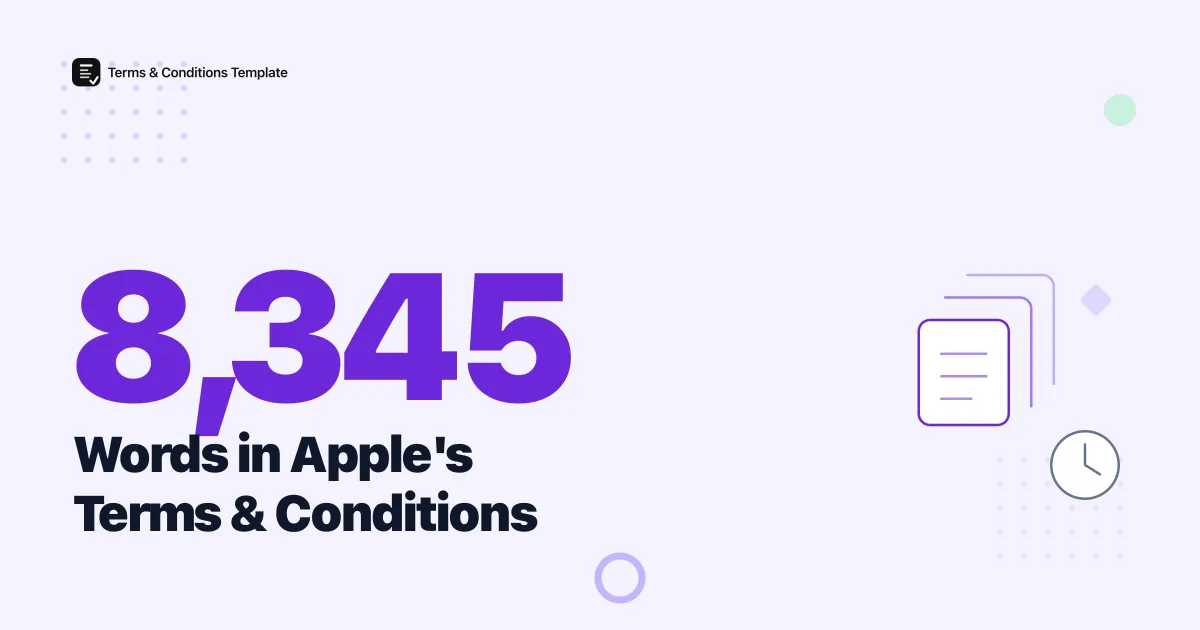
Apple's Media Services Terms and Conditions run 8,345 words as of 2026, a 34.8-minute read at 240 words per minute, per a direct word count of Apple's published agreement. See how that compares to Apple's Developer Program License Agreement and other major tech platforms.
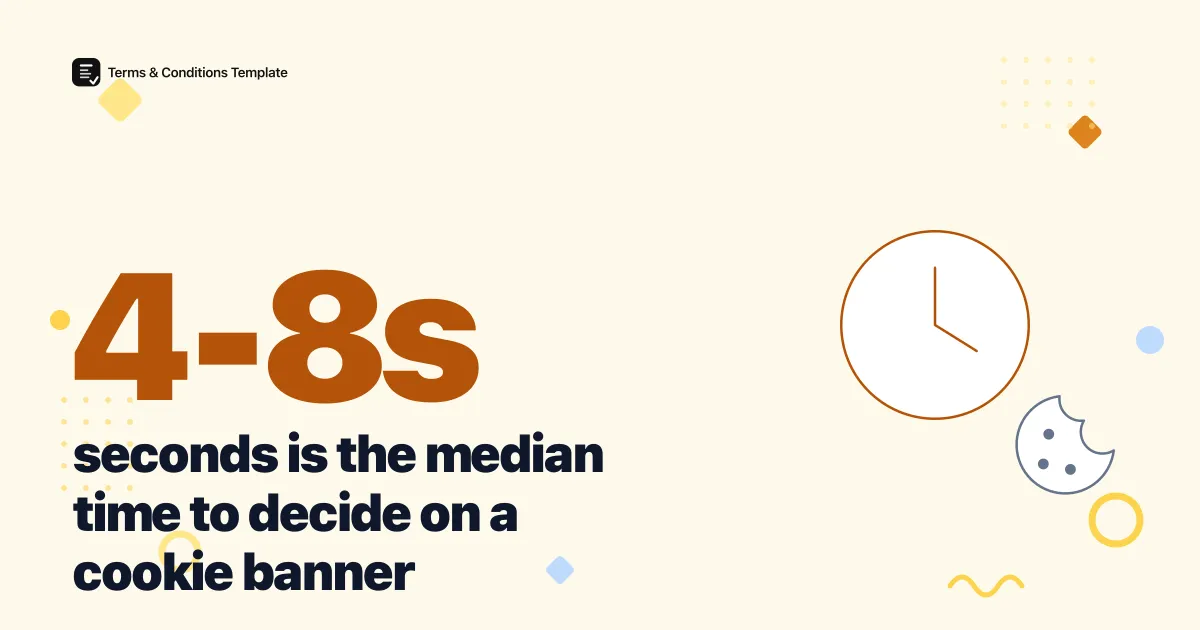
Website visitors decide on GDPR cookie banners in a median of 4 to 8 seconds, per a field study of 82,890 real visitors published at ACM CCS 2019. Here is what the timing data says about attention, defaults, and consent quality.
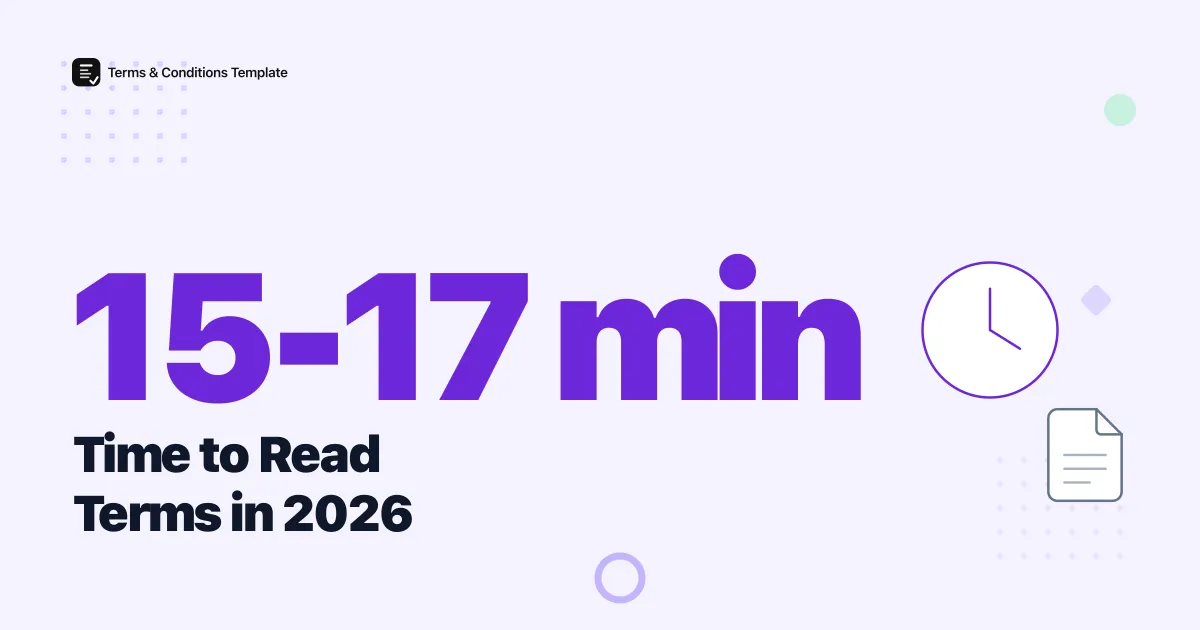
It takes 15 to 17 minutes to read the average terms of service document at normal adult reading speed, but people spend just 51 seconds on it, per a peer-reviewed 2020 study (n=543). See 2026 data on reading time by industry, company, and reading speed.
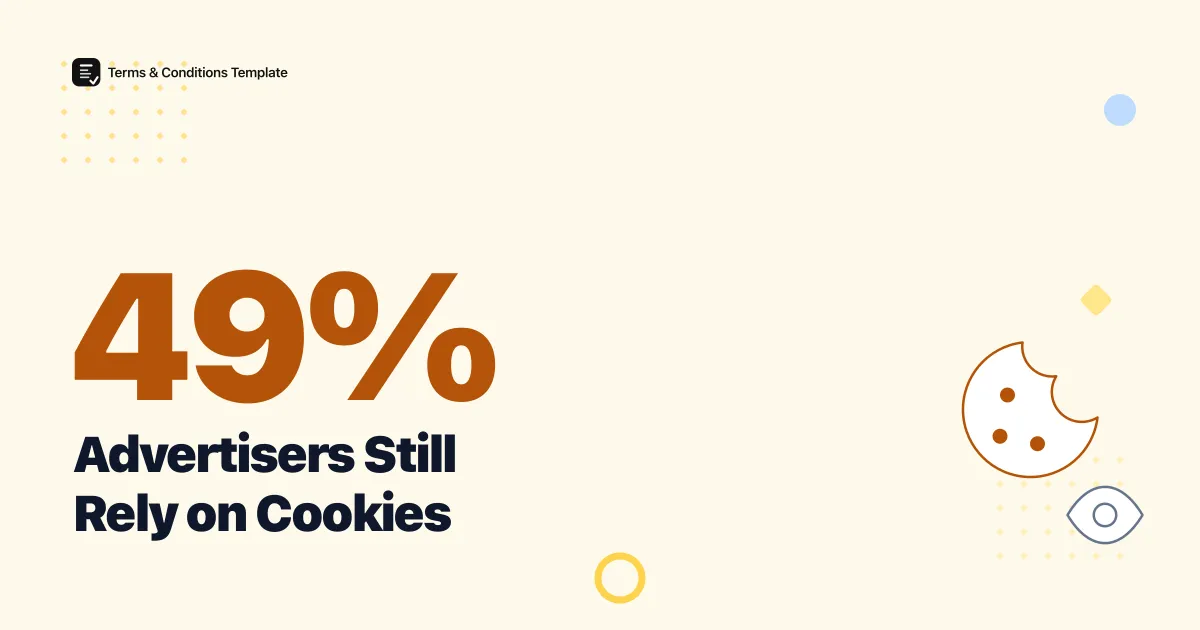
49% of marketers say their marketing strategy still depends on third-party cookie data, per Adobe's 2024 global survey of 2,841 marketers across seven countries. See advertiser reliance, budget share, and readiness data going into 2026.
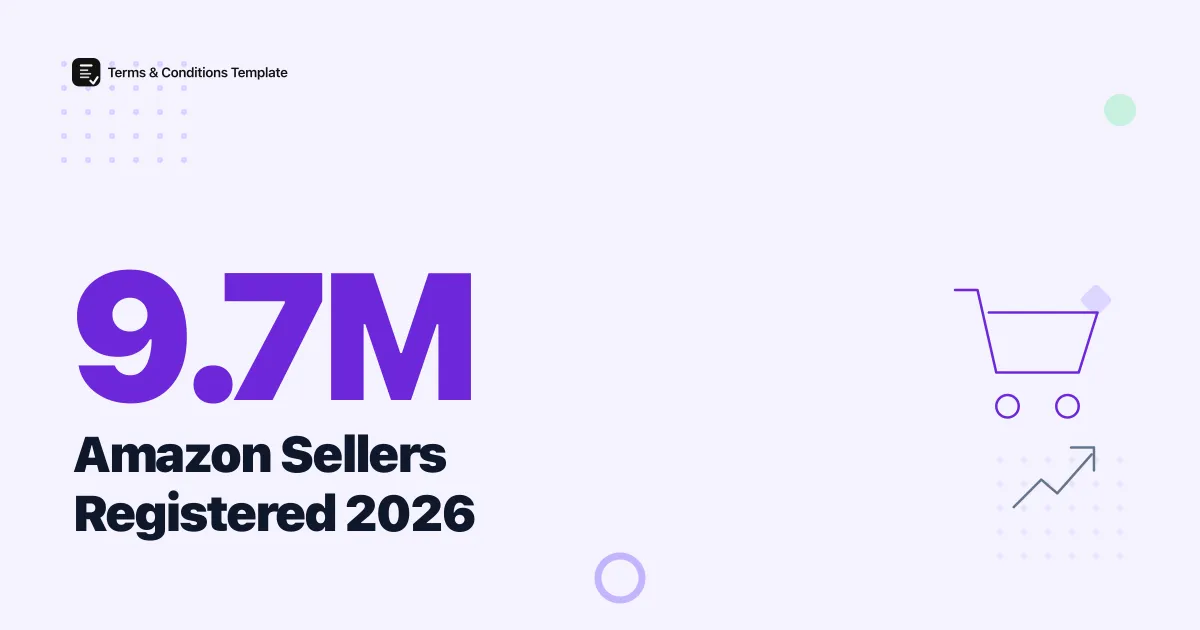
Amazon has roughly 9.7 million registered seller accounts worldwide, but Marketplace Pulse counts only 1.65 million as genuinely active at the end of 2025, down from 2.4 million in 2021. See the full 2026 breakdown by country, fulfillment method, and revenue tier.
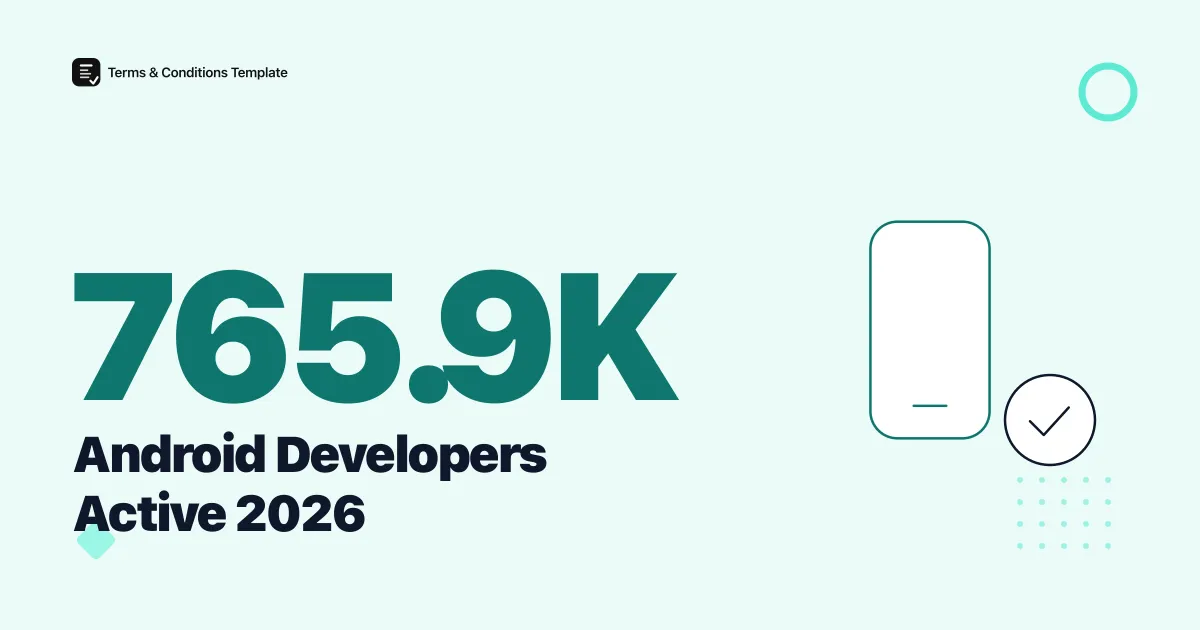
765,900 developer accounts are actively publishing apps on Google Play as of July 28, 2026, according to 42matters' live catalog tracker. See how that compares to Kotlin adoption, Apple's App Store, and the wider global developer population.
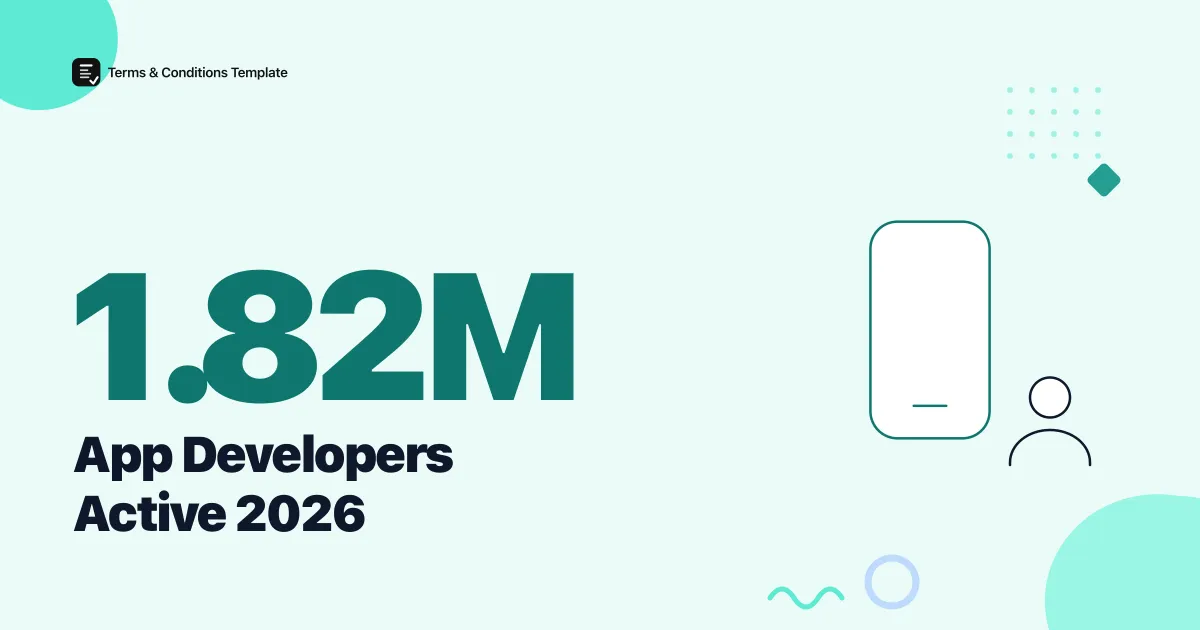
1.82 million developer accounts are actively publishing apps across the Apple App Store and Google Play combined as of July 2026, per 42matters, while Apple separately counts 34 million registered developers company-wide. See the full 2026 breakdown by store, source, and output per developer.
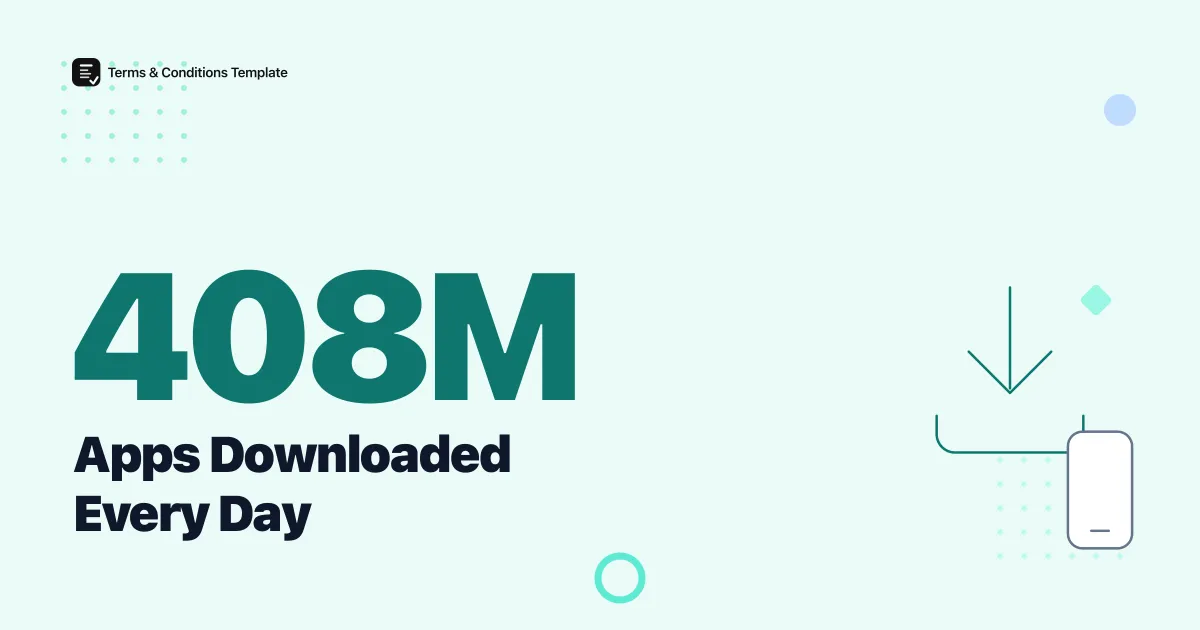
An average of 408 million apps are downloaded every day, based on Sensor Tower's count of 149 billion combined Apple App Store and Google Play downloads in 2025. See the daily download trend since 2023, new-app publishing rates, and how download growth compares to spending in 2026.
Google Play carries 1.91 million apps as of July 2026, according to AppBrain's live tracker, down 59% from its 4.67 million peak in late 2021. See the 2026 app count by tracker, category, and Google's own removal data.
The Apple App Store carried 2,488,542 apps as of July 25, 2026, per 42matters' live tracker, and developers added nearly 560,000 new apps in the first half of 2026 alone. See the current count, the growth surge, and how the total has changed since 2008.
The average smartphone owner uses 9 apps a day and 30 apps a month, per comScore's 2017 U.S. Mobile App Report, still the most recent large-scale measurement of this exact figure. See how that compares to 2026's 2.49 million-app App Store.
An estimated 614 million websites run on WordPress in 2026, calculated from Netcraft's 1.49 billion total-site count (June 2026) and W3Techs' 41.2% WordPress market share (July 2026). See the 2026 data on blog counts, publishing volume, and why no tracker publishes one official number.
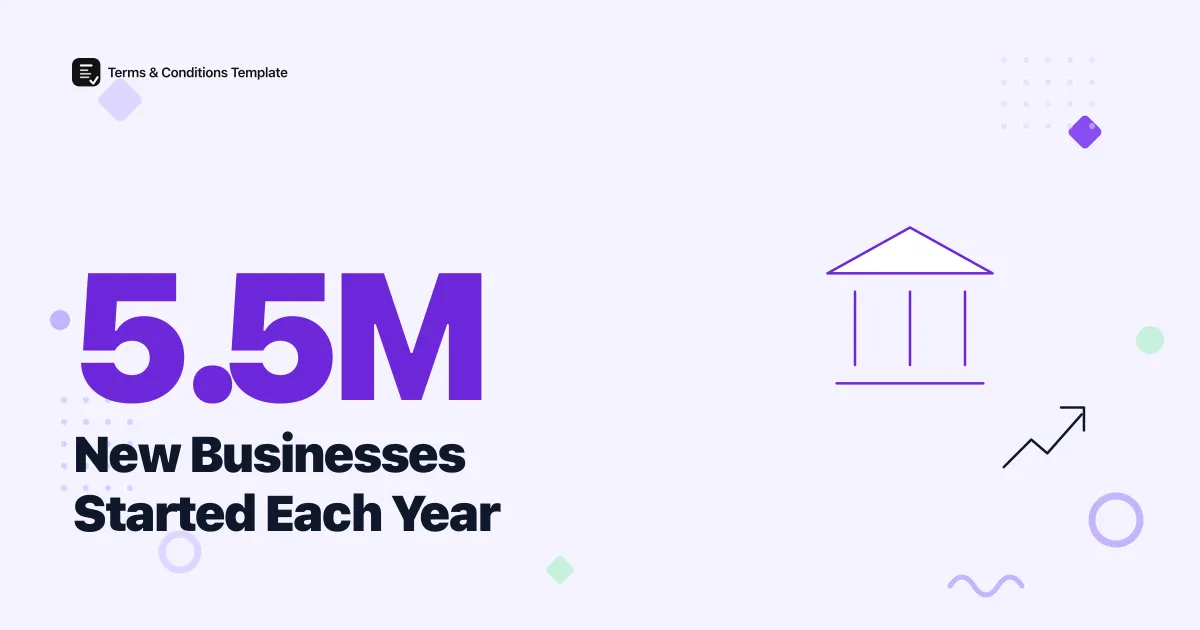
A record 5.5 million new business applications were filed with the US Census Bureau in 2023, and monthly filings have stayed near that pace since. Here is what the formation, survival, and international data show in 2026.
Goldman Sachs Research counts 50 million professional and semi-professional content creators worldwide in 2026, while Linktree's broader estimate puts the total closer to 200 million. See where each count comes from, platform by platform.
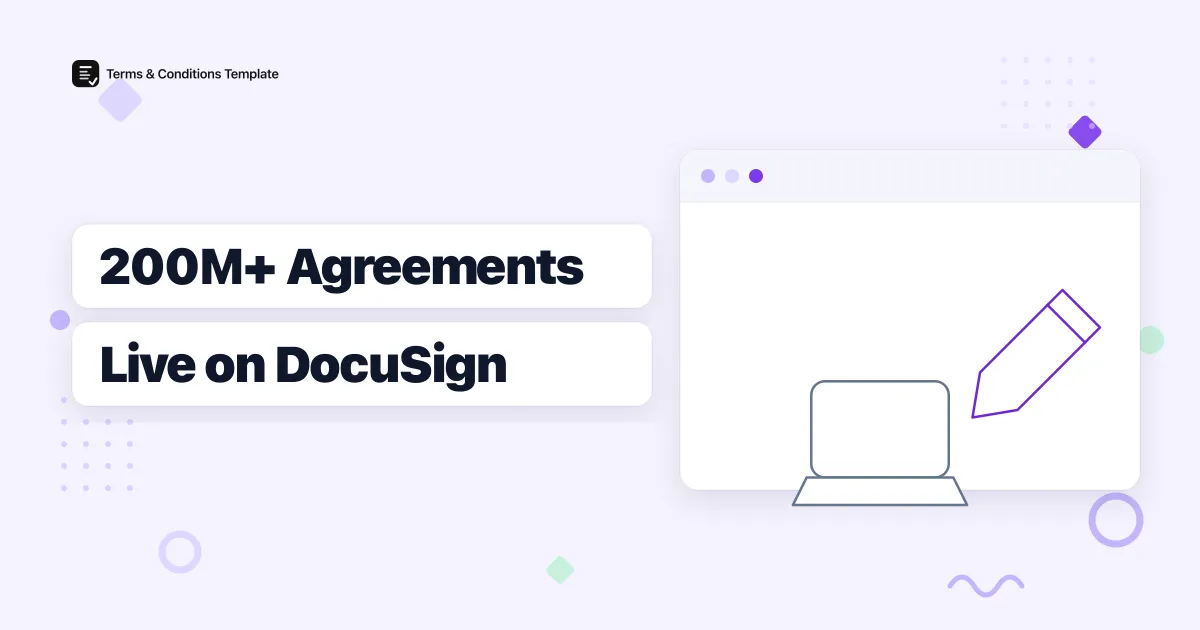
DocuSign alone holds over 200 million consented electronic agreements as of 2026, and the global e-signature market is projected to grow from $13.4 billion in 2025 to $70.2 billion by 2030. See the real data behind how many contracts are signed electronically, and whether they hold up in court.
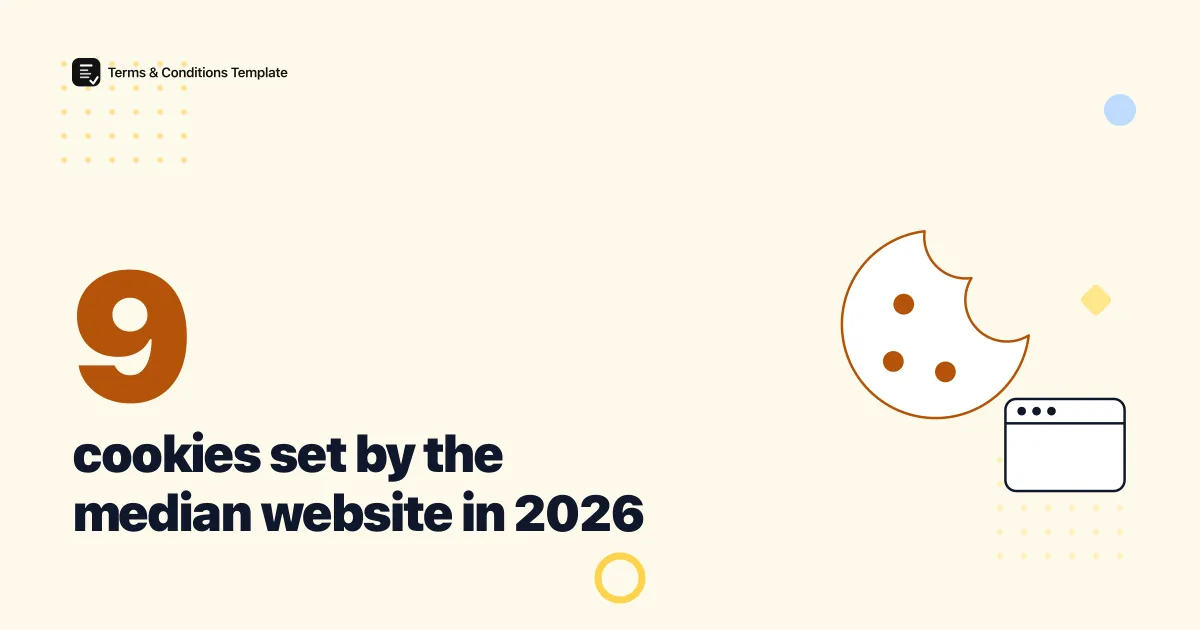
The median website sets 9 cookies as of the HTTP Archive's July 2025 crawl of 1 million sites, though the heaviest 10% carry 44 or more. See the full first-party versus third-party breakdown by device and popularity.
401.6 million domain names were registered worldwide at the end of Q2 2026, up 8.1% year over year, according to Verisign's Domain Name Industry Brief. See the .com, ccTLD, and new gTLD breakdown.
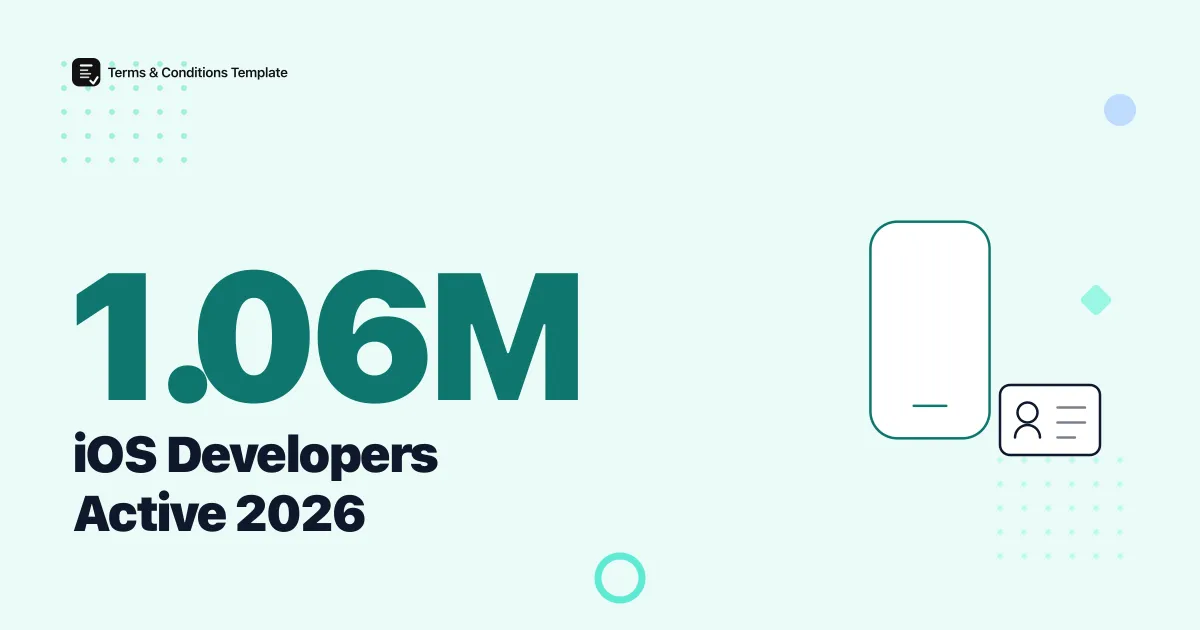
1,063,724 developer accounts are actively publishing apps on the Apple App Store as of July 28, 2026, according to 42matters' live catalog tracker. See how that compares to Apple's 51.8 million registered developers and the wider developer population.
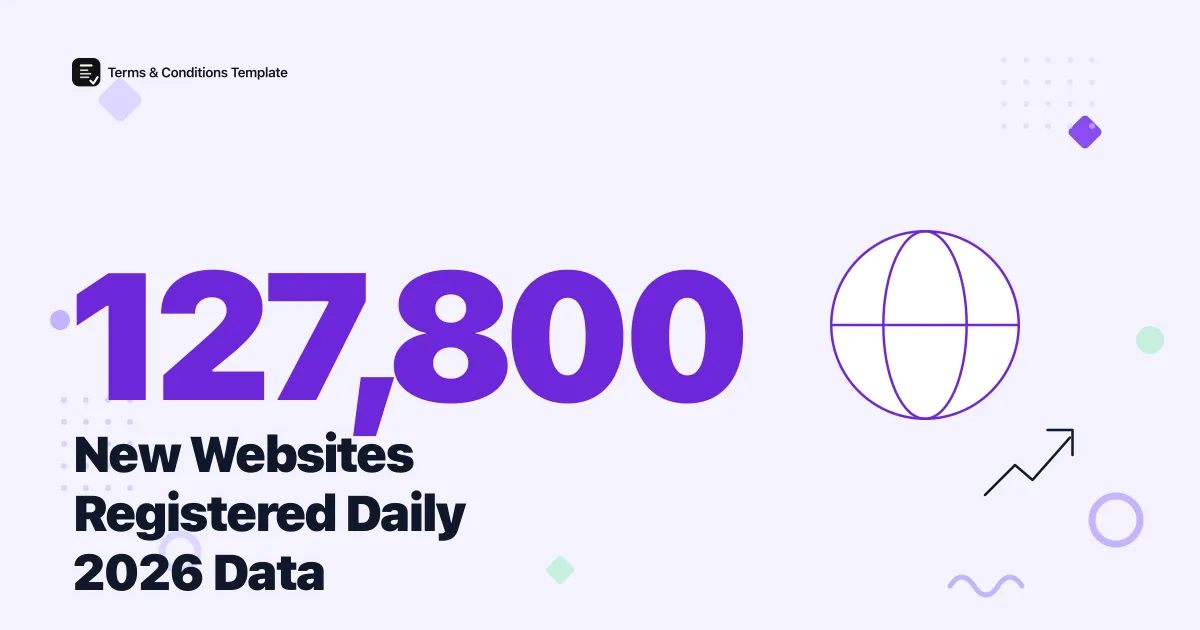
About 127,800 new .com and .net domains are registered every day in 2026, based on Verisign's Q1 2026 Domain Name Industry Brief and its 11.5 million new registrations for the quarter. See how that compares to 2025, how many websites exist in total per Netcraft, and which platforms new sites run on.
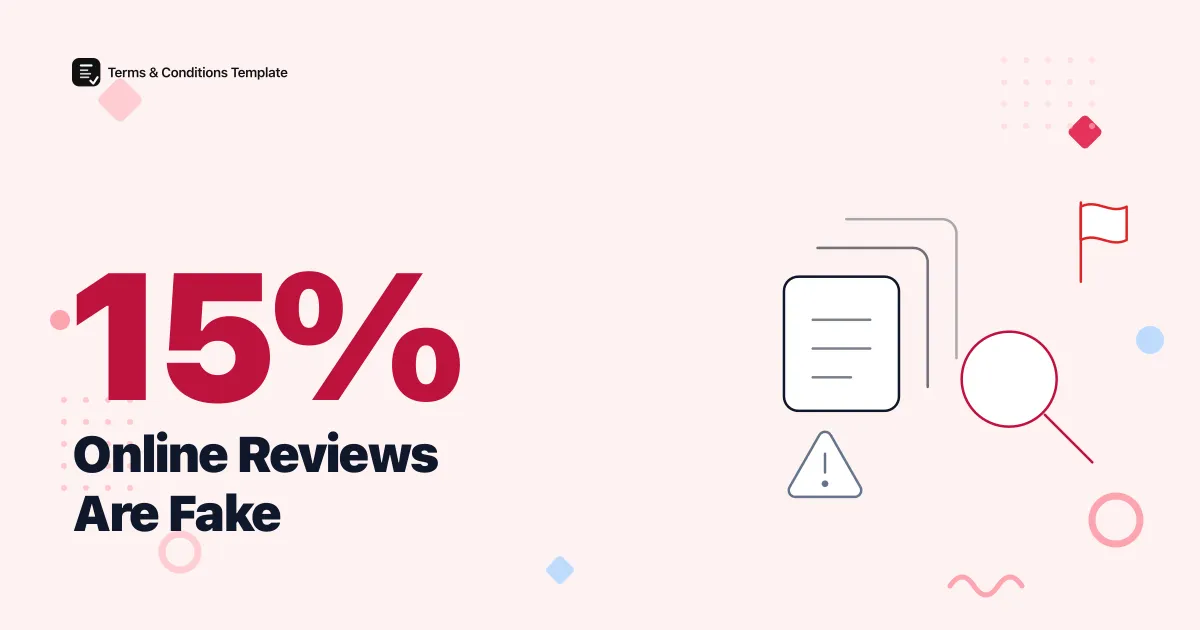
Up to 15% of online reviews are fake, according to UK government-commissioned research published in April 2023 that audited 2.1 million reviews across nine e-commerce platforms. See the 2026 data on prevalence, platform enforcement, and FTC penalties.
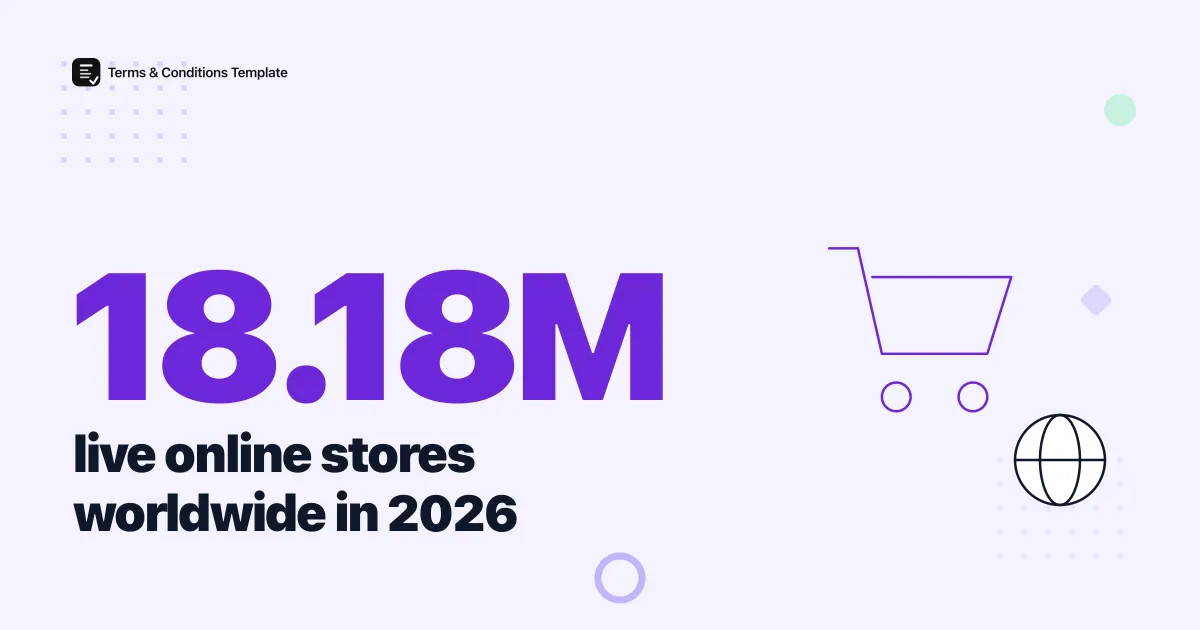
More than 18.18 million online stores are live across the six leading ecommerce platforms in 2026, led by Shopify's 6.99 million storefronts, according to BuiltWith's live technology crawl checked in July 2026.
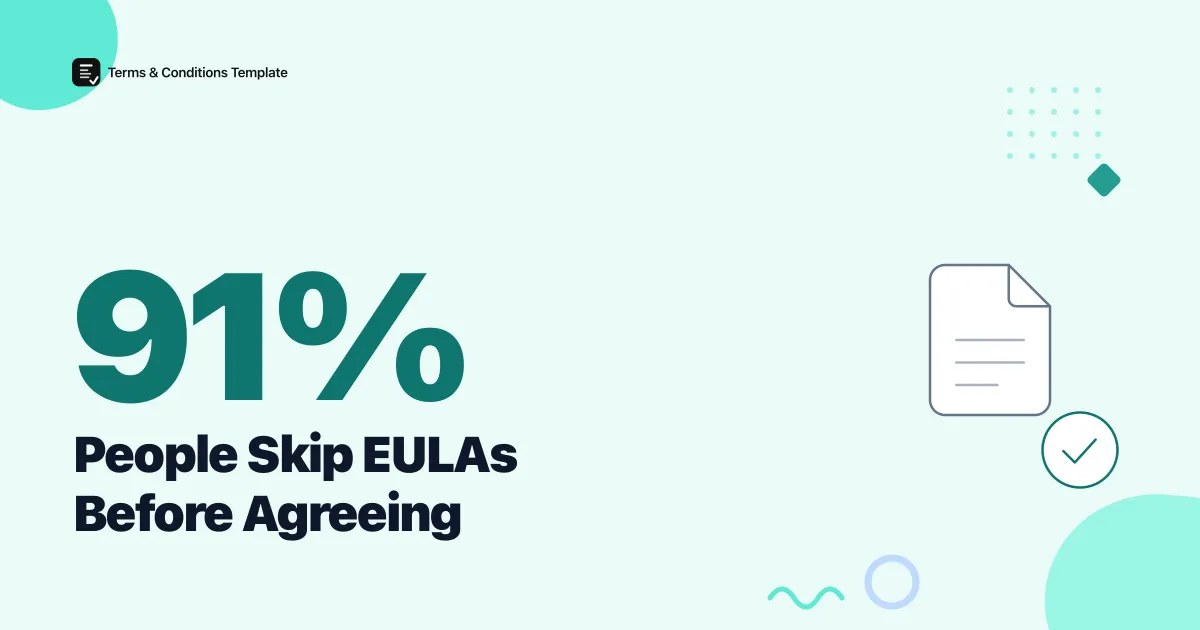
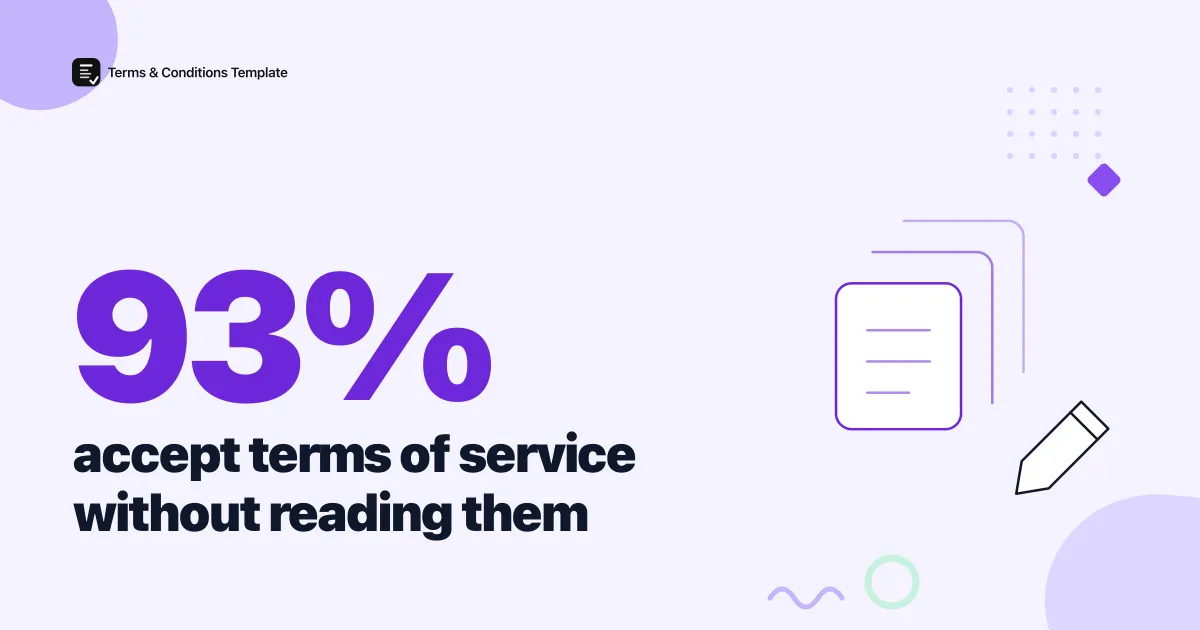
91% of consumers agree to software terms and EULAs without reading them, and 97% of people ages 18-34 do the same, per Deloitte's Global Mobile Consumer Survey (n=2,000). See the reading-time data behind the number.
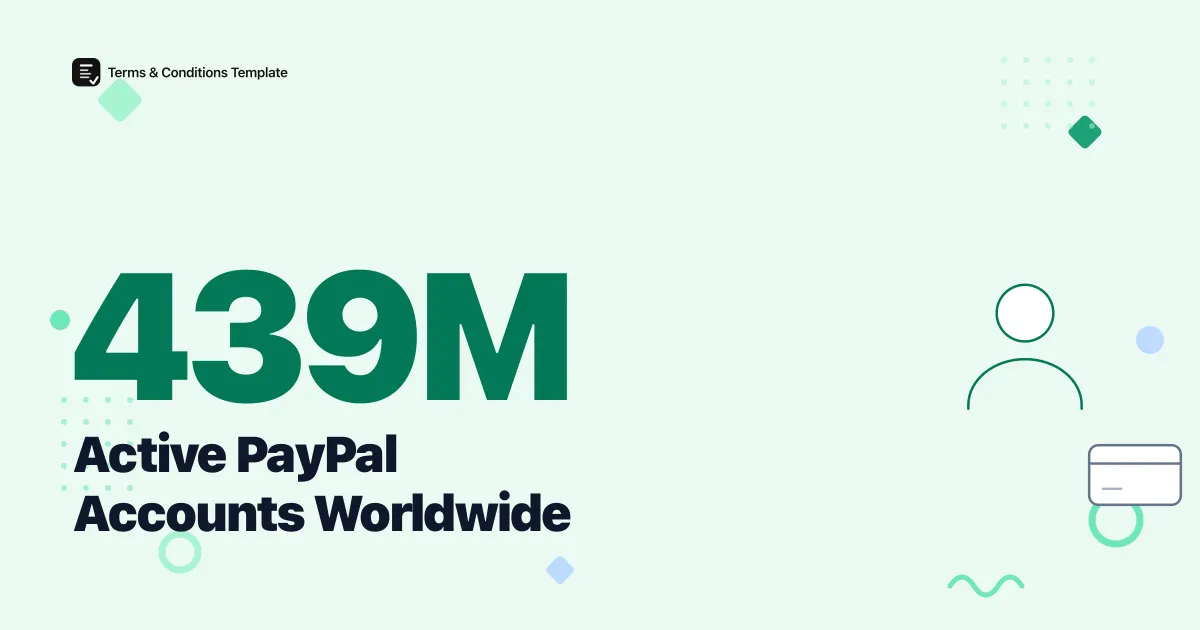
PayPal had 439 million active accounts worldwide at the end of 2025, per its Q4/full-year 2025 earnings release, and 57% of US adults say they have used it. See the account growth history, country breakdown, and how PayPal's user count compares to Venmo.
Podcast Index counts roughly 4.69 million indexed podcasts worldwide as of March 2026, but only about 450,000 to 500,000 are still releasing new episodes. See the full 2026 count data, platform-by-platform, plus who is actually listening.
Amazon lists roughly 600 million products for sale as of 2026, per AMZScout's Product Database, with third-party sellers supplying 588 million (97.9%) of that total. See the seller split, category breakdown, and growth since 2015.
US retailers send an estimated 9.5 billion pounds of returned merchandise to landfills each year, producing 24 million metric tons of CO2, per Optoro's 2022 environmental impact study. Here is how that number has moved since 2017.
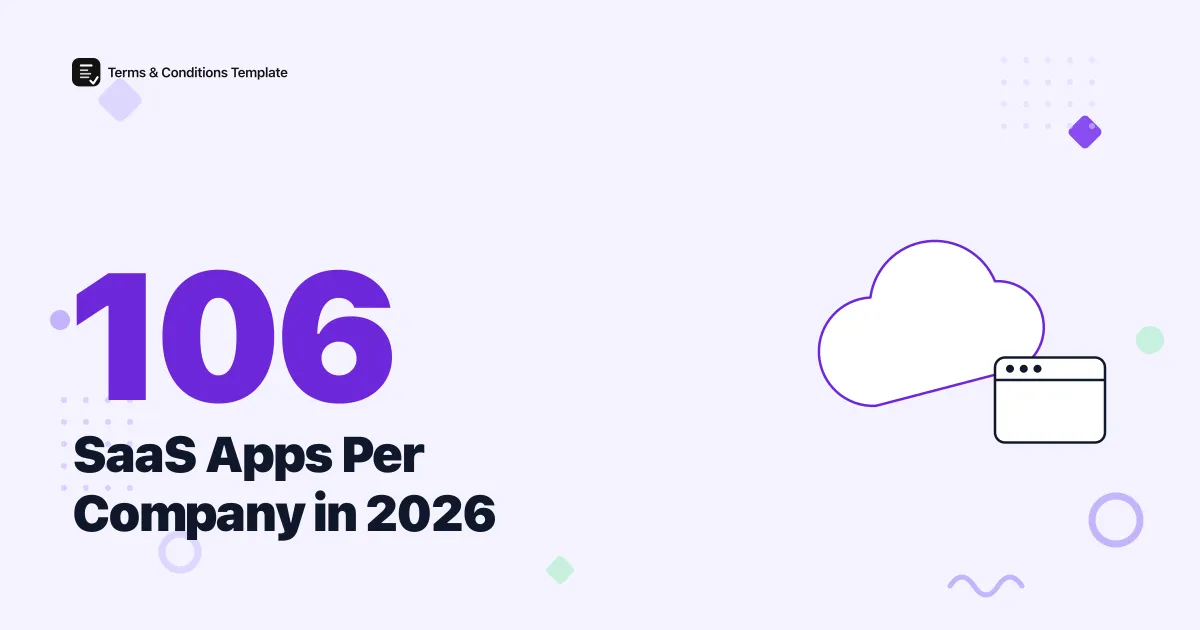
The average company runs 106 SaaS applications in 2025, down from 130 in 2022, according to BetterCloud's State of SaaS report (n=600 IT professionals). See how the count varies from 152 apps at small businesses to 660 at large enterprises.
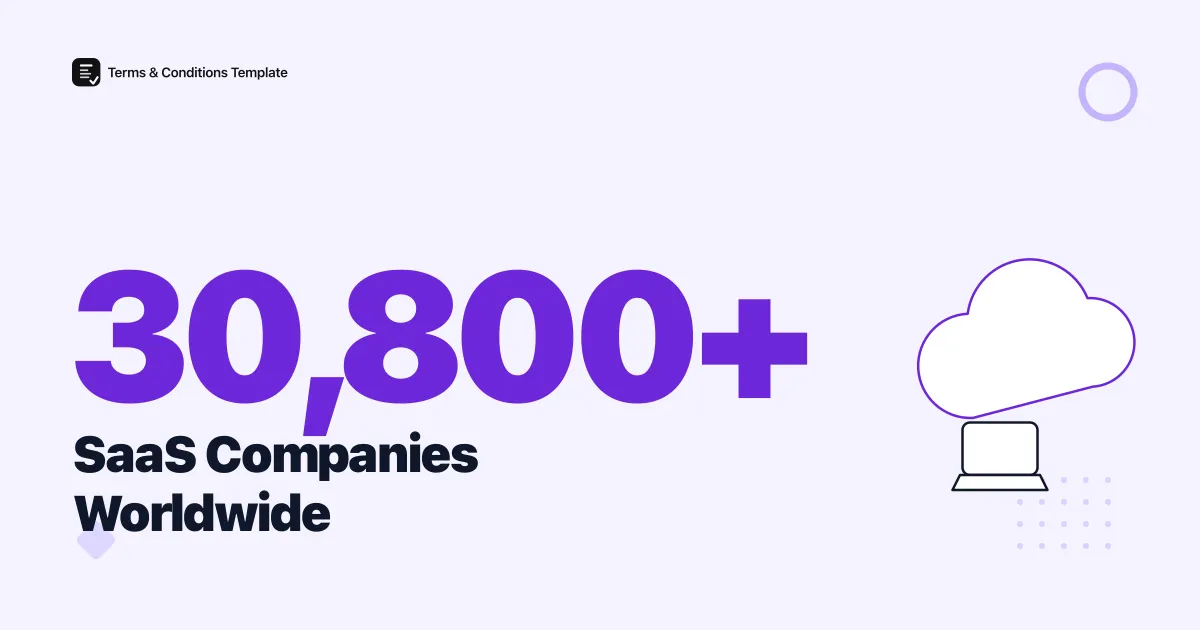
Statista's tracked database counts more than 30,800 SaaS companies worldwide as of late 2024, while Vainu's 72,000-company study is the most detailed breakdown by size, country, and industry. See the full 2026 count.
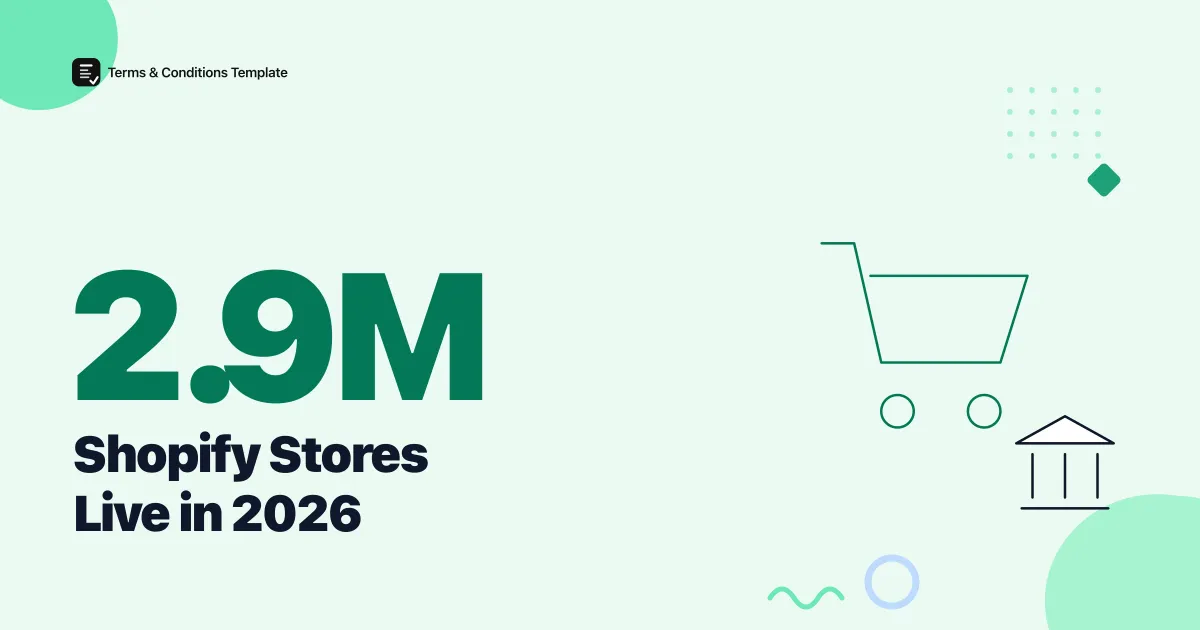
There are 2,898,351 live Shopify stores worldwide as of Q3 2026, according to StoreLeads' store-tracking data, while BuiltWith's broader technology-detection scan counts closer to 6.9 million Shopify installations. Here is why the two numbers differ.
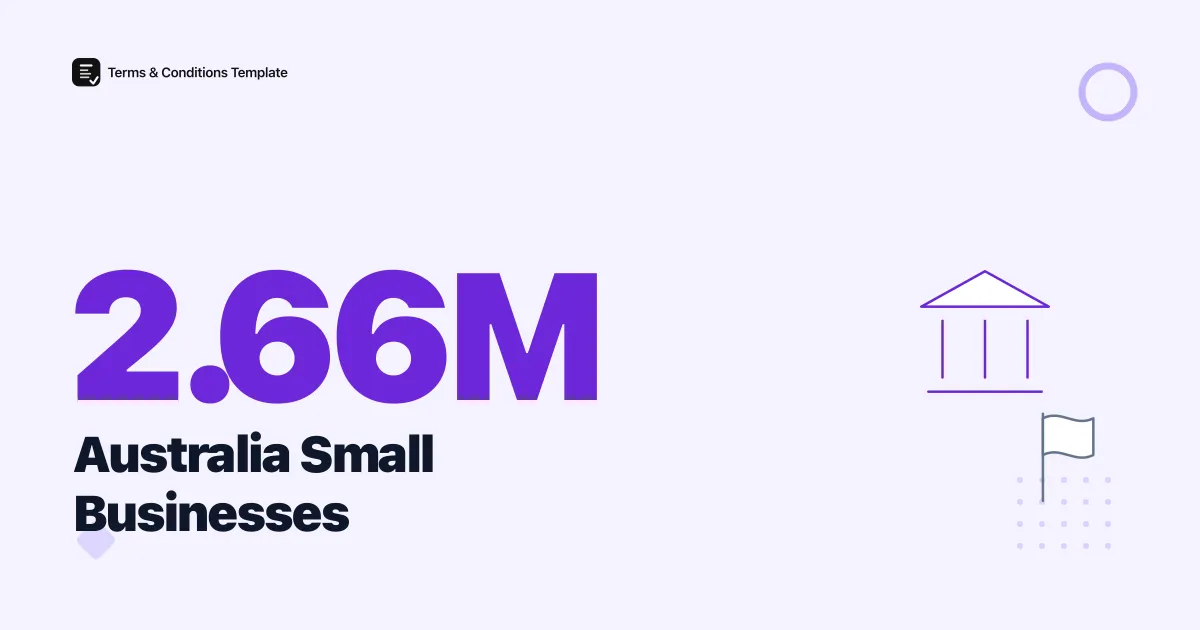
Australia had 2,656,469 small businesses at 30 June 2025, 97.3% of all 2,729,648 actively trading businesses, according to the Australian Bureau of Statistics' Counts of Australian Businesses, released August 2025. See the breakdown by size, industry, state, and employment.
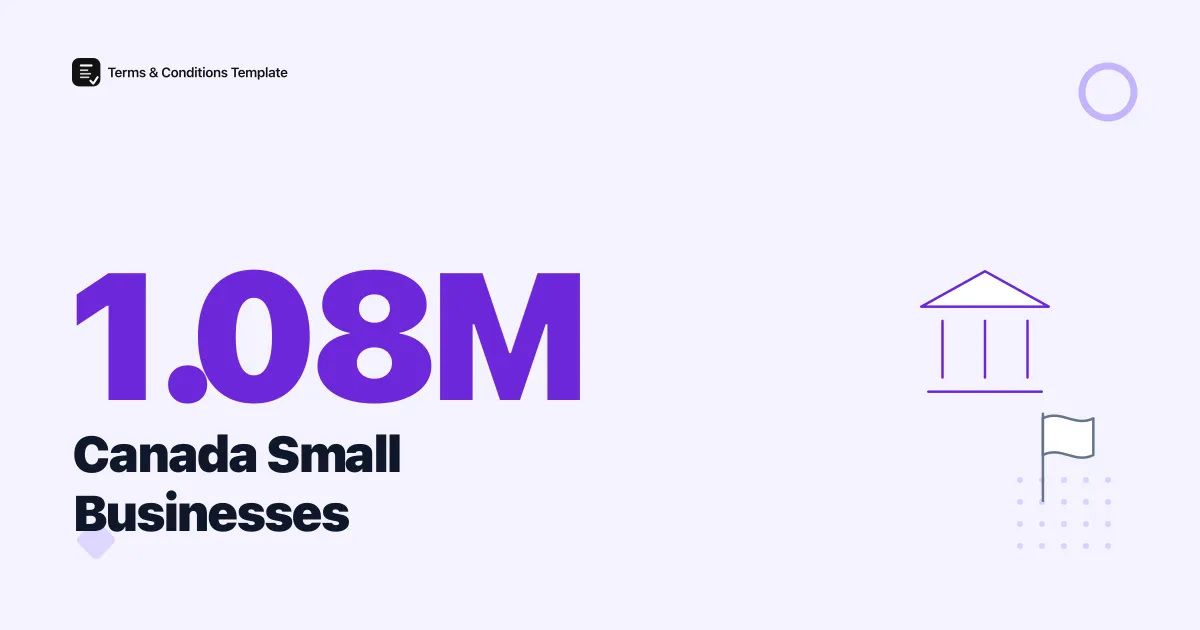
Canada had 1,079,188 small businesses as of December 2024, 98.2% of all 1,099,521 employer businesses, according to Innovation, Science and Economic Development Canada's Key Small Business Statistics 2025 report. See the breakdown by province, industry, employment, and survival rate.
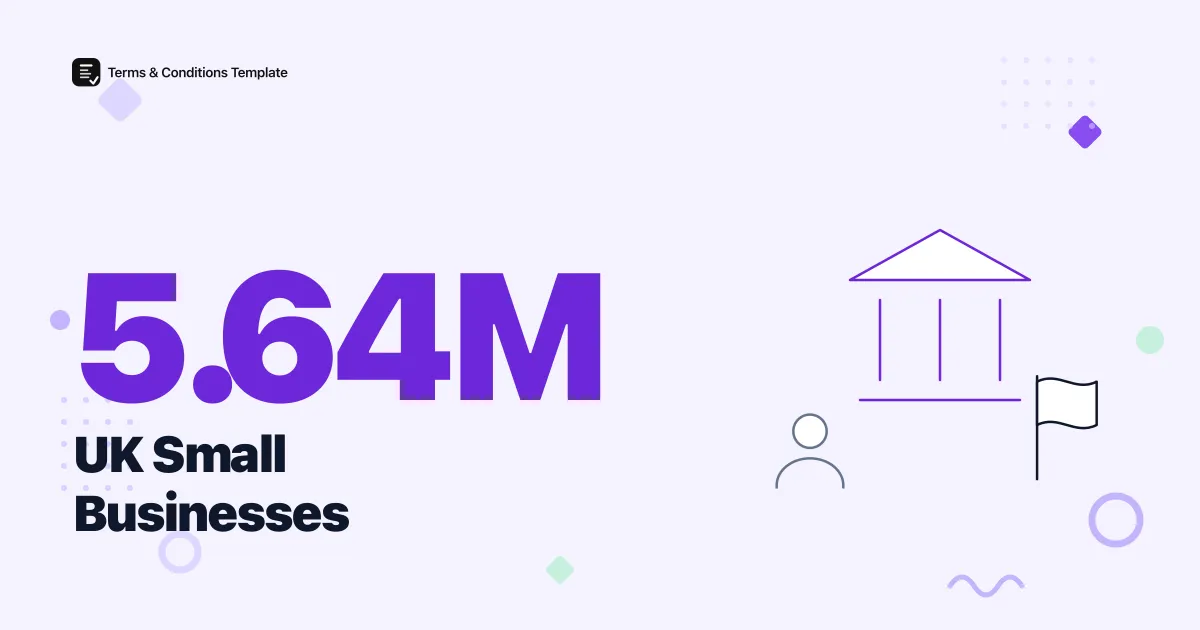
There were 5.64 million small businesses in the UK at the start of 2025, 99.2% of all 5.7 million UK private-sector businesses, according to the Department for Business and Trade's Business Population Estimates 2025. See the full breakdown by size, industry, nation, and survival rate.
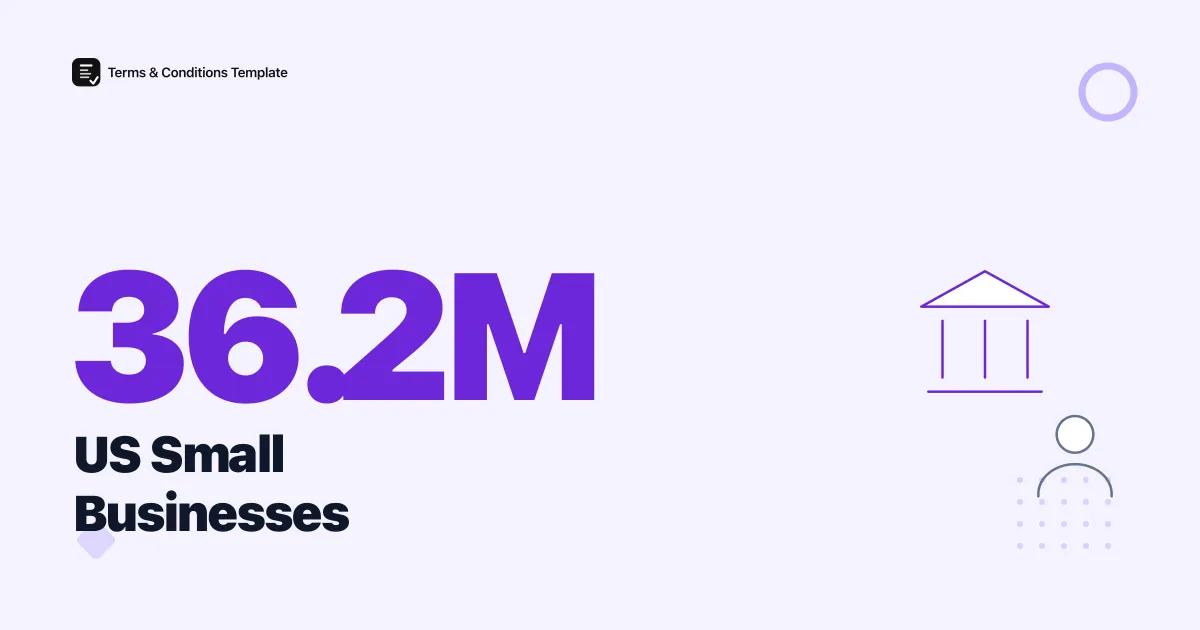
There are 36,207,130 small businesses in the United States as of February 2026, making up 99.9% of all US businesses, according to the SBA Office of Advocacy. See the full breakdown by size, industry, state, ownership, and survival rate.
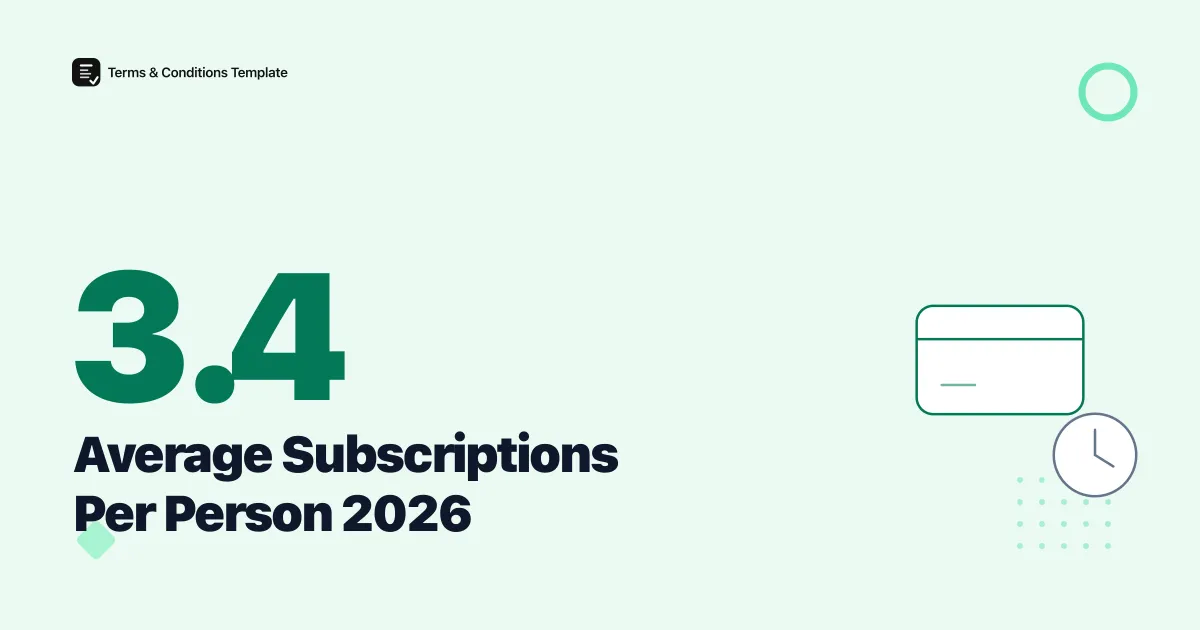
The average U.S. adult has 3.4 active paid subscriptions in 2026, down from 4.4 in 2023, according to Self Financial's survey of 1,272 U.S. adults. See streaming, spending, and forgotten-subscription data for 2026.
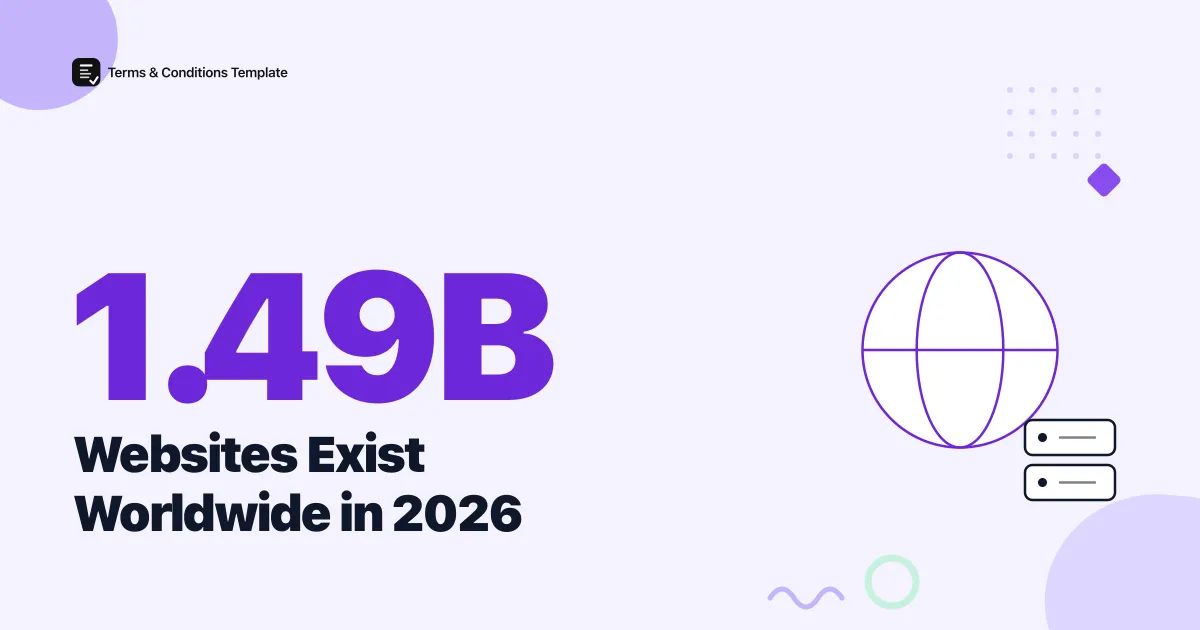
There are 1,489,396,284 websites across 304 million domains as of June 2026, according to Netcraft's monthly Web Server Survey. See the full breakdown by domain type, hosting provider, and how many sites are actually active.
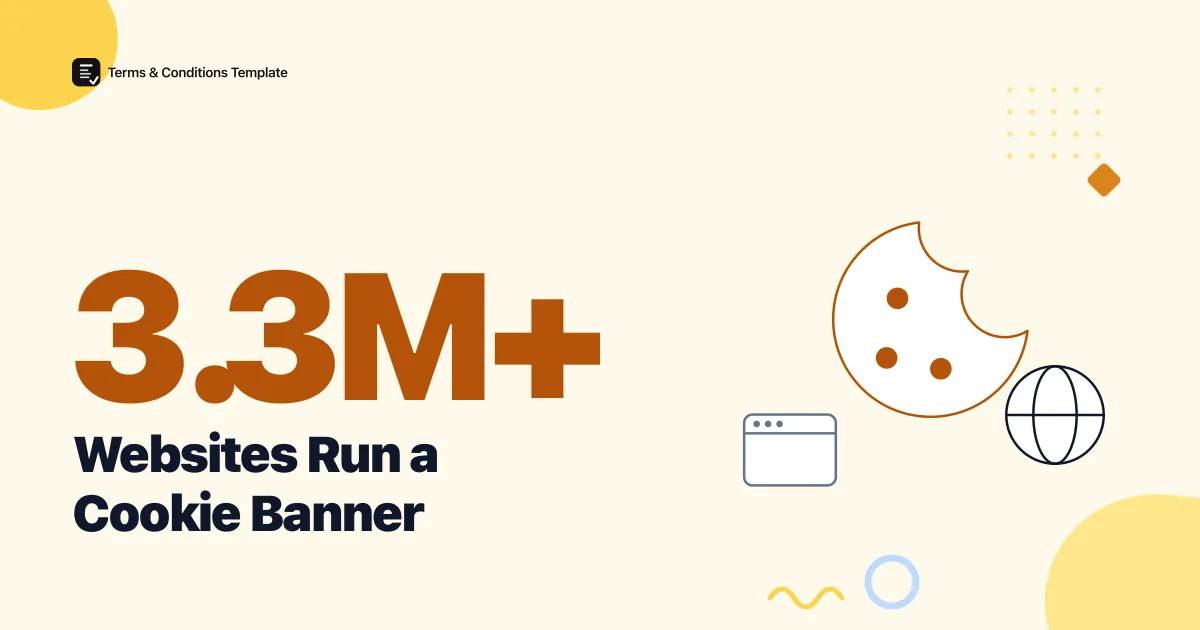
Over 3.3 million live websites, 5.74% of the web, run a dedicated cookie banner tool as of 2026, per WebTechSurvey's technology crawl. Among the most-trafficked sites the share is far higher. See the full 2026 count by vendor and country.
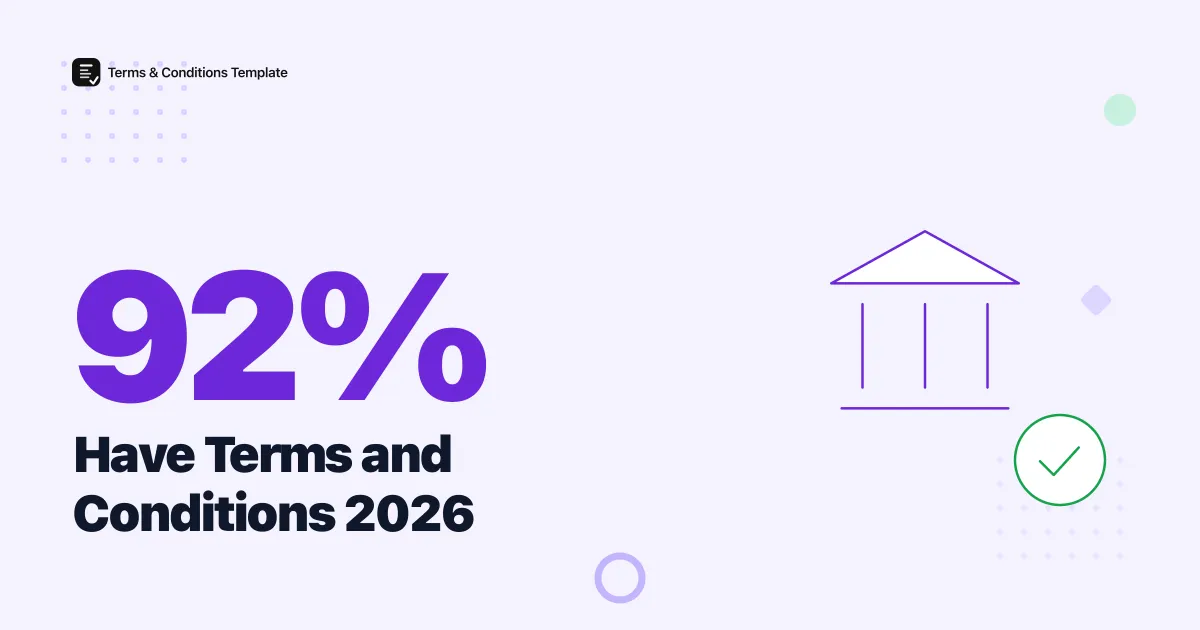
92% of Fortune 500 companies have a Terms of Use page live on their website, according to Greenberg Traurig's 2023 audit of major corporate sites. See how that compares to smaller sites, and whether your own site actually needs one.
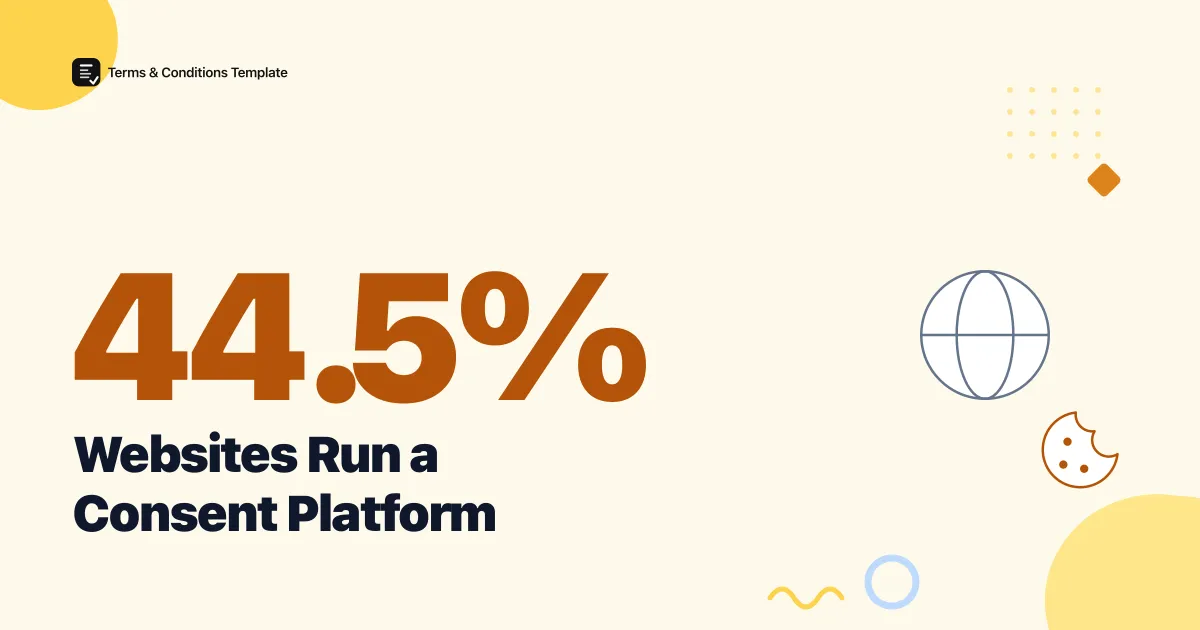
44.5% of all websites analyzed run a third-party consent management platform to power their cookie banner, per a CHI 2025 study of 254,148 sites across 31 countries. See 2026 CMP adoption, market share, and market size data.
YouTube's only official creator count: more than 3 million channels are enrolled in the YouTube Partner Program, per CEO Neal Mohan's 2024 letter, and the platform has paid creators $100 billion since 2021. See what that number does and does not tell you about how many YouTubers actually exist.
US mobile app developers earn a $170,000 median annual salary in 2025, per Stack Overflow's Developer Survey, more than double the global median. See how that compares to BLS wage data, job listings, and what indie developers actually make from their own apps.
Returns and refunds consume 20% to 25% of revenue once reverse logistics, processing, and restocking are counted, according to Seel's 2025 State of Returns and Refunds Report (10M+ transactions). See the full 2026 cost breakdown for retailers.
How to prepare for a vendor security due diligence questionnaire: the security, compliance, and sub-processor questions procurement teams actually ask.
What to put on a public SOC 2 trust page: trust service criteria covered, control summaries, and subprocessor lists that speed up enterprise security reviews.
What a biometric data disclosure must state under BIPA-style laws before you collect fingerprints or face scans for login, written clause by clause.
A clause-by-clause guide to drafting a GDPR-compliant Data Processing Agreement: the subprocessor list, security measures, breach notification timelines, audit rights, and deletion terms Article 28 requires.
What a FERPA annual notification must cover: directory information, third-party disclosure, and parent and student rights, for schools and the edtech tools they use.
What a HIPAA Notice of Privacy Practices must state about PHI uses, patient rights, and the privacy officer contact, written for a small healthcare practice.
Learn exactly what a medical disclaimer needs to say, where it belongs on a health or fitness site, and how it differs from a general liability disclaimer.
How to draft a software license agreement: the grant of license, scope and seat limits, standard restrictions, and why the warranty disclaimer has to be conspicuous to hold up.
What a SaaS acceptable use policy needs to prohibit, how enforcement and suspension language should work, and why it's a separate document from your terms of service.
How to write an accessibility statement that names a conformance target, discloses known limitations, and gives a real feedback contact, plus what ADA, WCAG, and the EU's EN 301 549 each expect from it.
The exact FTC disclosure language, placement, and timing an affiliate disclaimer needs for Amazon Associates and other affiliate links to stay compliant.
The core policies a small business needs in its first employee handbook: an at-will statement that actually holds up, conduct standards, leave, a real harassment reporting process, and a signed acknowledgment.
The sections a data breach incident response plan needs: response team roles, containment procedures, and notification timelines, written step by step.
How to build an ISO 27001 Statement of Applicability: selecting Annex A controls, documenting justifications, and what auditors expect to see in the SoA.
How to draft a non-disclosure agreement clause by clause: naming the parties, defining confidential information, carving out exclusions, setting the term, and writing enforceable remedies.
How to draft a Service Level Agreement for a SaaS product: setting an uptime commitment, structuring service credits, defining support response tiers, and what to exclude from the calculation.
A plain-English guide to writing Terms and Conditions for your website or app. What to include, what to avoid, and how to get it done without a lawyer.
A practical guide to writing mobile app Terms and Conditions, covering in-app purchases, subscriptions, app store rules, device permissions, and update or termination language.
How to draft Website Terms of Use for a blog, portfolio, or content site: the content license clause, comment moderation rights, and the no-transaction language that keeps it lighter than a full Terms and Conditions.
Consumers spent $167 billion on in-app purchases worldwide in 2025, up 10% year over year, according to Sensor Tower's State of Mobile 2026 report. See the spend trend, what people actually buy inside apps, and how non-gaming apps overtook games for the first time.
96% of sponsored influencer posts in a 100M-post Twitter study carried no disclosure, per peer-reviewed research published in Marketing Science. See the 2026 data on disclosure rates, FTC enforcement, and what actually changes behavior.
53.5 million Americans bought something through Instagram in 2025, up from 46.2 million in 2023, according to eMarketer data compiled by Capital One Shopping Research. See US buyer growth, spending, and influencer marketing numbers for 2026.
How an SLA between internal teams differs from one you publish to paying customers, and why the credit and enforcement language can't be copied across.
US live shopping sales are projected to reach $67.8 billion in 2026, more than double 2023's $31.7 billion, per Coresight Research and Bambuser. See the 2026 live commerce market data by platform, conversion rate, and buyer trust.
The top 5% of loot box buyers, those spending over $100 a month, account for half of loot box revenue, per a pooled analysis of 7,767 buyers. See prevalence, spending, and regulation data as of November 2026.
The commission rate, payout schedule, and listing-rule terms a seller must accept before joining a multi-vendor marketplace, separate from the platform's own T&C.
The American Arbitration Association logged 88 mass arbitration campaigns in 2025 and just under 105,000 new demands, down from 92 campaigns and about 280,000 demands in 2024. See the filings, fees, and outcomes.
Match Group's 2025 annual report shows a $14 million settlement of an FTC case that sought up to about $257 million, 14.2 million payers and $3.49 billion in revenue. See what the case challenged, plus the $60.5 million Tinder pricing settlement.
The injury-liability and 'consult a physician first' language a fitness coach's medical disclaimer needs, distinct from a general health-content disclaimer.
The average App Store product page converts 25% of visitors into installs in 2026, per AppTweak. See conversion benchmarks across the full mobile funnel: store listing, trial start, and trial-to-paid by trial length.
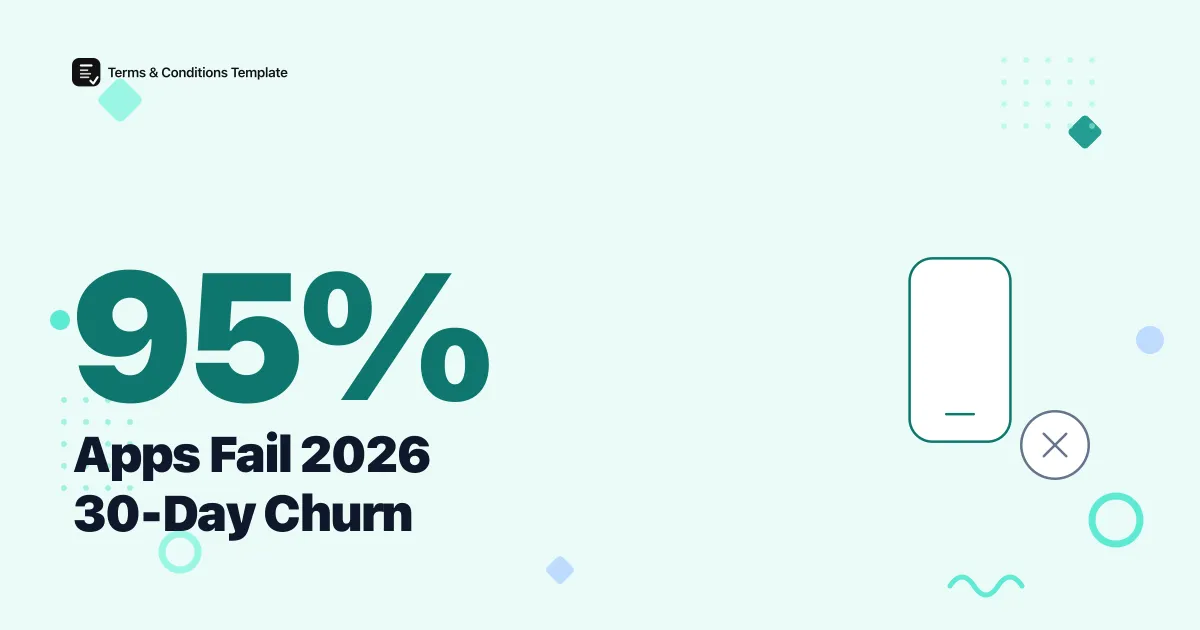
46.1% of installed apps are uninstalled within 30 days, according to AppsFlyer's 2025 analysis of 1.3 billion+ installs. See 2026 mobile app usage, download, and revenue data from Sensor Tower's State of Mobile report, including AI app growth and App Store versus Google Play splits.
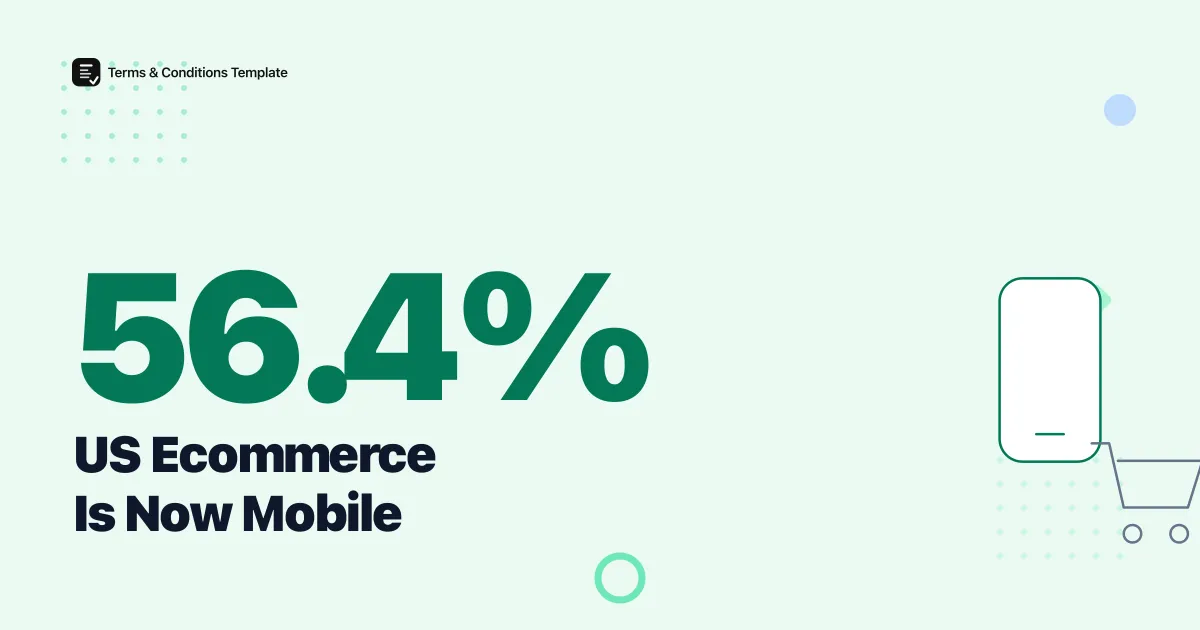
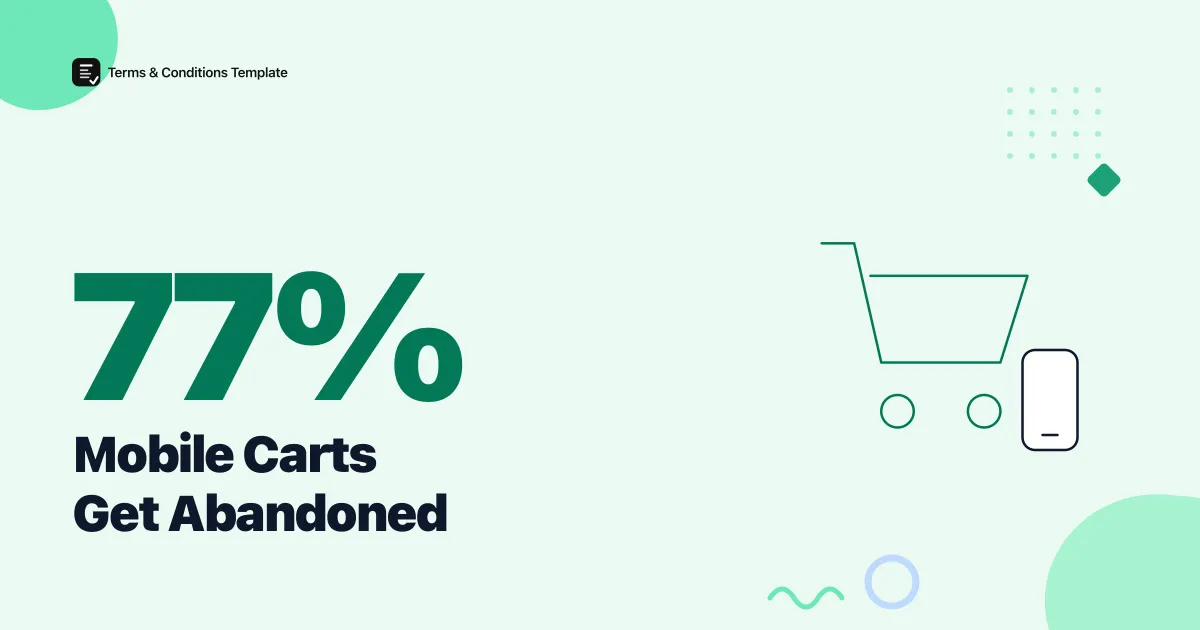
Mobile devices drove an estimated 59% of global ecommerce sales in 2025, but mobile shoppers abandon carts at 80.02% versus 66.41% on desktop, per Baymard Institute's meta-analysis of 50 studies. See the 2026 mobile commerce data.
Mobile games generated $103.0 billion in revenue in 2025 and reached 3.0 billion players, according to Newzoo's Global Games Market Report. See 2026 regional splits, genre revenue, payer data, and platform comparisons.
4.4 billion people worldwide used a digital wallet in 2025, per Juniper Research, and 31% of US shoppers now pay with one in-store, more than double the year before, per PYMNTS Intelligence. See global user counts, US adoption growth, and wallet brand trends for 2026.
A one-way NDA protects only the party disclosing information. A mutual NDA protects both sides. Here is how to match the right type to your relationship, from investor pitches to co-founder talks.
US native advertising spending reached $98.6 billion in 2023, more than 59% of digital display ad spend, according to eMarketer. See 2026 data on native ad performance, disclosure rules, and the FTC's Lord & Taylor case.
When it's reasonable to ask an interview candidate to sign an NDA, what scope holds up if they're never hired, and how it differs from an employee NDA.
Why most VCs refuse to sign a standard NDA before a pitch, what protection founders actually have without one, and when a narrower NDA is worth asking for.
A standalone NDA and a confidentiality clause buried in a service agreement protect the same secrets but work very differently. Here is how to pick the right one for founders, contractors, and vendors.
An NDA protects information. A non-compete restricts where someone can work after leaving. Here is how the two documents differ and when a business relationship needs both.
On October 28, 2026, New York Attorney General Letitia James announced a settlement with publisher FC&A over a 'free no-risk preview' book trial. Here is how to word free-trial, return-shipping and late-fee terms.
New York Attorney General Letitia James sued Valve Corporation on February 25, 2026, alleging Counter-Strike 2, Dota 2, and Team Fortress 2 loot boxes are unlicensed gambling, per GeekWire's coverage of the filing.
Where non-compete agreements are banned outright, where they're restricted to high earners, and where the reasonableness test still governs enforceability.
Why several states carve out physicians and other healthcare providers from standard non-compete enforceability rules, and what that means for a practice's contracts.
How a non-solicitation clause restricting client and employee poaching differs from a non-compete restricting where someone can work, and when to use each.
On July 10, 2026, Mayor Zohran Mamdani and DCWP Commissioner Samuel Levine adopted New York City's Click-to-Cancel rule, the first municipal cancellation law in the country, taking effect October 1, 2026.
Two-thirds of merchants are now investing in one-click checkout, and Shop Pay alone processed 32% of Shopify's Black Friday-Cyber Monday 2025 orders. See 2026 one-click checkout adoption data, provider reach, and conversion lift by source.
Proskauer's July 23, 2026 client alert rounds up three 2026 rulings, Tejon v. Zeus Networks, Dahdah v. Rocket Mortgage, and Hoover v. Cleo AI, where courts reached opposite conclusions on whether a hyperlinked terms of use was conspicuous enough to bind a website user.
68% of consumers will not choose a business rated below 4 stars, up from 55% a year earlier, according to BrightLocal's Local Consumer Review Survey (February 2026, n=1,002 US adults). See the 2026 data on review trust, star-rating thresholds, and how negative and fake reviews shape buying decisions.
OnlyFans paid creators $5.8 billion in the fiscal year ended November 2024, an average of roughly $1,250 per creator account across 4.63 million creator accounts, according to Fenix International's UK company filings. See the 2026 data on payouts, the 80/20 split, and age-verification compliance.
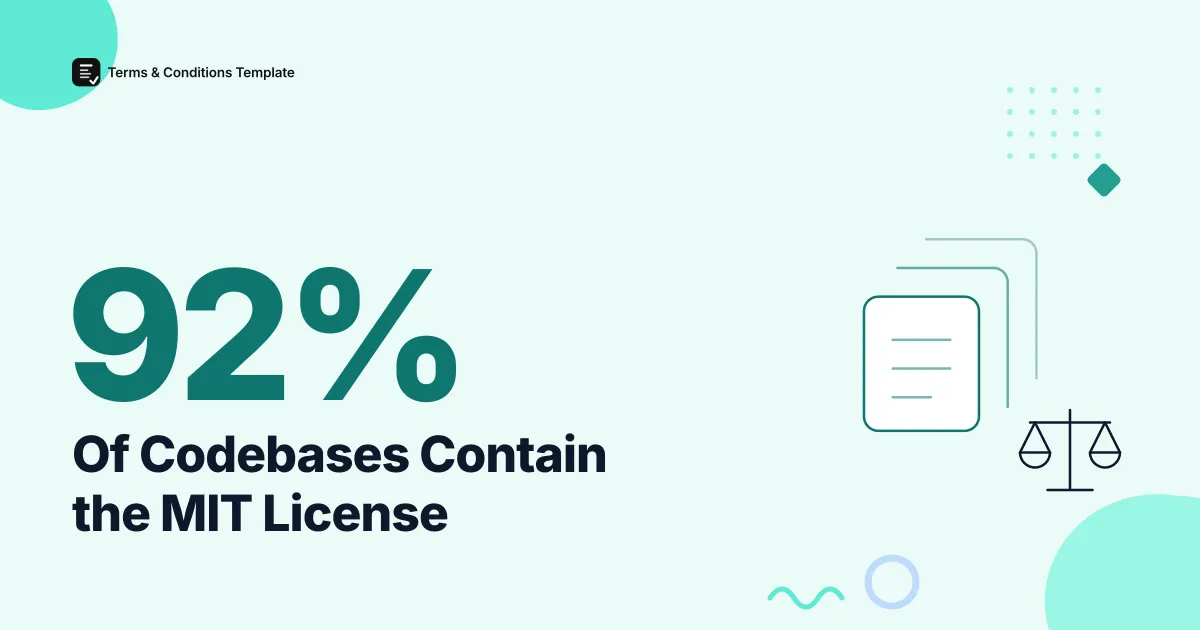
MIT shows up in 92% of commercial codebases and Apache 2.0 in 90%, per Black Duck's 2026 OSSRA report of 947 codebases. See the top ten open source licenses ranked, plus usage by language ecosystem.
More than 180 million developers now build on GitHub, up 23% year-over-year, per GitHub's Octoverse 2025 report. See the full open source growth, contribution, and license-risk data behind it.
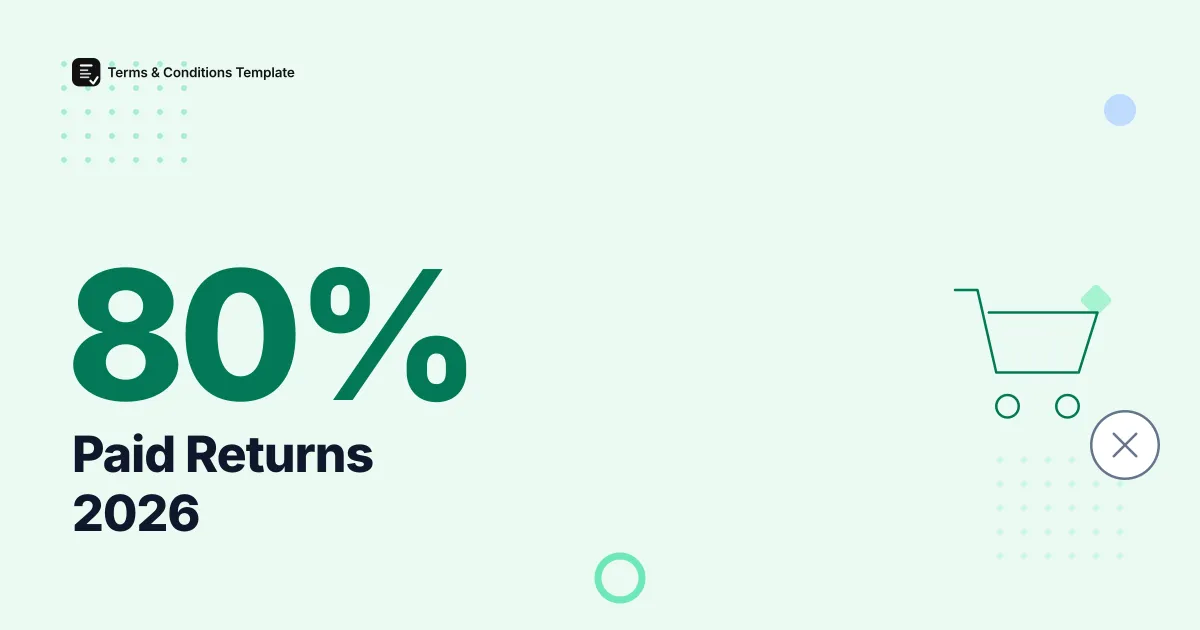
80% of shoppers stopped shopping at a retailer after it changed its return policy, according to Optoro's 2024 Returns Unwrapped survey. See real return-fee amounts, restocking-fee rates, and how shoppers react in 2026.
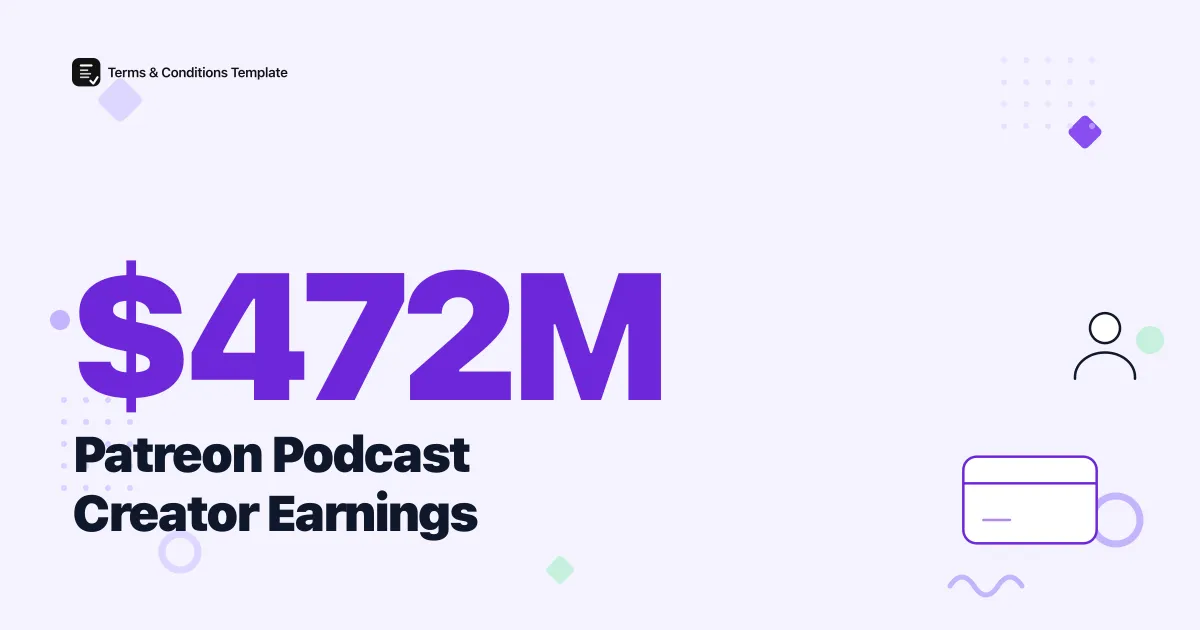
Patreon podcasters earned more than $472 million in 2024 across 6.7 million-plus paid memberships, Patreon's own highest-earning creator category as of 2025. See 2026 data on Patreon's creator count, patron pledges, platform fees, and policy enforcement.
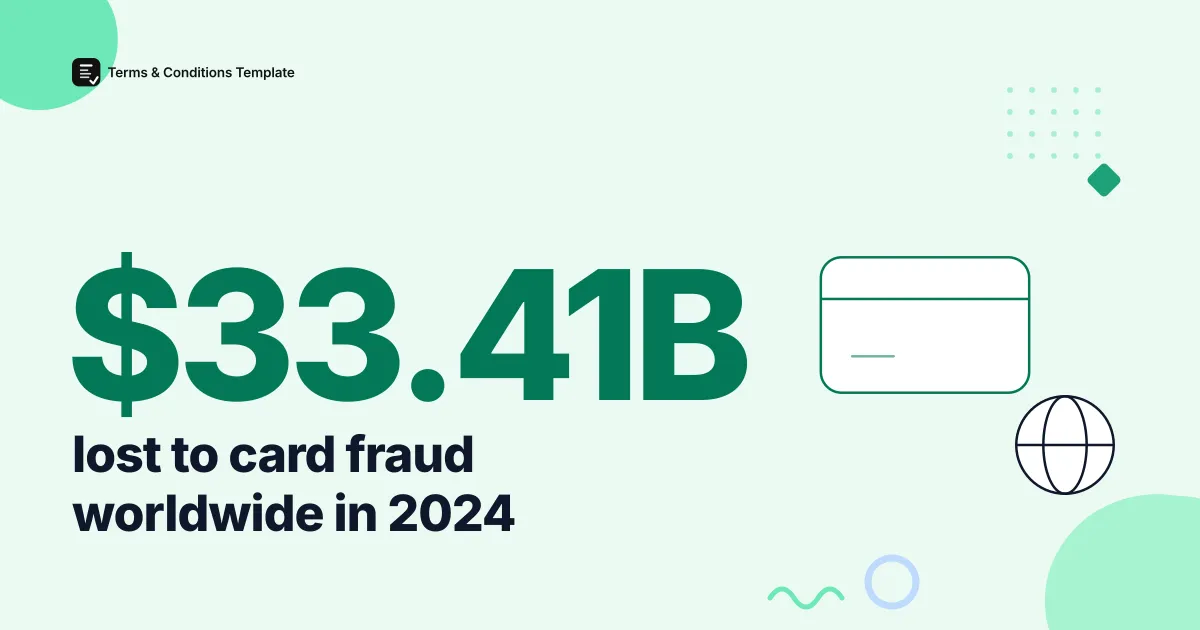
Global card payment fraud losses reached $33.41 billion in 2024, according to the Nilson Report, with US merchants absorbing 41.87% of losses on just 26.31% of card volume. See the 2026 data on payment fraud by type, region, and cost per dollar lost.
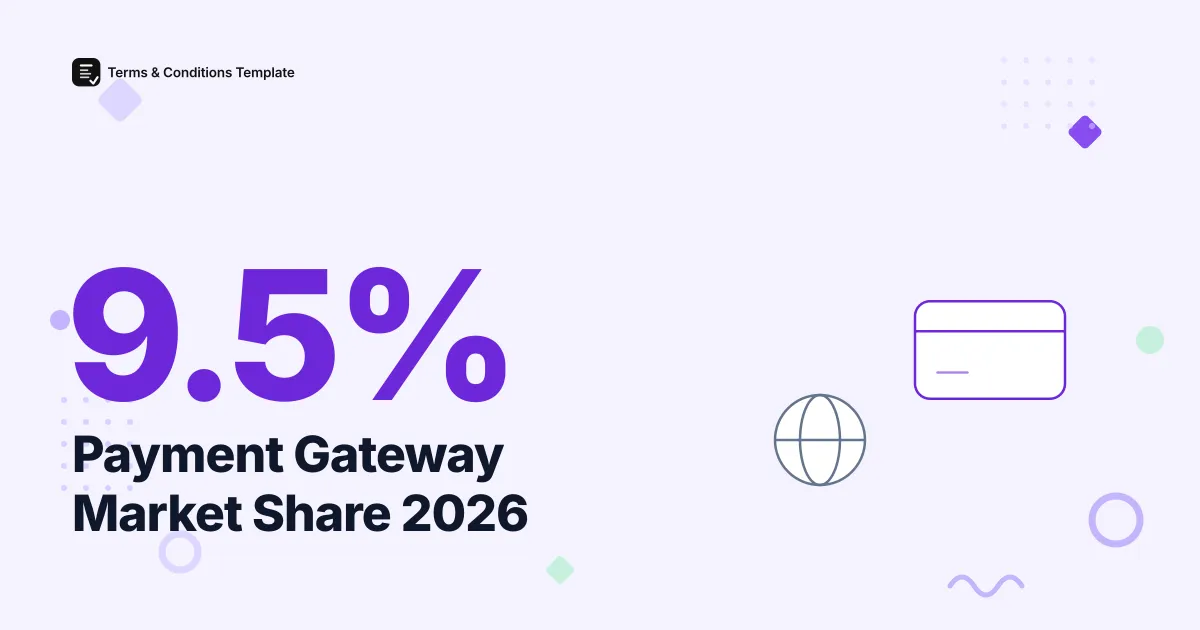
PayPal holds the largest single share of the global payment gateway market at 9.5% in 2025, while the top 5 providers control just 38.8% combined, according to Global Market Insights' April 2026 report. See how that share compares to actual dollar volume in 2026.
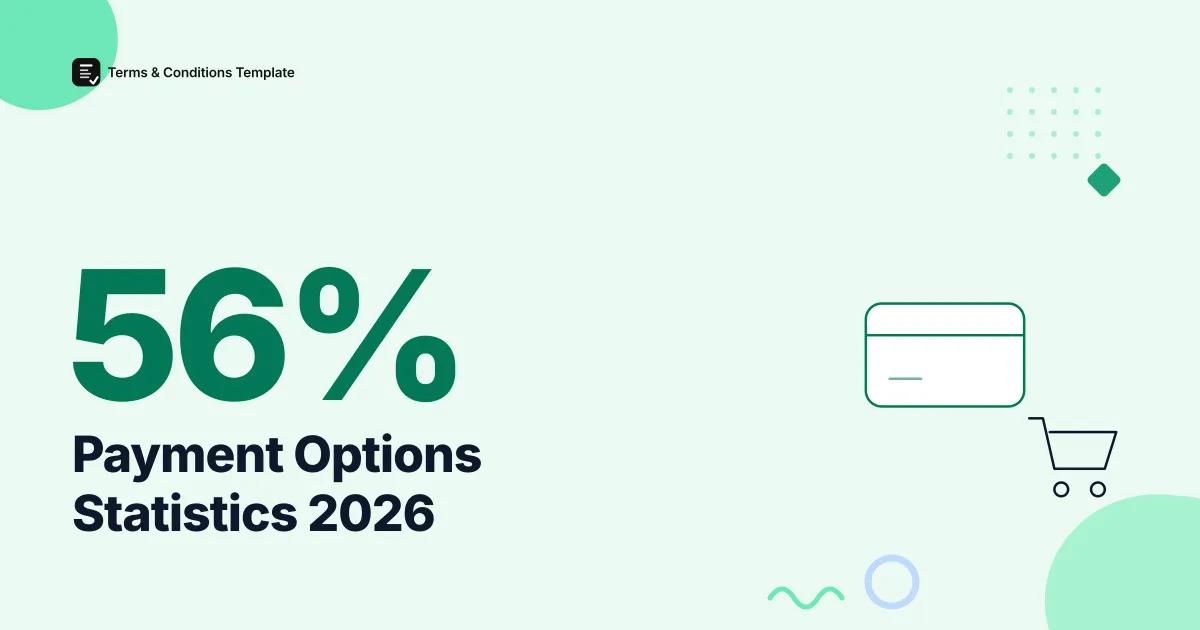
Digital wallets processed 56% of global ecommerce value in 2025, per Worldpay's Global Payments Report 2026, and 9% of shoppers abandon checkout when their preferred payment method is missing, per Baymard Institute. See payment options data by country for 2026.
PayPal closed 2025 with 439 million active accounts and $1.79 trillion in total payment volume, according to its Q4 and full-year 2025 earnings release. See PayPal's user, volume, and market share data for 2026.
Gov. Josh Shapiro signed SB 806, the Artificial Intelligence Deceptive Advertising Act (Act 99 of 2026), on October 22, 2026. It takes effect December 21. Here is what it covers and how to word an AI disclosure.
Pennsylvania's Department of State sued Character Technologies on May 1, 2026, after a Character.AI chatbot claimed to be a licensed psychiatrist and gave users a fake Pennsylvania license number. Here is what the lawsuit alleges and what it means for AI disclaimers.
Law360 reported July 31, 2026 that the Pennsylvania Superior Court again refused to enforce a clickwrap arbitration clause, this time against Kennywood's parent company in a season-pass class action, Miller v. Festival Fun Parks LLC.
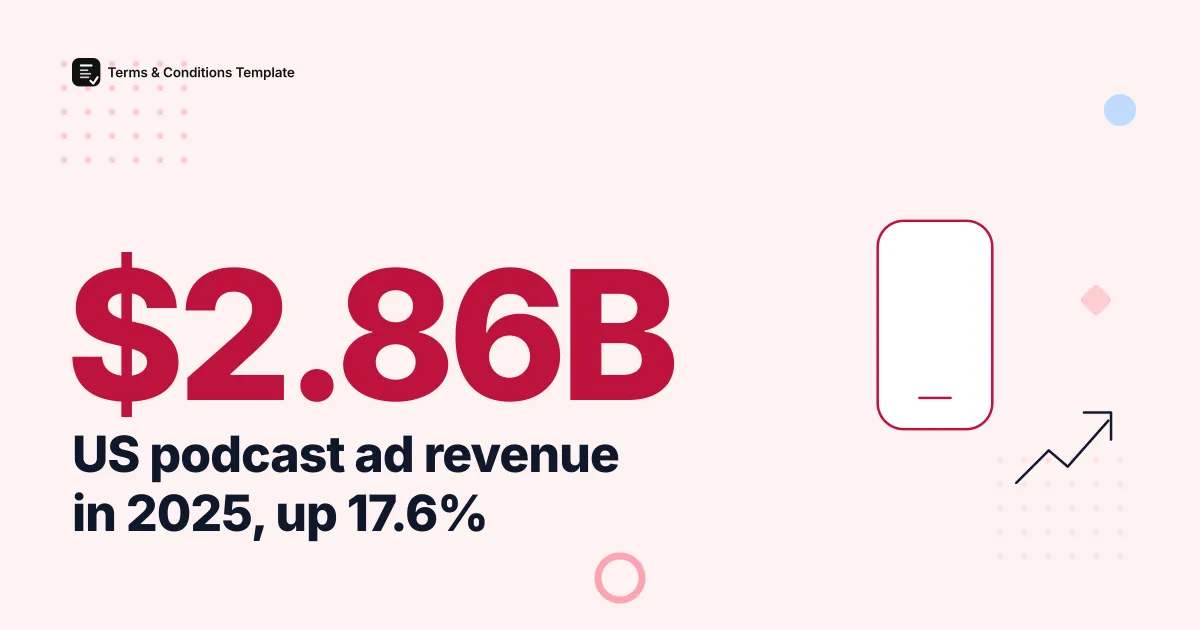
US podcast advertising revenue reached $2.862 billion in 2025, up 17.6% year over year, according to the IAB and PwC's U.S. Podcast Advertising Revenue Study. See the 2026 data on ad spend, listener reach, and genre share.
Prime Day 2026 generated $26.4 billion in US online sales over four days, up 9.3% year-over-year, according to Adobe Analytics. See the sales trend since 2023, AI shopping data, and what happens to Prime Day purchases that come back.
What a Chrome extension's privacy policy must disclose about permissions, browsing data, and Chrome Web Store review requirements, clause by clause.
What Apple App Store and Google Play review for in a mobile app's privacy policy, and the data-collection disclosures a website privacy policy usually skips.
The double opt-in, list-provider disclosure, and unsubscribe-rights language a privacy policy needs when the site's main data collection is an email signup form.
How a Privacy Policy and a Terms and Conditions agreement differ, which one the law actually requires, and when a site needs to publish both.
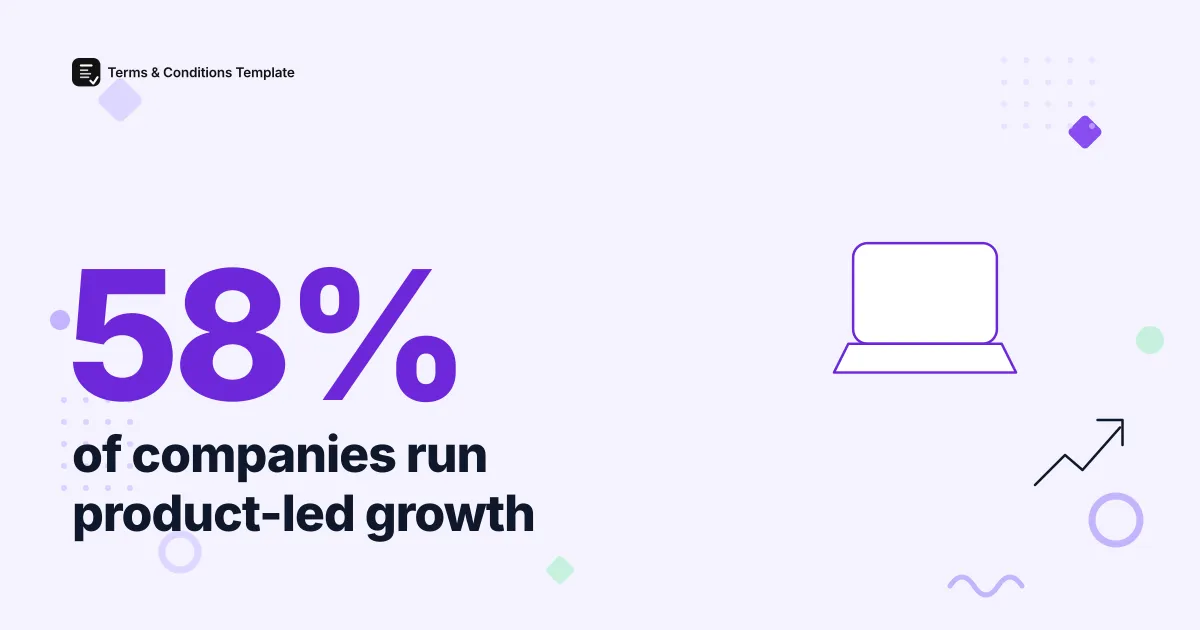
58% of companies now run a product-led growth model, according to Mixpanel's 2026 State of Digital Analytics report, based on behavior across more than 12,000 companies. See PLG adoption, trial conversion, and retention data for 2026.
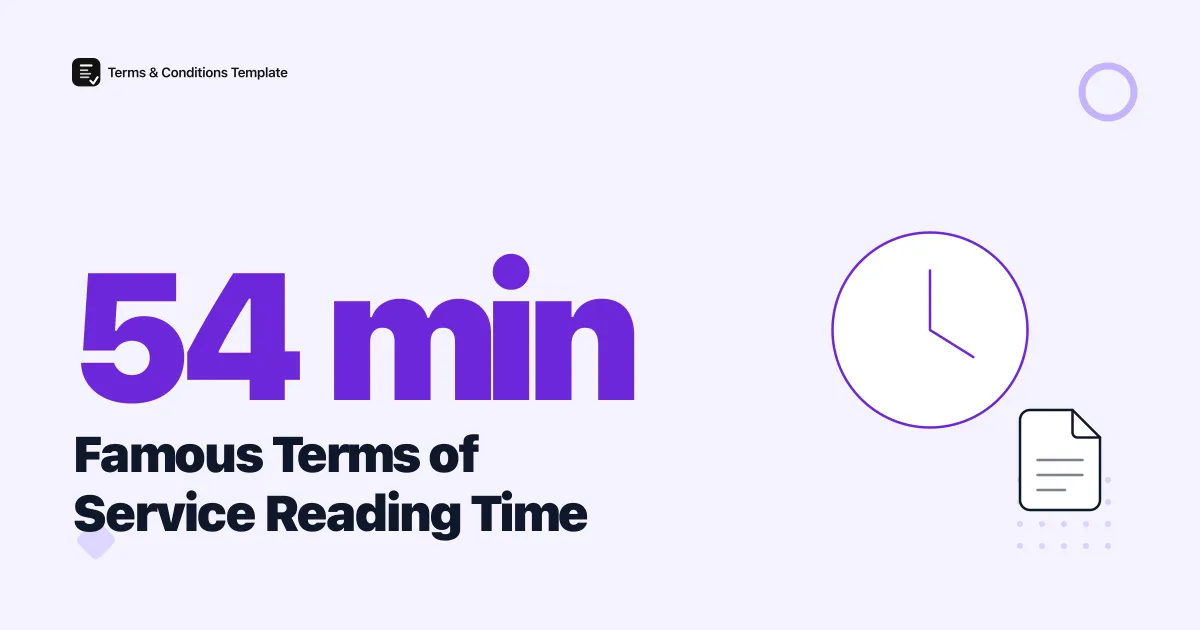
Reading a major company's terms and conditions takes 54 minutes on average in 2026, per Secure Data Recovery's analysis of 100 companies. See how AT&T, Grindr, TikTok, and Microsoft compare, and how their reading time stacks up against Macbeth and the Art of War.
The third-party-data-accuracy and no-brokerage-relationship language a property listing aggregator needs, distinct from an individual agent's disclaimer.
What a real estate website disclaimer needs to cover: license status, market data, property valuations, referral relationships, and equal housing language, and how those pieces change depending on what your site actually does.
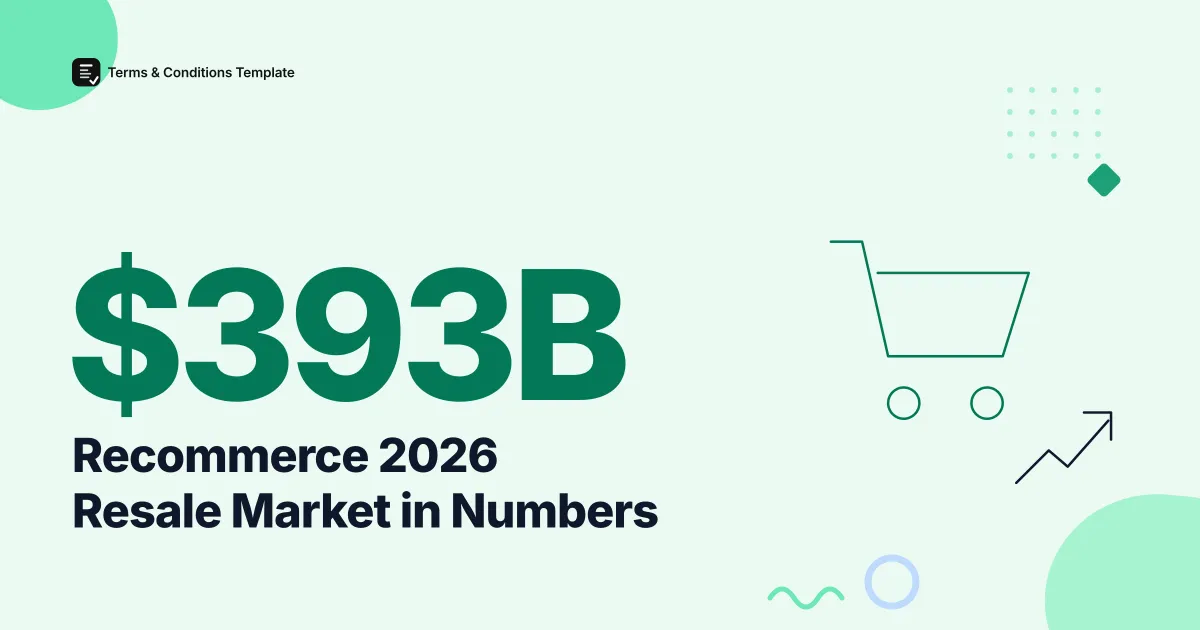
The global secondhand market is projected to reach $393 billion by 2030, according to ThredUp's 2026 Resale Report (GlobalData research, 3,268 US shoppers surveyed). See US market size, Gen Z adoption, and platform growth data for 2026.
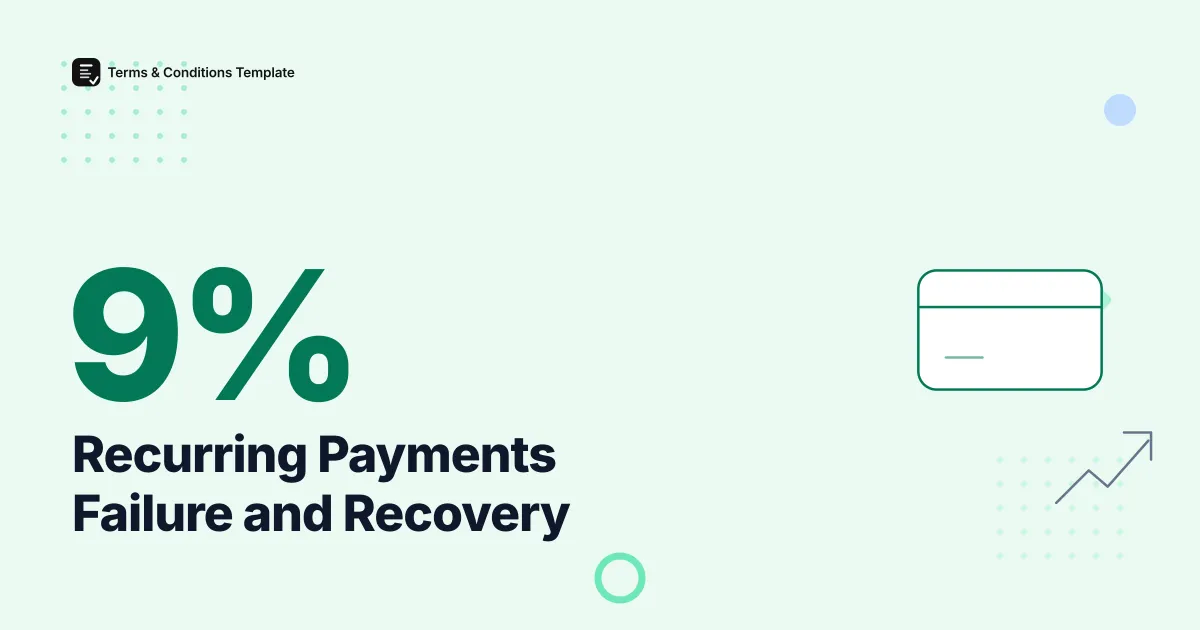
Subscription businesses lose an average of 9% of monthly recurring revenue to failed payments in 2026, per Baremetrics. See card decline rates, involuntary churn benchmarks, and recovery data from Recurly and GoCardless.
Reddit's 2025 annual report shows 121.4 million daily users in Q4, $2.2 billion in revenue and a turn to profit. See how advertising and content licensing earn, who moderates, and the scraping and AI-training risks the company names.
How to write a refund policy for SaaS, digital downloads, and subscriptions, covering mid-cycle proration, trial-to-paid conversion windows, and app store rules that override your own terms.
A Refund and Return Policy is essential for any online store. Learn what it must cover, why customers expect it, and how to generate one.
Ticket refund policies fail for one reason more than any other: they treat every cancellation the same. Here is why event cancellation, postponement, and no-show need separate language, and where disclosure law fits in.
How to write cancellation windows, freeze and hold terms, and initiation-fee refund rules for a gym or fitness studio membership refund policy.
How to set partial-completion refund windows, cohort-start cutoffs, and no-refund-after-access thresholds in a refund policy for course creators.
Subscription boxes ship curated physical goods on a recurring schedule, which raises refund questions a digital subscription policy never faces: skip vs cancel deadlines and damaged-shipment handling.
Refund policy and return policy get used interchangeably, but they describe two different steps in a transaction. Here is what the law actually regulates, and what your document needs to cover either way.
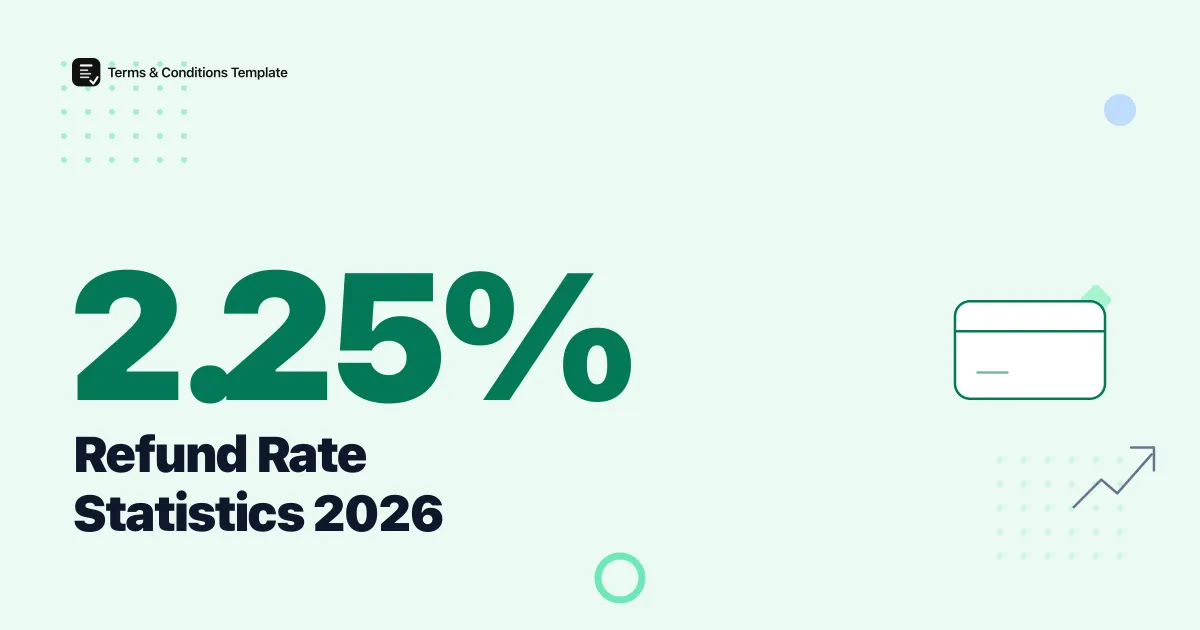
About 2.25% of purchases were refunded between January and October 2025, per ACI Worldwide's transaction data, rising to 2.89% in December. See how often shoppers actually get their money back in 2026.
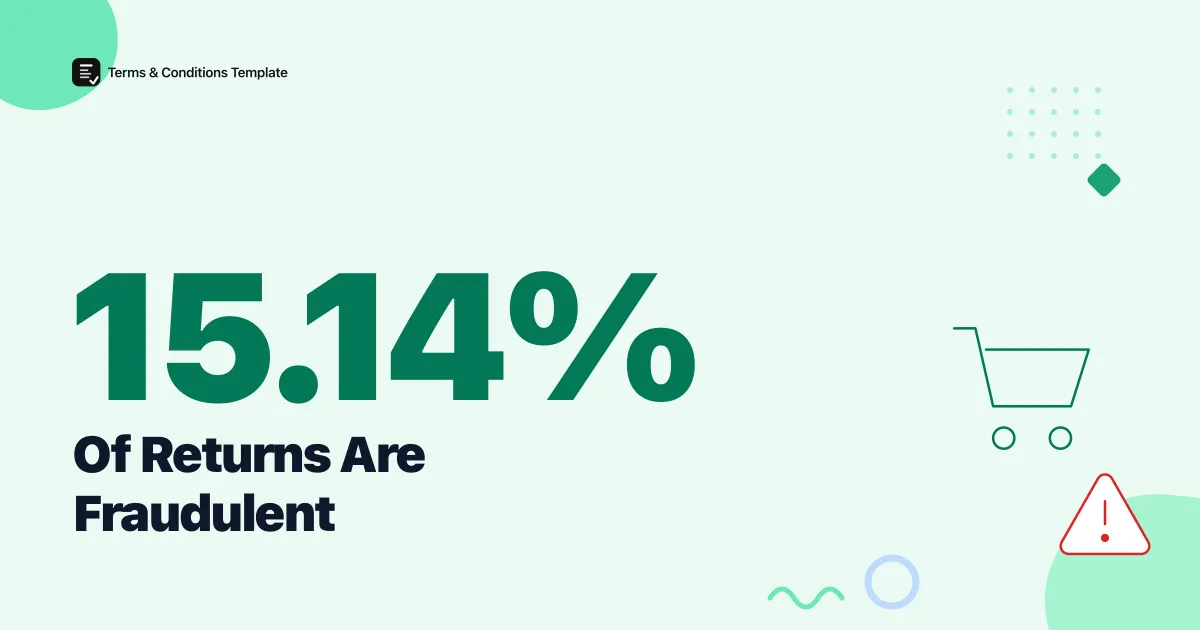
About 15.14% of US retail returns were fraudulent or abusive in 2024, costing retailers $103 billion, according to Appriss Retail and Deloitte's Consumer Returns report. See 2026 return fraud rates, costs, and detection methods.
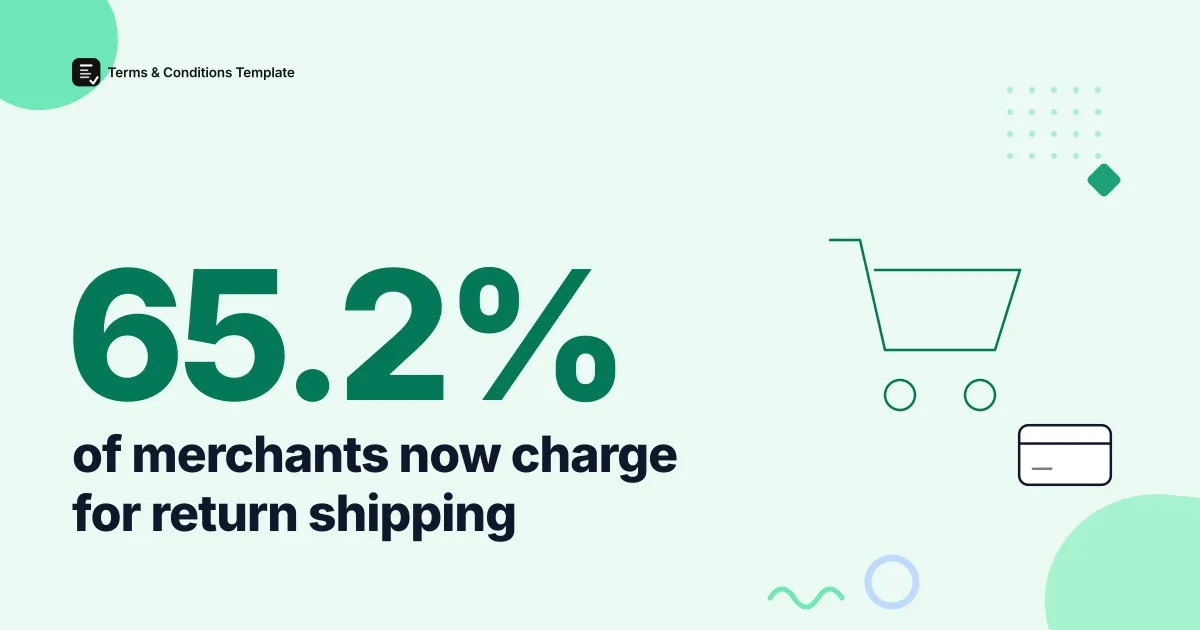
65.2% of merchants now charge a fee on at least some returns, averaging $9.04 per return, according to Loop Returns' analysis of 23.4 million returns. See what free shipping costs retailers and what shoppers still expect in 2026.
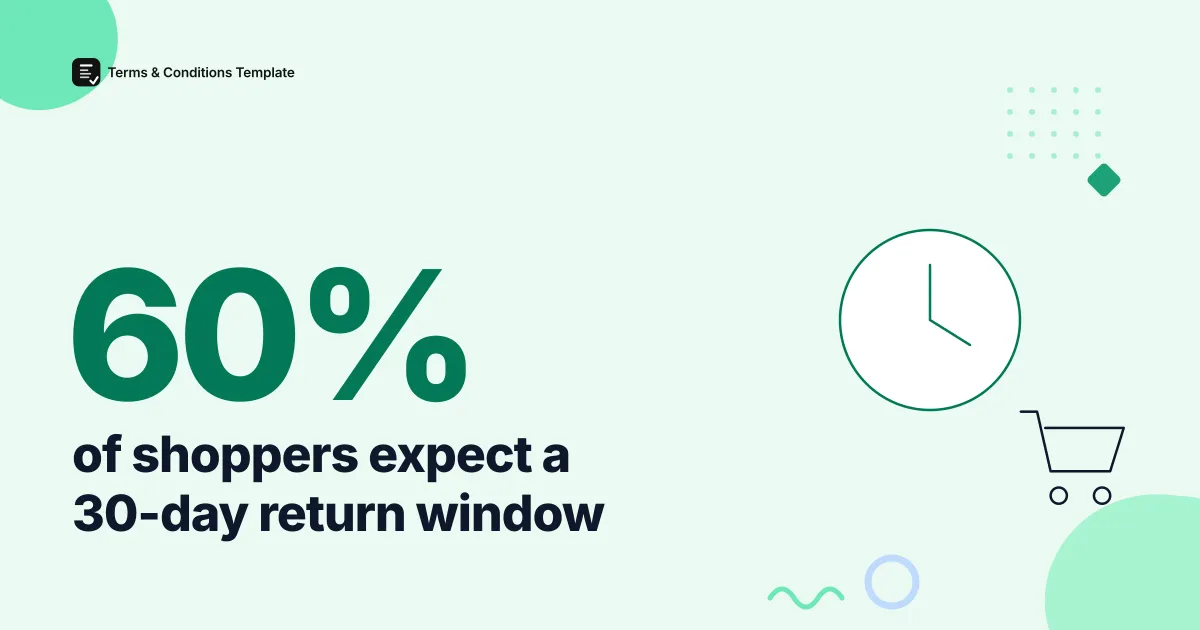
60% of online shoppers expect a traditional 30-day return window, while 28% expect 60 days and 12% expect 90, according to Radial's 2026 consumer research. See how policy length compares across major retailers.
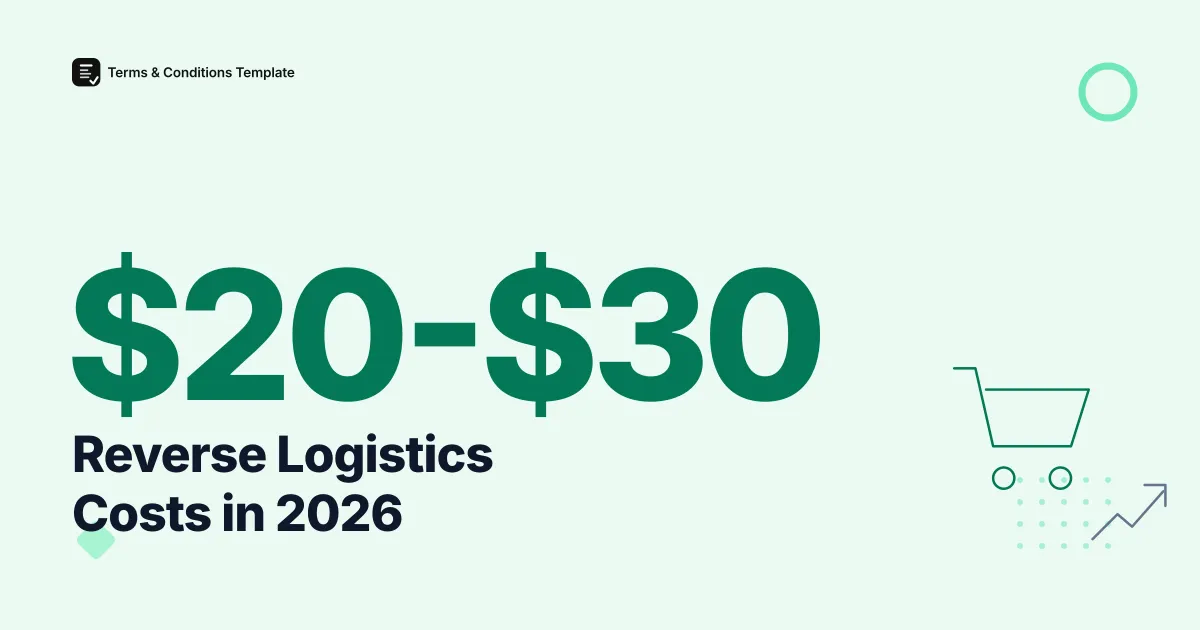
Processing a single returned item costs retailers an estimated $20 to $30 once shipping, inspection, restocking and support are counted, and the global reverse logistics market is valued at $936 billion in 2026. See the full 2026 cost and market data.
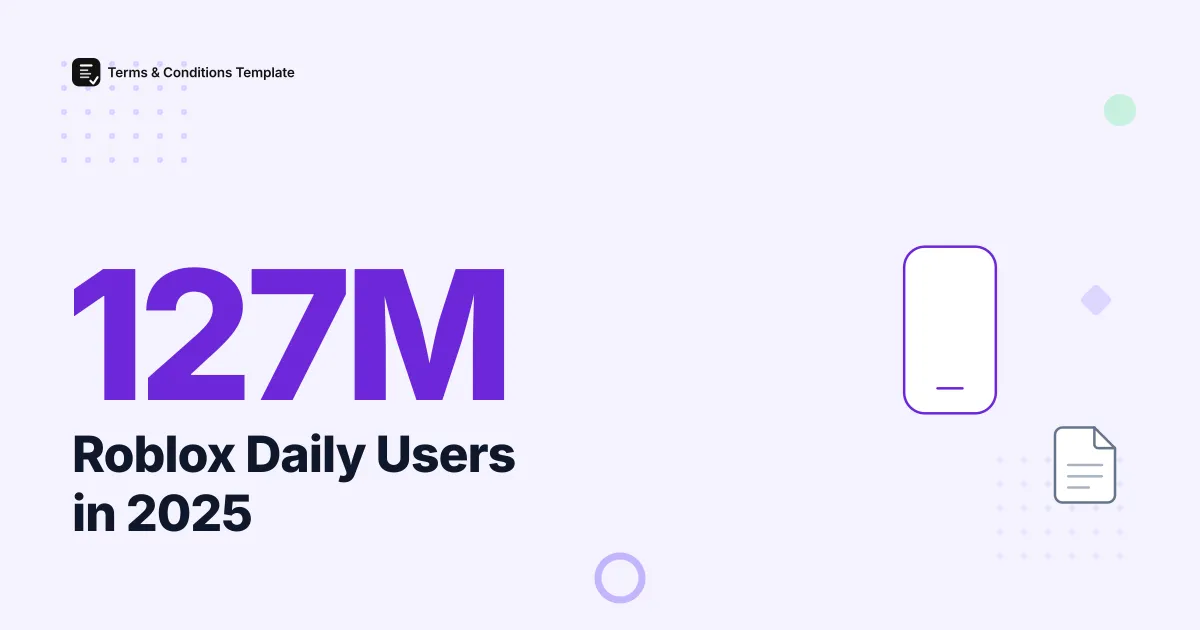
Roblox's 2025 annual report shows 127 million average daily users, 123.9 billion hours engaged and $6.79 billion in bookings. See how few players pay, what Robux is under the terms, and the child-safety rules behind the platform.
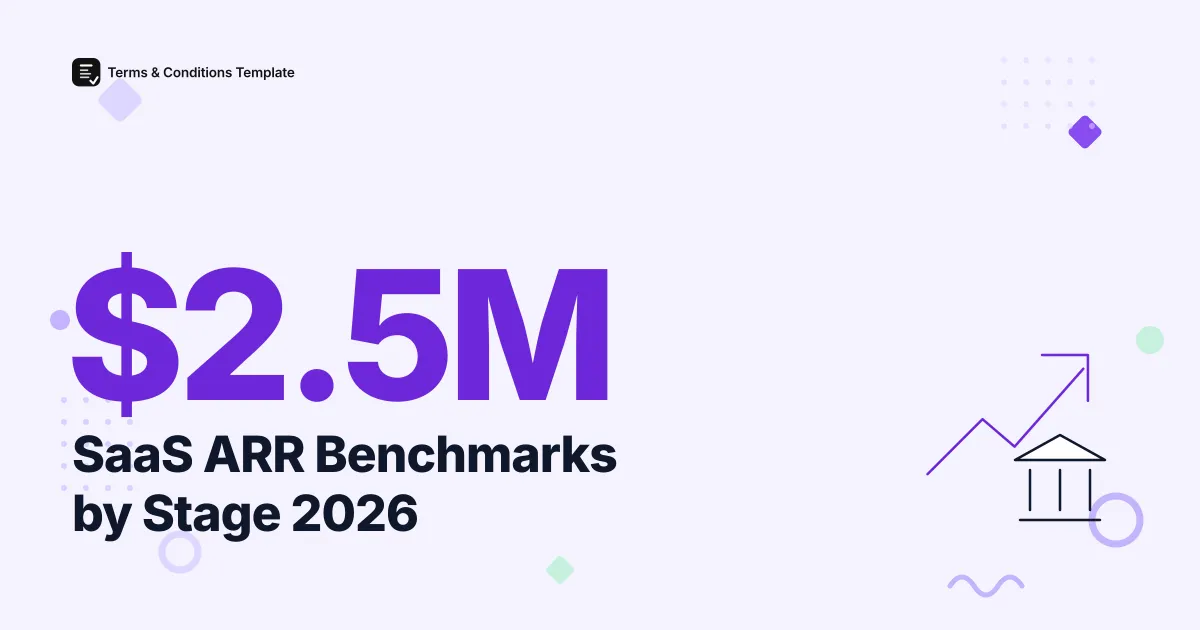
Median ARR at Series A reached $2.5 million in 2025, up roughly 75% since 2021, per SVB's State of the Markets Report. See 2026 SaaS ARR benchmarks by stage: growth rates, NRR, and ARR per employee from Series A through $50M+ ARR.
AI-native SaaS products kept a median of just 40% of gross revenue over the year ending September 2025, per ChartMogul's analysis of 3,500 software companies, versus 82% for B2B SaaS. See 2026 churn benchmarks by company stage, price point, and business model.
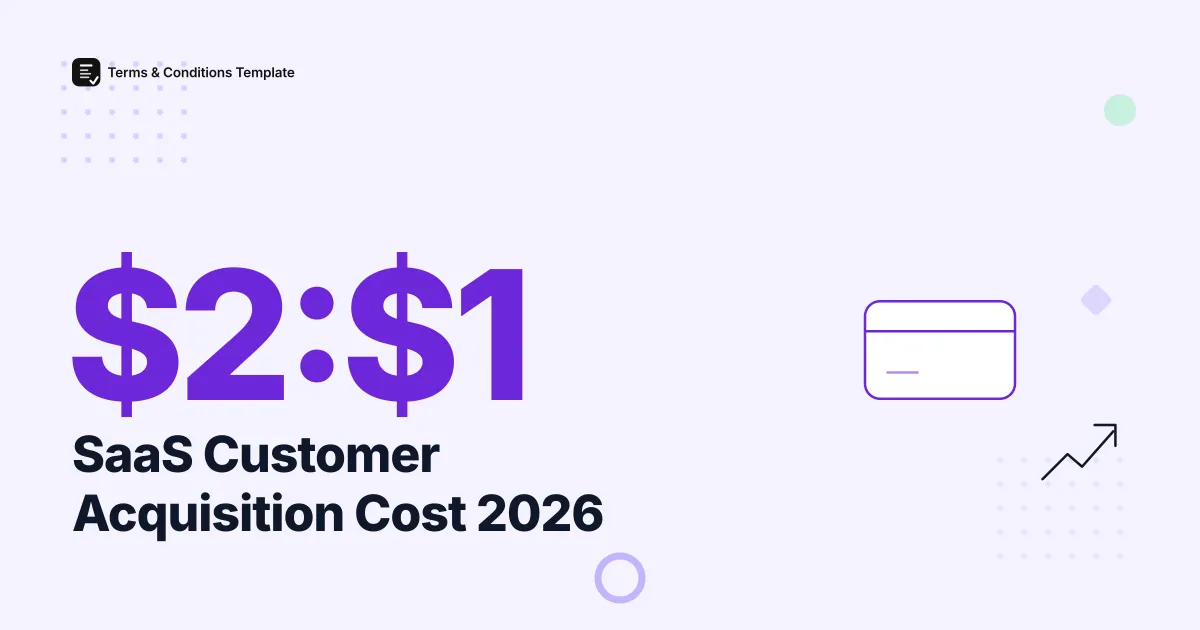
The median B2B SaaS company now spends $2.00 in sales and marketing to win $1.00 of new annual recurring revenue, up 14% year over year, according to Benchmarkit's 2025 SaaS Performance Metrics report of private B2B SaaS companies.
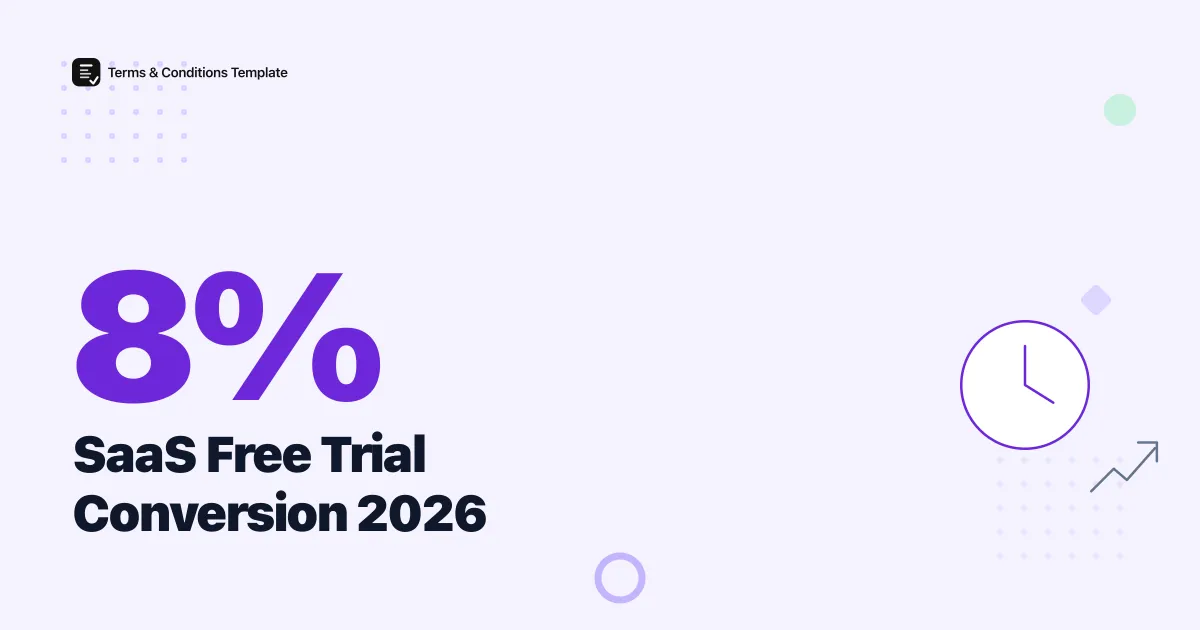
8% of B2B SaaS products convert a free trial into a paying customer at the median, per a January 2026 survey of 200 self-serve products from ChartMogul, ProductLed, and Growth Unhinged. See conversion by pricing model, credit-card requirement, and trial length.
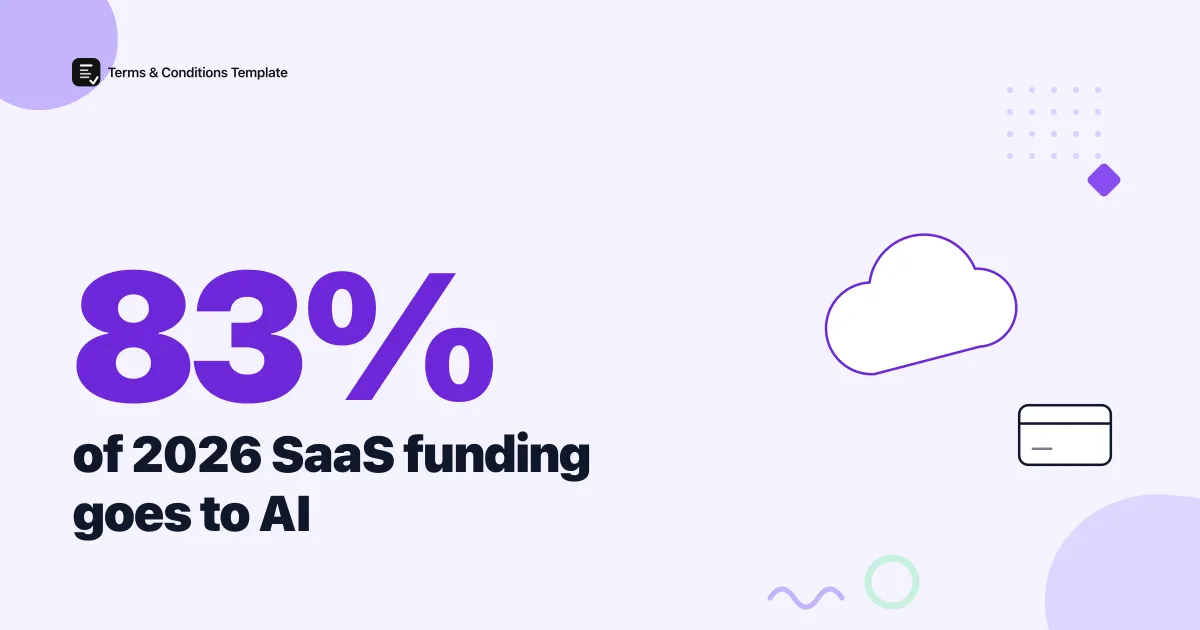
83% of all capital raised by SaaS startups in Q1 2026 went to AI-enabled companies, according to Carta's State of Private Markets report. See the full 2026 SaaS funding picture: total venture dollars, seed and Series A valuations, deal concentration, and down-round trends.
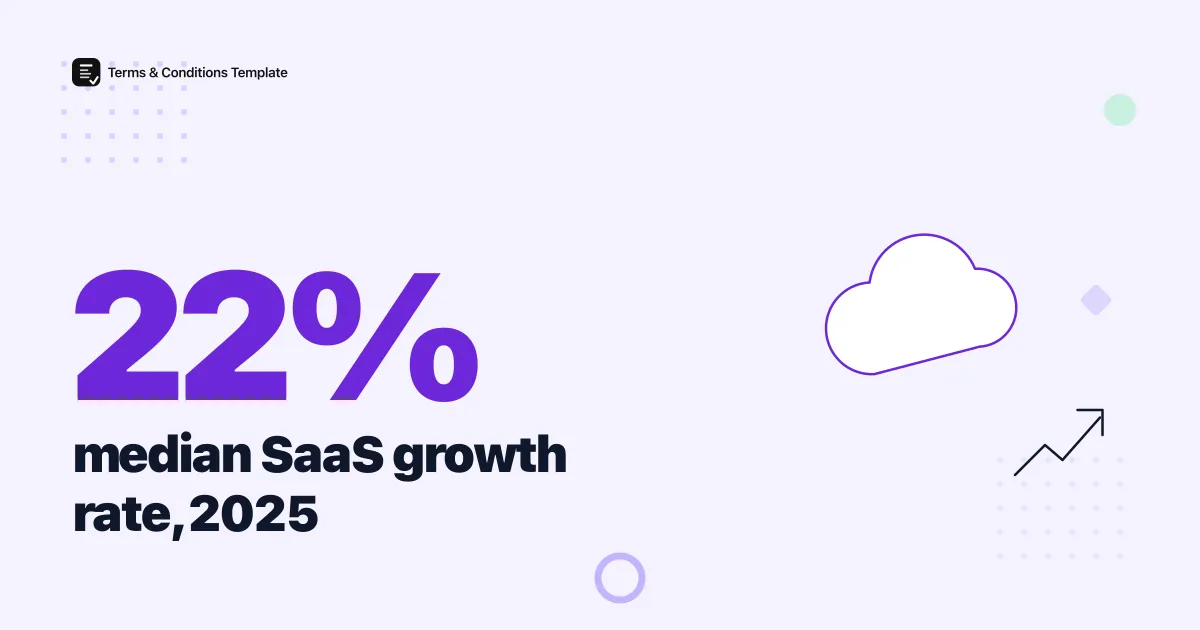
Median growth for private B2B SaaS companies fell to 22% in 2025, down from 25% in 2024, per SaaS Capital's 14th annual survey of 1,000+ companies. See growth benchmarks by company size, funding type, and the Rule of 40.
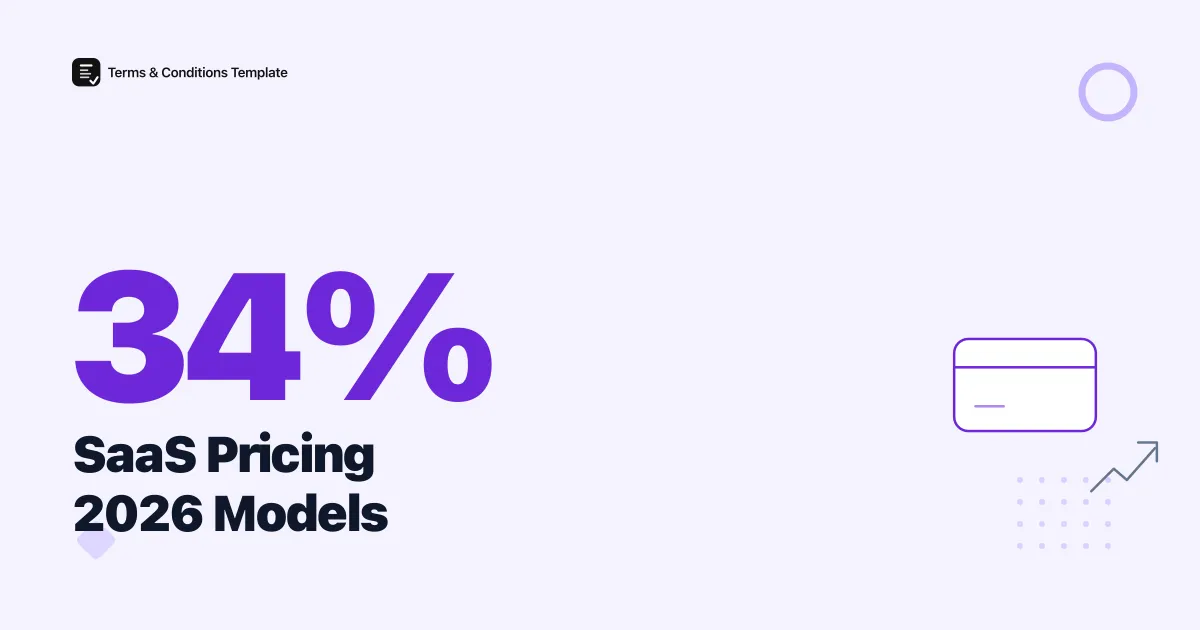
34% of SaaS companies now price with a platform fee, the single most common structure, according to Price Intelligently by SBI's 2025 survey of 321 pricing leaders. See how usage-based, per-seat, and free-trial pricing compare, plus 2026 benchmarks for tier counts and price increases.
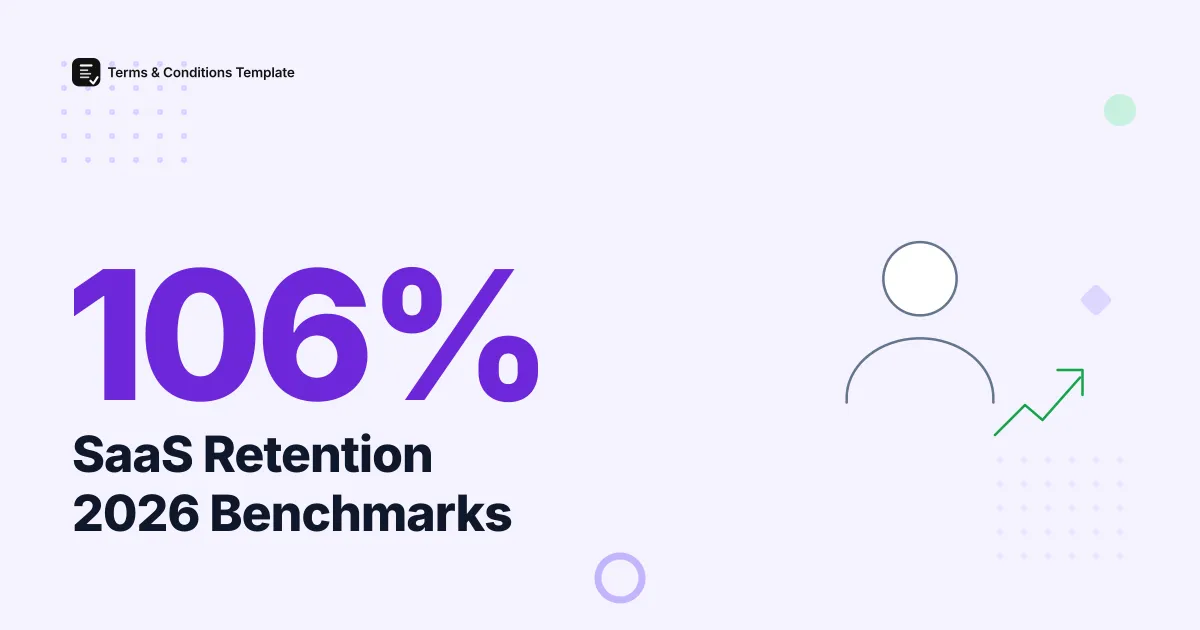
SaaS companies with net revenue retention above 106% grow at a median 54% year over year, versus 20% for companies below 98% NRR, according to High Alpha's 2025 SaaS Benchmarks Report (n=800+). See 2026 NRR benchmarks by ARR tier, the Bessemer good/better/best framework, and how retention ties to growth and CAC payback.
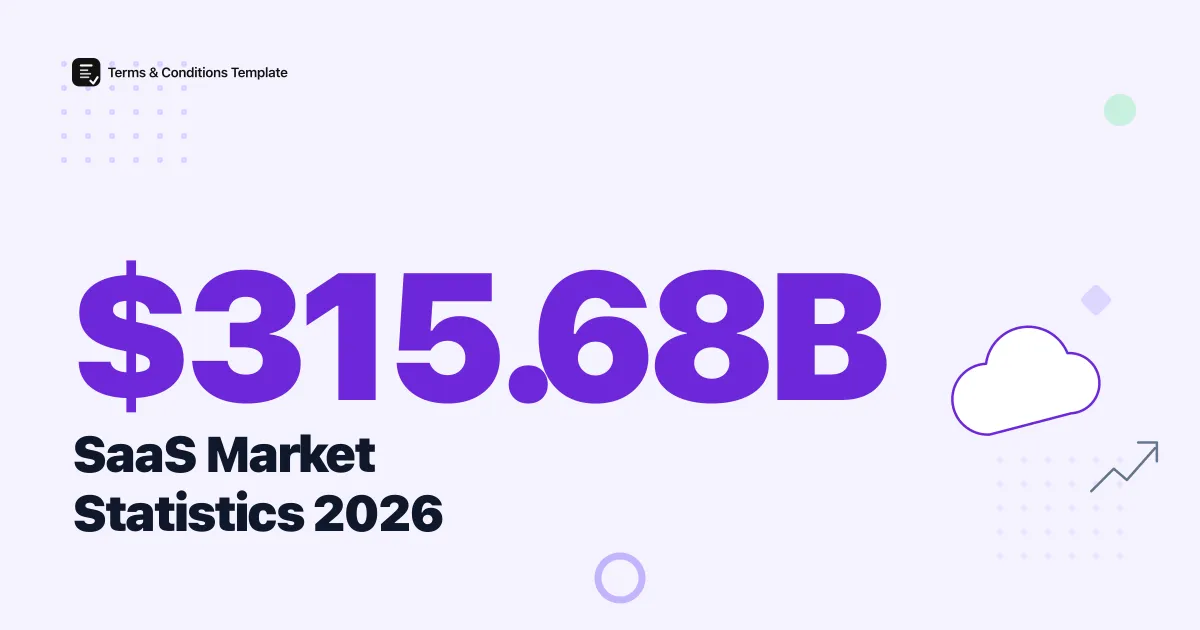
The global SaaS market reached $315.68 billion in 2025, according to Fortune Business Insights, while Statista counts over 30,800 SaaS companies worldwide. See the 2026 market size, company count, and app-sprawl data.
A DPA governs the controller-processor relationship under GDPR Article 28. Standard Contractual Clauses are the separate mechanism that makes it lawful to move personal data outside the EU/EEA. Here is how SaaS companies need both.
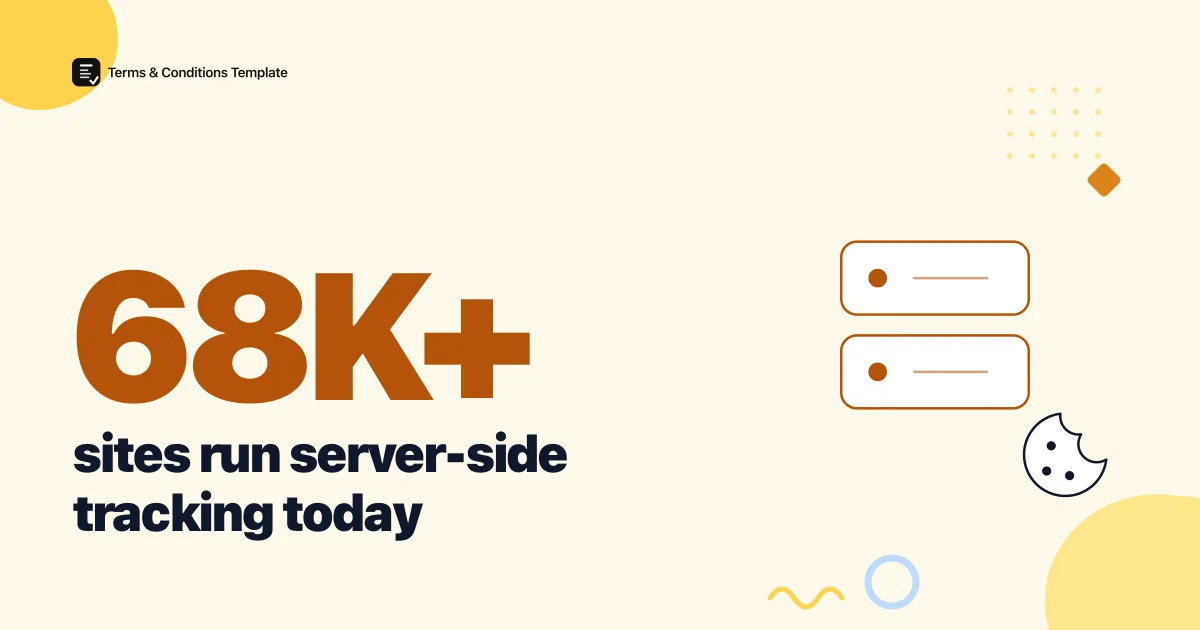
68,262 websites now run Google Tag Manager's server-side tagging container, per BuiltWith's live technology tracker. See 2026 server-side tracking adoption data, browser blocking rates, and the enforcement actions driving the shift.
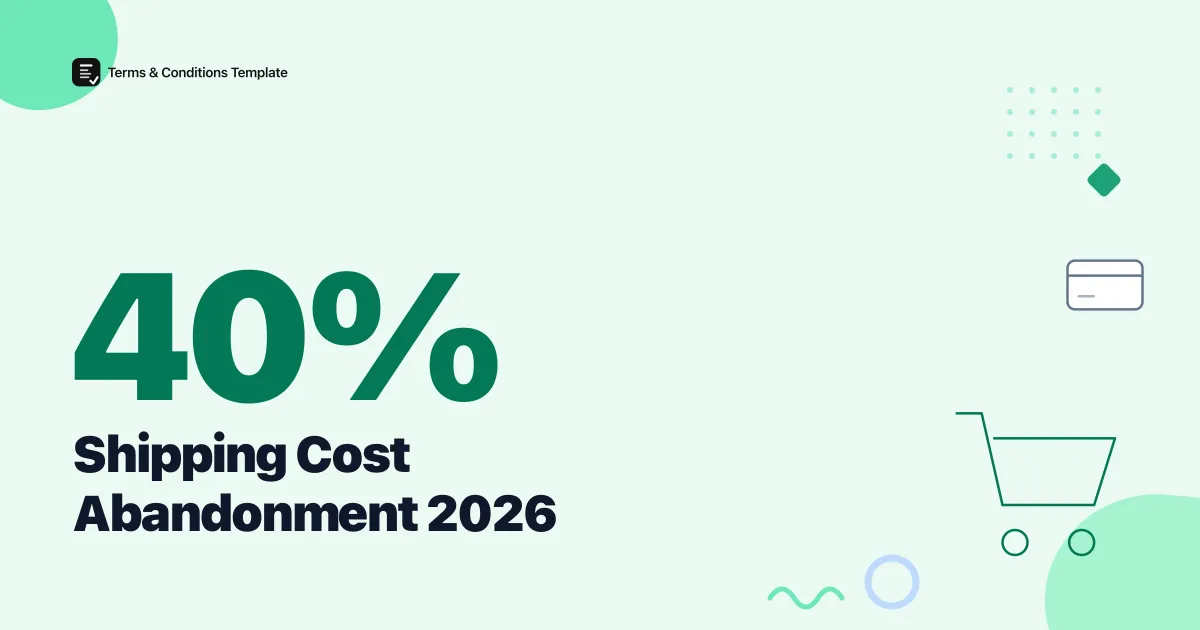
40% of shoppers who abandon a cart blame extra costs like shipping, tax, and fees, per Baymard Institute's ongoing checkout research. See 2026 shipping-cost abandonment data, free-shipping thresholds, and what actually recovers the sale.
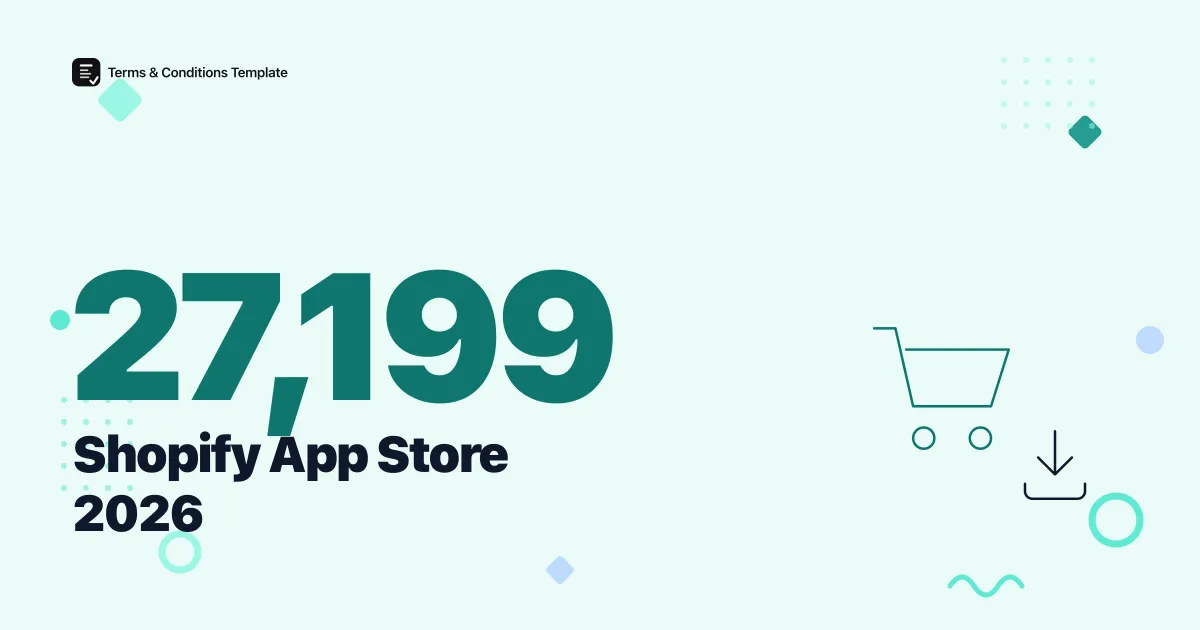
The Shopify App Store carried 27,199 published apps from 16,980 developers as of July 2026, according to Store Leads. See the full 2026 breakdown of app counts, developer earnings, revenue share, and the most-installed apps.
Shop Pay accelerated checkout lifts conversion by up to 50% versus guest checkout, per a 2023 Shopify-commissioned consulting study. See 2026 checkout completion, mobile vs desktop, and page-speed conversion data.
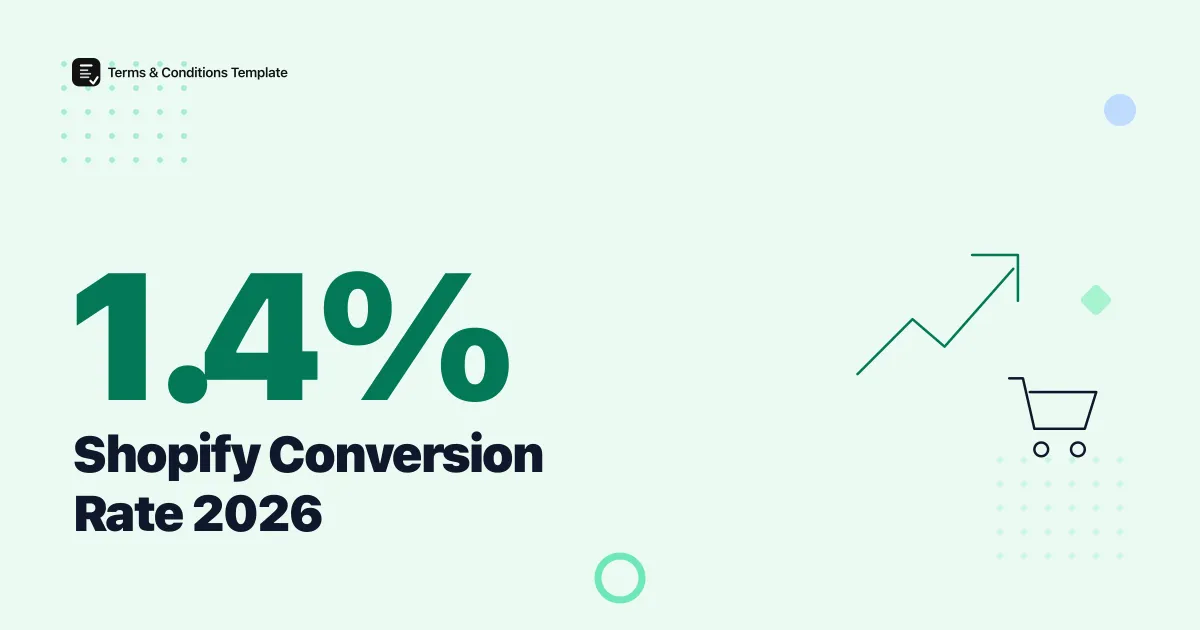
The average Shopify store converts visitors into buyers at 1.4%, while the platform's top 10% of stores convert above 4.7%, according to Littledata's benchmark of 2,800 Shopify sites. See 2026 conversion benchmarks by device, funnel stage, and store tier.
Shopify runs 31.2% of all e-commerce systems tracked by W3Techs, and 5.3% of all websites, as of July 30, 2026, second only to WooCommerce's 48.4% share. Here is the full platform ranking, Shopify's growth from 0.3% in 2015, and what platform choice means for a store's own terms and conditions.
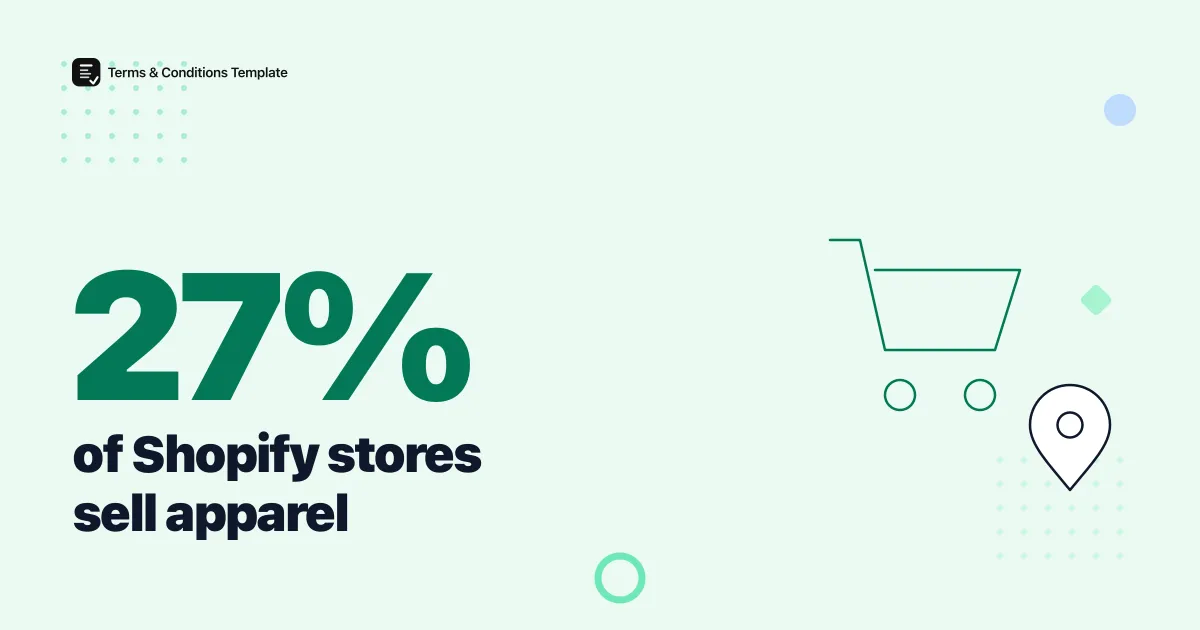
Apparel is the single largest category on Shopify, run by 27.1% of the platform's 2.92 million live stores, while the United States hosts 38.1% of all sellers, according to Store Leads' July 2026 report. Here is the full breakdown of who sells on Shopify and where.
Shopify merchants generated more than $100 billion in GMV in a single quarter for the first time in Q1 2026, per the company's May 2026 earnings release, with revenue up 34% year over year to $3.17 billion. Here is the full 2026 revenue and growth breakdown.
Shopify merchants sold $378.4 billion in goods in 2025, up 29% year over year, according to Shopify's FY2025 SEC filing. See the full 2026 breakdown of store counts, merchant numbers, countries, and revenue.
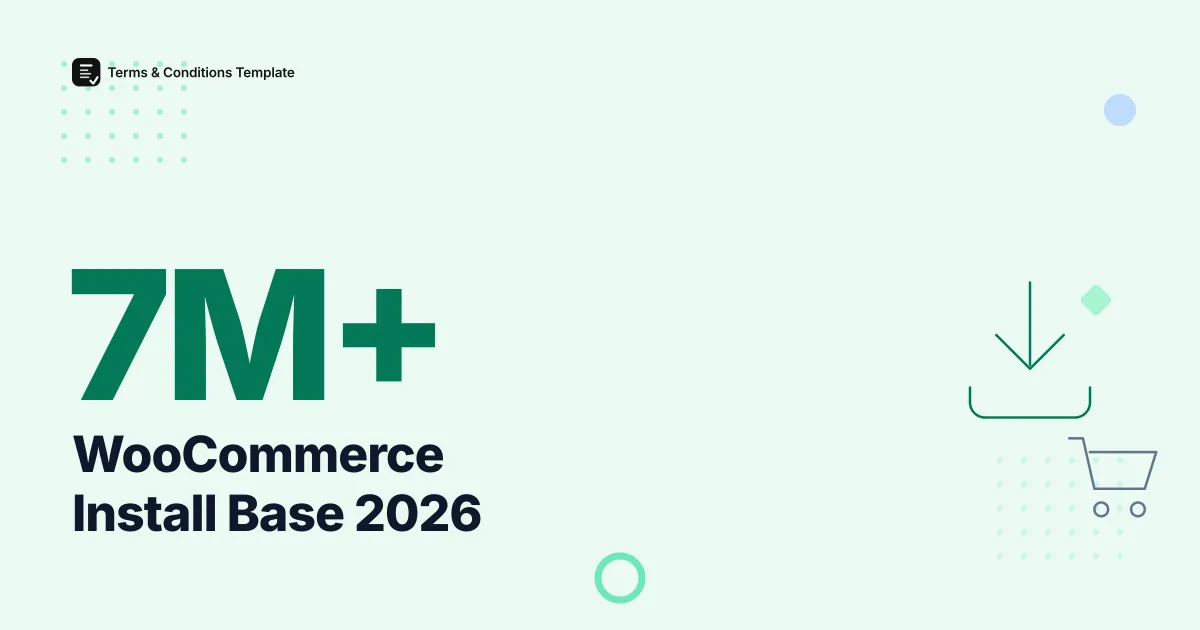
WooCommerce runs 48.1% of the e-commerce systems W3Techs tracks in 2026, ahead of Shopify's 31.7%, per W3Techs' August 28, 2026 crawl. Compare store counts, growth trends, pricing, GMV, and app ecosystems for both platforms.
Apps installed outside an official app store are 50 times more likely to contain malware than apps from Google Play, per Google's 2025 data. See the 2026 numbers on how the EU Digital Markets Act changed sideloading, fees, and app review.
87% of small businesses with a website sell something online, but just 19% accept payment directly on their own site, according to 2025 surveys from Clutch and NFIB. See the full 2026 data on small business ecommerce adoption, returns, and refund policy expectations.
Small businesses with fewer than 50 employees spend 19.2% of revenue on marketing, more than double the 9.4% average across all company sizes, according to the 2025 CMO Survey from Deloitte, Duke Fuqua, and the American Marketing Association. See the full 2026 data on budgets, AI adoption, reviews, and disclosure rules.
83% of US small businesses have a website as of 2025, up from 65% in 2018, according to Clutch's August 2025 survey of 406 small business owners. See the full 2026 data on adoption, reasons for going without, and lead sources.
US social commerce sales are forecast to top $100 billion in 2026, per eMarketer's US Social Commerce Forecast, as TikTok Shop's monthly US GMV crosses $1 billion. See the 2026 numbers by platform, category, and buyer trust.
48% of organizations were audited for software license compliance in the past year, per Flexera's 2026 State of ITAM Report (500+ IT asset management professionals). Here is what the audit, open source, and market data actually shows.
Visits to software piracy sites fell 24.5% to 11.2 billion in 2025, per MUSO's June 2026 report. See the unlicensed-install rate, malware costs, and legal penalties, with the source named for each number.
68% of US solopreneurs have less than six months of savings or no financial safety net at all, per Simply Business's 2025 survey of 1,023 solopreneurs. See how many Americans run a one-person business and what it actually costs them in 2026.
Spotify's 2025 annual report shows 290 million Premium subscribers, 751 million monthly users and €17.2 billion in revenue. See how Premium and ads split, the margins, and the €1.8 billion Apple fine over how apps may tell users about prices.
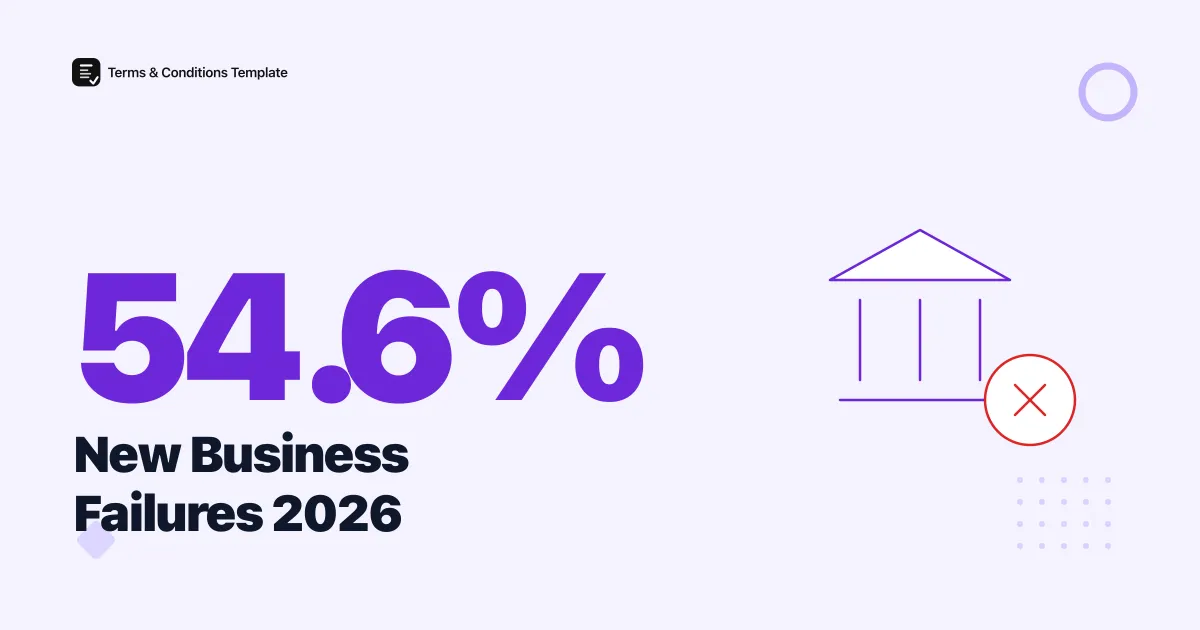
51.4% of new US businesses survive to their fifth year, per Bureau of Labor Statistics cohort data through March 2025. See 2026 data on how many startups are founded, how much venture funding they raise, and why they fail.
A cooling-off period is a legal right to cancel a signed contract, not a customer-service perk your refund policy grants. Here is what federal and state law actually require, and when it applies to you.
54% of shoppers would take store credit over a cash refund when offered a small bonus, according to Narvar's 2025 State of Post-Purchase report (3,461 US shoppers). See how retailers gate store credit, cash preference, and repeat purchase data for 2026.
68% of streaming subscribers now choose an ad-supported plan in 2026, an increase of more than 20 percentage points from 2024, according to Deloitte's 2026 Digital Media Trends survey of 3,575 US consumers. See 2026 data on streaming spend, price-hike cancellation risk, and subscriber churn.
Stripe processed $1.9 trillion in total payment volume in 2025, up 34% from 2024, according to its own 2025 annual letter. See Stripe's volume, valuation, and business-adoption data for 2026.
The FTC announced on April 9, 2026 that StubHub will pay $10 million and adopt all-in pricing after being charged with drip pricing under the FTC Act and the agency's Junk Fees Rule. Here is what the order requires and what it means for how you disclose fees.
The global subscription box market will reach $49.7 billion in 2026, up from $41.47 billion in 2025, according to Research and Markets. See 2026 data on category share, churn, and average spend.
The average subscription business lost 3.60% of its subscribers a month in July 2026, according to Recurly's cross-industry billing benchmark data, split into 2.34% voluntary and 1.25% involuntary churn. Here is why subscribers cancel, how hard cancellation flows still are, and where the law stands.
The global subscription economy will reach $738.82 billion in 2026, up from $623.61 billion in 2025, according to Research and Markets. See subscriber growth, churn, and spending data for 2026.
60% of consumers say a $5 price increase on their favorite streaming subscription would make them cancel, according to Deloitte's 2025 Digital Media Trends survey of 3,595 US consumers. See how fast subscription prices are climbing in 2026 across streaming, software, and subscription boxes, and what new state laws require before a price hike.
Substack passed 5 million paid subscriptions in March 2025 and reached a $1.1 billion valuation after its July 2025 Series C. See 2026 data on writer earnings, platform fees, and what Substack's own Terms of Use means for your liability.
Temu's US monthly active users grew 21% year over year from January to May 2026, per Sensor Tower, after falling 51% to 40.2 million in 2025. See parent PDD Holdings' revenue, ad spend, fines and the 90-day return rules.
A freemium tier and a free trial need different clauses in your terms and conditions. Here is how to draft the free-to-paid consent language, usage limits, and downgrade rules each model actually requires.
A marketplace does not sell anything itself; it hosts independent sellers and connects them with buyers. Here is what your Terms and Conditions needs to say about seller vetting, buyer-seller disputes, and platform liability.
How to write Terms and Conditions for a nonprofit or donation-based website, covering donation non-refund language, the tax-deductibility disclaimer, and use-of-funds language.
Subscription billing, content licensing, and syndication rights a paid newsletter's terms need, distinct from a membership site's community-access rules.
Rate limits, API key revocation, and acceptable-use language a developer-facing API platform's terms need, beyond a standard SaaS product's T&C.
How to write Terms and Conditions for an online course or cohort-based program, covering the content access window, completion-based refund thresholds, and student-conduct rules.
How to write Terms and Conditions for a coaching or consulting business, covering session cancellation windows, results disclaimers, and payment terms for service-based work.
How to write usage-rights and licensing terms for a store selling templates, fonts, or stock assets, covering personal vs. commercial use, redistribution limits, and instant-download refunds.
A dropshipping store makes promises about products it never physically inspects and shipping it does not control. Here is what your Terms and Conditions needs to say about supplier liability, delivery windows, and product accuracy.
How to write Terms and Conditions for a membership or paid community site, covering recurring billing, content-access rules, and community-conduct terms.
How to write Terms and Conditions for a mobile game selling in-app purchases, covering virtual currency, no-refund limits, and minor-spending controls under Apple and Google's rules.
A print-on-demand store hands production to a third party like Printful or Printify and often lets customers upload their own designs. Both create liability your Terms and Conditions needs to address directly.
What to include in your Shopify store's Terms and Conditions - from refund policies to dispute resolution. Covers what Shopify requires vs what you need for legal protection.
91% of consumers accept terms and conditions without reading them, per Deloitte's Global Mobile Consumer Survey. See 2026 data on who reads terms and conditions, how long it takes, and why almost nobody does it.
A Web3 or NFT platform runs on transactions a company cannot reverse, wallets it never custodies, and assets that may or may not be securities. Here is what the Terms of Service needs to say about each.
Looking for a TermsFeed alternative? We compared four top privacy policy and terms and conditions generators on features, pricing, and ease of use.
The FTC-required 'results not typical' language and testimonial-disclosure rules coaches and course creators need before publishing client success stories.
On July 6, 2026, the Supreme Court denied emergency applications to block Texas's SB 2420, letting the App Store Accountability Act's age verification and parental consent mandate stay in force, per SCOTUSblog's coverage of the order.
Microsoft's terms of service is the longest among major tech platforms at 15,260 words, per Visual Capitalist's 2020 I Agree analysis. See the 2026 ranked list of the longest and shortest terms and conditions by company and industry.
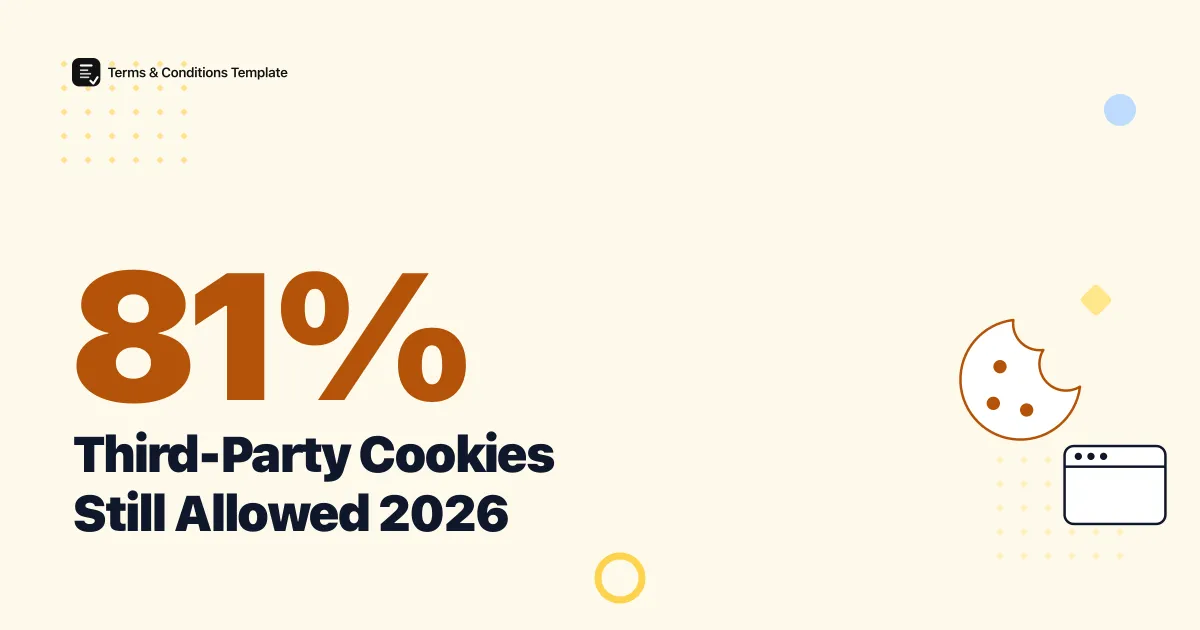
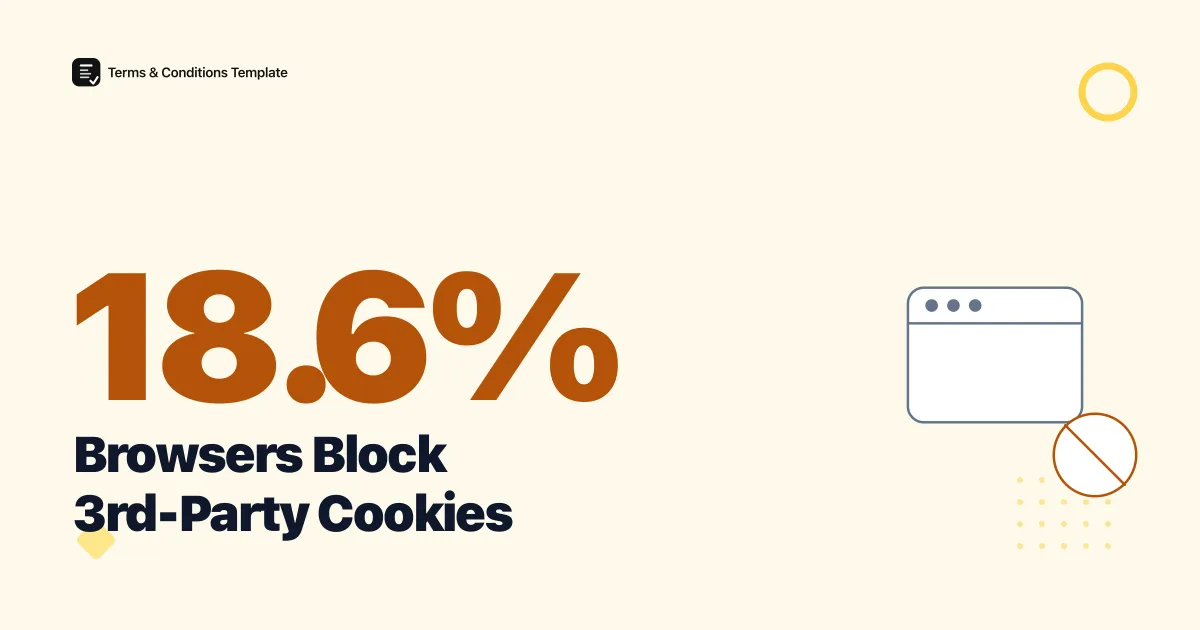
About 81% of global browser traffic still allows third-party cookies by default in 2026, since Chrome abandoned deprecation in April 2025. See the phase-out numbers by browser, region, and ad-tech spend.
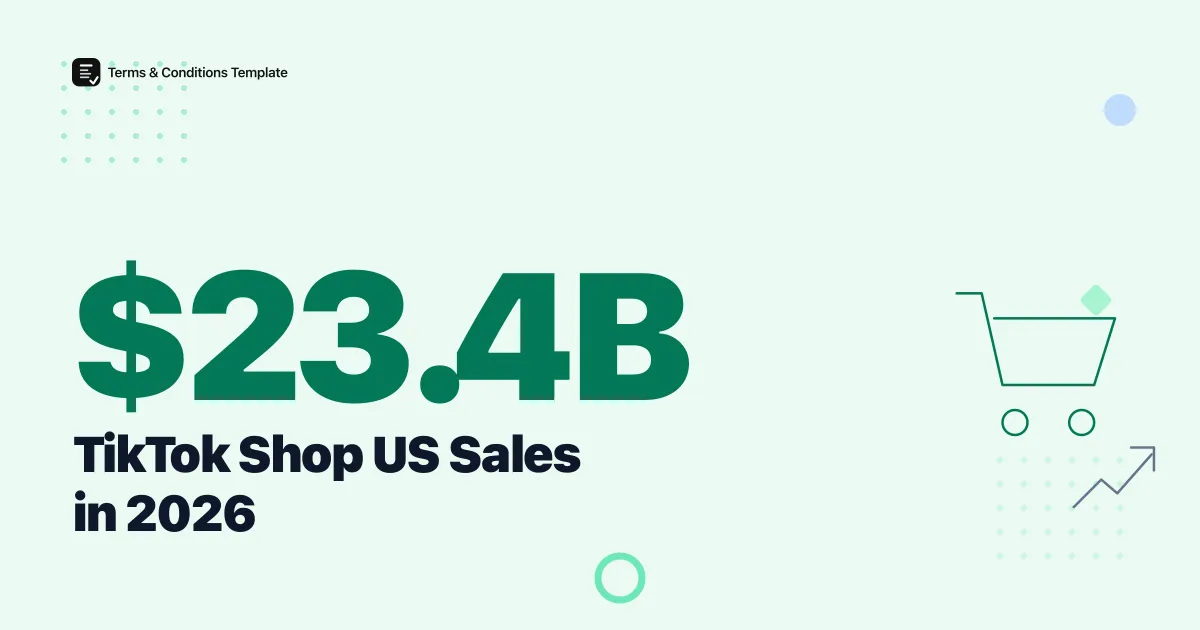
TikTok Shop's US ecommerce sales are projected to reach $23.41 billion in 2026, up 48% year-over-year, per eMarketer's December 2025 forecast. See seller counts, GMV growth, and how TikTok Shop's return and refund rules work for sellers.
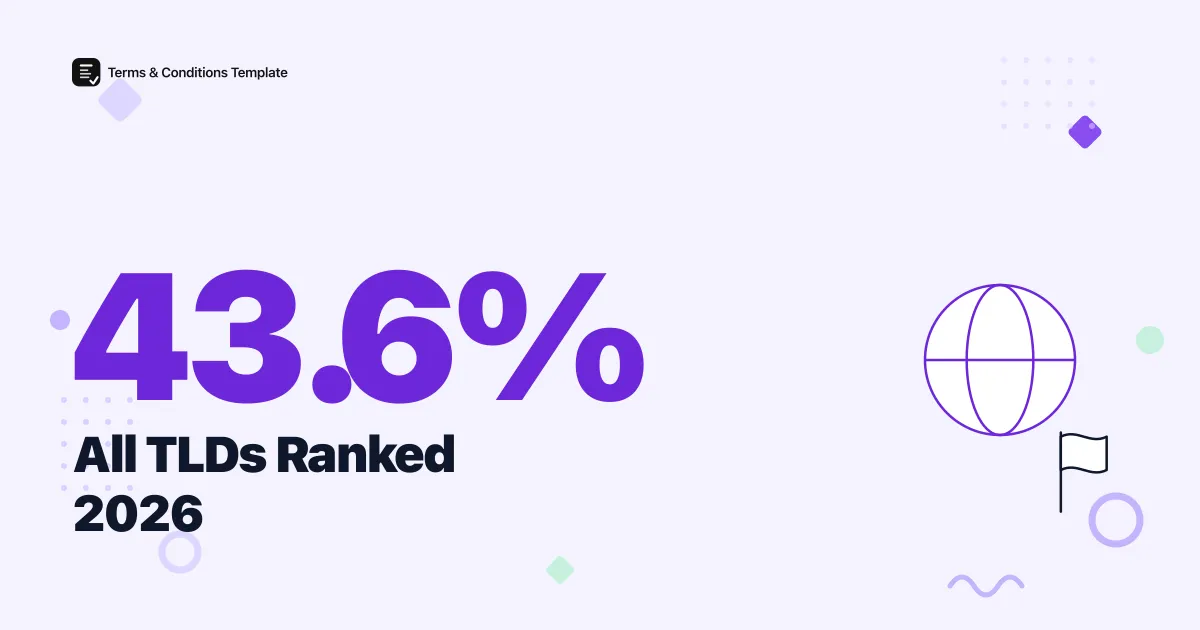
.com is used by 43.6% of the world's live websites, more than the next 19 ranked TLDs combined, according to W3Techs' July 2026 survey. See the full ranked list of top-level domains, plus registration totals by category from Verisign's Domain Name Industry Brief.
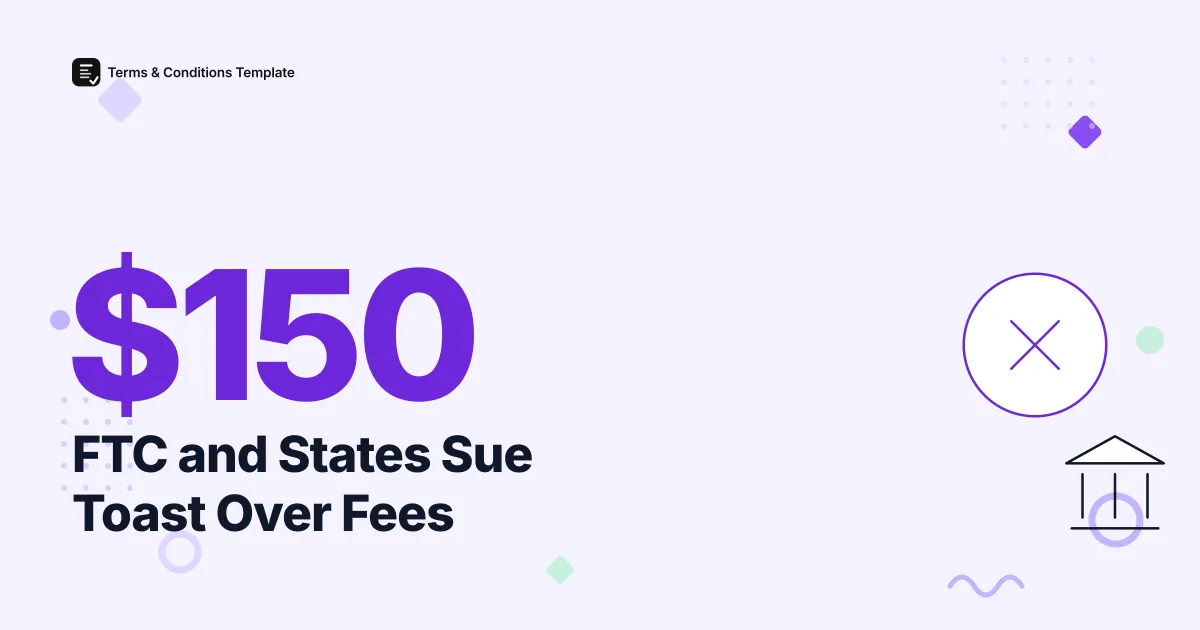
On October 29, 2026, the FTC and co-plaintiffs filed a complaint against Toast Inc. in federal court in California alleging hidden fees and deceptive subscription terms. What your own T&Cs should disclose.
The top 1% of Twitch streamers earned about half of the $889 million Twitch paid to creators between January and September 2021, according to a Wall Street Journal analysis of leaked payout data. See the 2026 data on streamer counts, subscription splits, and earnings concentration.
How opt-out US cookie rules differ from GDPR and ePrivacy's opt-in consent standard, and what a cookie policy must say differently for each audience.
Why some platforms call their legal document a User Agreement instead of Terms and Conditions, when the naming is purely cosmetic, and when a platform actually splits the two into separate documents.
Governor Phil Scott signed Vermont's H.512 (Act 109) on May 26, 2026, effective July 1, 2026, capping ticket resale at 110% of face value at qualifying independent venues and banning speculative listings and deceptive reseller URLs.
Virginia's amended automatic-renewal law took effect July 1, 2026, requiring a cancellation mechanism at least as easy to use as sign-up through every enrollment channel, per HB1022/SB493 amending the Virginia Consumer Protection Act.
The global web hosting services market reached $178.76 billion in 2026, growing at a 17.80% CAGR toward $661 billion by 2034, according to Fortune Business Insights. See market share by hosting type, top providers, and what GDPR requires when your host processes visitor data.
The wallet-connect consent, smart-contract risk, and no-refund-for-on-chain-transaction clauses a Web3 platform's terms need that a standard T&C skips.
Plaintiffs filed 3,117 website accessibility lawsuits in US federal court in 2025, up 27% from 2024, per Seyfarth Shaw. See who gets sued, where, and what the 2026 deadlines mean.
Website builders and hosted ecommerce platforms together run 15.4% of all websites worldwide as of July 2026, according to W3Techs' web technology survey. See the full builder-by-builder breakdown, Shopify vs Wix vs Squarespace, and how it compares to self-hosted WordPress.
57% of businesses spend $501 to $10,000 a year on their website, according to WebFX's survey of 250 US marketing professionals, published January 2026. Here is the real cost breakdown by business size, build type, and who does the work.
Learn what a website disclaimer is, the different types (affiliate, medical, legal, general), and when your website legally needs one.
The UGC-license, comment-moderation, and guest-author IP clauses a content blog's terms of use needs once readers can post and contribute.
How to tell whether a blog, portfolio, or informational site can get by with a simple Website Terms of Use, or needs a full Terms and Conditions agreement.
Running a website without Terms and Conditions exposes you to real legal and business risks. Here is what can go wrong and how to fix it.
Learn what a Cookie Policy is, when you legally need one, and what it must contain under GDPR, ePrivacy, and CCPA regulations.
96.01% of apps across the Apple App Store and Google Play are free to download, per 42matters' live catalog tracker measured July 25, 2026. See the free-versus-paid split by store, how it compares to 2025, and what it means for a EULA.
95% of app installs churn out within 30 days per Business of Apps' compiled 2025 retention benchmarks, and 90% of app-based startups fail within a few years per CB Insights. Full 2026 app failure data.
Only 18.6% of global browser traffic blocks third-party cookies by default in 2026, per StatCounter's June 2026 data on Safari and Firefox. See the split by desktop, mobile, and browser engine.
Merchants estimate 43.8% of their chargebacks are friendly fraud, per Chargebacks911's 2026 Chargeback Field Report (n=250+ merchants). Card networks and industry reports put the real share anywhere from 13% to 30%, and here is why the numbers disagree so sharply.
60% of cookies found across the web are third party, rising to 78% on the most popular sites, according to the HTTP Archive's Web Almanac 2025 crawl of 1 million websites. See the full first-party versus third-party breakdown by device, popularity, and vendor.
Smartphones drove 56.4% of US online holiday transactions in 2025, up from 54.5% in 2024, according to Adobe Analytics' review of more than 1 trillion visits to US ecommerce sites. See the 2026 mobile ecommerce share data by season and category.
57% of UK influencer ads on Instagram and TikTok met disclosure rules in 2024, per the ASA and CMA's monitoring report published in May 2025. See the 2026 data on disclosure compliance by platform, region, and content category.
Mobile shopping carts are abandoned at a 77.06% rate, versus 66.39% on desktop, per Dynamic Yield's eCommerce Benchmarks dashboard (July 2024 snapshot). See the device gap, its history since 2015, and why the smallest screen carries the highest abandonment rate.
54.6% of new U.S. businesses close within five years of opening, according to Bureau of Labor Statistics Business Employment Dynamics data. See the 2026 failure-rate breakdown by year and cause.
An estimated 19.3% of online purchases were returned in 2025, according to the National Retail Federation and Happy Returns. See the 2026 return-rate breakdown by category, region, and season.
11.4% of 2026 return value was flagged high risk for fraud, per Loop Returns' Global Ecommerce Report (23.4M returns, 4,000+ merchants). See how that compares to Appriss Retail and Deloitte's 15.14% and NRF's 9% fraud-rate estimates.
No verified Shopify-specific store failure rate exists. The closest sourced figure is 20.6%, the share of new US businesses that close within one year, per the US Bureau of Labor Statistics' 2026 Business Employment Dynamics data. Here is what is actually documented for 2026, and what is marketing myth.
81% of shoppers say they review a store's return policy before completing a purchase, according to the National Retail Federation and Happy Returns' 2025 survey of 2,006 consumers. See what shoppers check for, and why unclear terms cost sales.
83% of US small businesses have a website as of 2025, per Clutch's August 2025 survey of 406 owners, but ownership drops to 70% among firms with 0 to 4 employees. See the 2026 breakdown by business size, country, and reason for building one.
Only 25.4% of website visitors click Accept all on a cookie banner's first screen, per Advance Metrics' 2023 study of 1.2 million-plus visitors. See 2026 data on self-reported vs. observed accept rates, banner design effects, and second-level settings behavior.
93% of test subjects agreed to a fake site's terms of service loaded with outrageous clauses without reading it, per Obar and Oeldorf-Hirsch's peer-reviewed 2020 study of 543 people. See how that figure compares across five studies.
60% of visit data disappears when a cookie banner offers a genuinely equal Accept and Reject button, per etracker's 2025 Consent Benchmark Report of 500 websites. See the 2026 data on who actually clicks reject.
Cookies are used by 41.6% of all websites as of July 2026, according to W3Techs' daily-updated technology survey. See how cookie use breaks down by type, compares to other web technologies, and lines up against consent-banner compliance data.
Only 9.4% of consumers open terms and conditions when access is optional, per a European Commission study of 12,000 consumers, but that jumps to 77.9% when scrolling through is required. See the full 2026 breakdown by format, age, and country.
42% of cart abandoners say they were just browsing and not ready to buy, the single most-cited reason ahead of extra costs at 40%, per Baymard Institute's checkout abandonment survey. See all 12 reasons ranked for 2026.
WooCommerce shows 7 million-plus active installations on WordPress.org as of August 2026 and runs 48.1% of the e-commerce systems W3Techs tracks. See install base, live store counts, geography, and typical store size.
WordPress ran 41.2% of all websites and 59.1% of websites with a known content management system as of July 30, 2026, per W3Techs' live technology survey. See the full 2026 market share, security, and ecommerce breakdown.
A federal judge dismissed xAI's trade-secret suit against OpenAI with prejudice on June 15, 2026, and xAI filed a Ninth Circuit appeal on July 13, 2026. The ruling turned on what OpenAI knew, not what a departing engineer did, and that is exactly what a well-drafted NDA needs to document.
YouTube has paid creators, artists, and media companies more than $100 billion since 2021, the company announced at its September 2025 Made on YouTube event. See YouTube monetization data for 2026, from the revenue split to eligibility thresholds to CPM by niche.